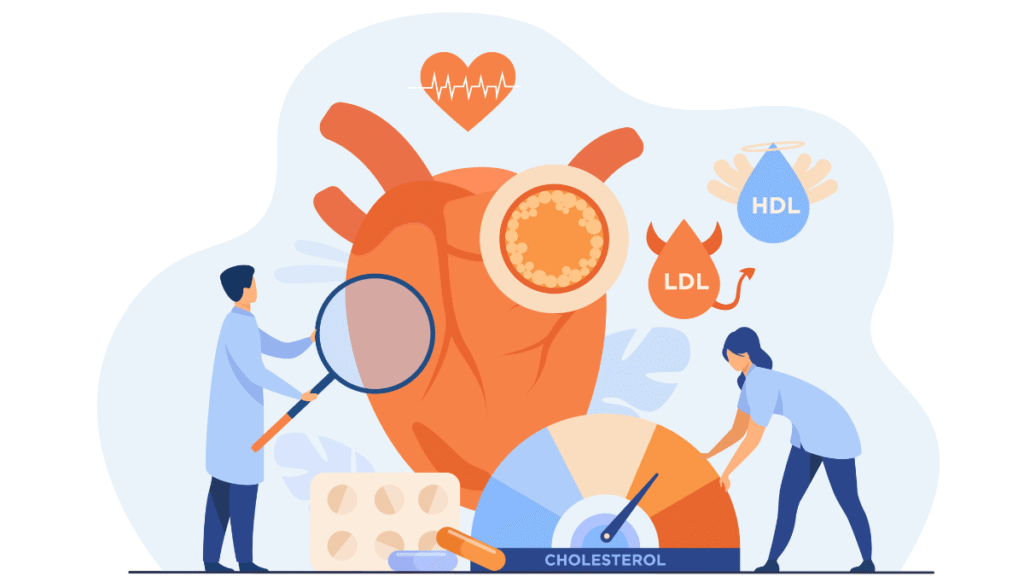
Cholesterol is often discussed in the context of heart health, but its impact on women is frequently misunderstood or overlooked. Cholesterol in females behaves differently compared to men due to hormonal changes, lifestyle factors, and unique biological processes. High cholesterol can silently damage health for years before symptoms appear, making awareness crucial.
In this comprehensive guide, we will explore what cholesterol is, why women are at risk, symptoms of high cholesterol in females, causes, diagnosis, and effective ways to manage and prevent cholesterol-related complications.
Understanding Cholesterol in Females
Cholesterol is a waxy, fat-like substance found in the blood. The body needs cholesterol to build healthy cells, produce hormones, and support digestion. However, excessive cholesterol—especially low-density lipoprotein (LDL)—can be harmful.
Types of Cholesterol in Females
- LDL (Low-Density Lipoprotein): Known as “bad cholesterol,” it can build up in artery walls.
- HDL (High-Density Lipoprotein): Known as “good cholesterol,” it helps remove excess cholesterol from the bloodstream.
- Triglycerides: A type of fat that increases the risk of heart disease when elevated.
Maintaining balanced cholesterol levels is particularly important for women because hormonal changes significantly influence lipid levels.
Why Cholesterol in Females Is a Growing Health Concern
Heart disease is one of the leading causes of death among women globally. Yet many women do not realize that high cholesterol is a major contributor.
Factors That Increase Cholesterol in Females
- Hormonal fluctuations
- Pregnancy
- Polycystic Ovary Syndrome (PCOS)
- Menopause
- Sedentary lifestyle
- Stress and poor diet
Unlike men, women may develop high cholesterol later in life, especially after menopause, when estrogen levels decline.
Hormonal Influence on Cholesterol in Females
Hormones play a vital role in regulating cholesterol levels.
Estrogen and Cholesterol
Estrogen helps increase HDL and reduce LDL levels. During reproductive years, this provides some cardiovascular protection.
Menopause and Cholesterol in Females
After menopause:
- LDL cholesterol increases
- HDL cholesterol decreases
- Risk of heart disease rises significantly
This makes regular cholesterol screening essential for women over 40.
Symptoms of High Cholesterol in Females
One of the biggest dangers of high cholesterol is that it often shows no early symptoms. However, as cholesterol builds up in the arteries, subtle signs may begin to appear.
Common Symptoms of High Cholesterol in Females
- Fatigue and low energy levels
- Shortness of breath
- Chest discomfort or tightness
- Dizziness
- Numbness in hands or feet
These symptoms may be mistaken for stress or aging, delaying diagnosis.
Hidden and Rare Symptoms of Cholesterol in Females
Some symptoms of cholesterol in females are less common but important to recognize.
Physical Signs Linked to Cholesterol in Females
- Xanthomas: Yellowish cholesterol deposits on eyelids, elbows, or knees
- Arcus senilis: Gray or white ring around the cornea
- Swelling in legs due to poor circulation
These signs usually indicate long-term unmanaged cholesterol.
Symptoms of Cholesterol in Females at Different Life Stages
Cholesterol affects women differently across various stages of life.
Cholesterol Symptoms in Young Women
- Irregular menstrual cycles
- Fatigue
- Weight gain
- Hormonal imbalance (especially in PCOS)
Symptoms of High Cholesterol in Females During Pregnancy
- Elevated blood pressure
- Increased fatigue
- Higher risk of gestational diabetes
Cholesterol Symptoms in Postmenopausal Females
- Increased belly fat
- Heart palpitations
- Joint pain
- Memory issues
Causes of High Cholesterol in Females
Understanding the causes helps in prevention and management.
Lifestyle-Related Causes
- High intake of saturated and trans fats
- Lack of physical activity
- Smoking
- Excessive alcohol consumption
Medical Conditions Linked to Cholesterol in Females
- Diabetes
- Hypothyroidism
- PCOS
- Kidney disease
- Liver disorders
Genetic Factors
Some women inherit conditions like familial hypercholesterolemia, which causes extremely high cholesterol regardless of lifestyle.
Risks Associated With High Cholesterol in Females
If left untreated, high cholesterol can lead to serious complications.
Health Risks of High Cholesterol in Females
- Coronary artery disease
- Heart attack
- Stroke
- Peripheral artery disease
- Reduced blood flow to vital organs
Women often experience atypical heart attack symptoms, making early detection even more critical.
Diagnosing Cholesterol in Females
Early diagnosis can prevent life-threatening complications.
Recommended Cholesterol Tests
- Total cholesterol
- LDL cholesterol
- HDL cholesterol
- Triglycerides
When Should Females Get Tested?
- Age 20 and above: every 4–6 years
- Women over 40 or with risk factors: annually
- Postmenopausal women: frequent monitoring advised
Blood tests are simple and provide vital insight into cardiovascular health.
Managing Cholesterol in Females Naturally
Lifestyle changes can significantly improve cholesterol levels.
Diet Tips for Reducing Cholesterol in Females
- Increase intake of fruits, vegetables, and whole grains
- Choose healthy fats like olive oil and nuts
- Avoid fried and processed foods
- Increase fiber-rich foods such as oats and legumes
Exercise and Cholesterol in Females
- At least 150 minutes of moderate exercise weekly
- Activities like walking, yoga, cycling, and swimming
- Strength training for metabolic health
Medical Treatment for High Cholesterol in Females
When lifestyle changes are not enough, medication may be necessary.
Common Medications Prescribed
- Statins
- Cholesterol absorption inhibitors
- PCSK9 inhibitors
Medication choices depend on age, pregnancy status, and overall health.
Important: Women who are pregnant or planning pregnancy should consult doctors before starting cholesterol medications.
Preventing High Cholesterol in Females
Prevention is always better than cure.
Practical Prevention Tips
- Maintain a healthy weight
- Manage stress through meditation or mindfulness
- Quit smoking
- Limit sugar and refined carbohydrates
- Get regular health checkups
Building heart-healthy habits early can protect women for life.
When to See a Doctor for Cholesterol in Females
Consult a healthcare provider if you experience:
- Persistent fatigue
- Chest pain
- Family history of high cholesterol
- Symptoms of cholesterol in females that worsen over time
Early medical guidance can prevent severe outcomes.
Conclusion: Taking Control of Cholesterol in Females
Cholesterol in females is a silent yet powerful health concern that deserves attention at every stage of life. From hormonal changes to lifestyle factors, women face unique risks that require proactive management. Understanding the symptoms of high cholesterol in females and recognizing early symptoms of cholesterol in females can lead to timely diagnosis and effective treatment.
By adopting healthier habits, staying informed, and scheduling regular screenings, women can take control of their cholesterol levels and protect their heart health for years to come.
Frequently Asked Questions (FAQs) on Cholesterol in Females
1. What is cholesterol in females and why is it important to manage?
Cholesterol in females refers to the level of fats (lipids) present in a woman’s bloodstream. While cholesterol is essential for hormone production and cell function, high levels—especially LDL cholesterol—can increase the risk of heart disease and stroke. Managing cholesterol is important because hormonal changes, pregnancy, and menopause can significantly impact cholesterol levels in women.
2. What are the most common symptoms of high cholesterol in females?
The symptoms of high cholesterol in females are often silent in the early stages. However, some women may experience fatigue, chest discomfort, shortness of breath, dizziness, or numbness in the hands and feet. Visible signs like yellowish deposits on the skin or eyelids may appear in advanced cases.
3. Are symptoms of cholesterol in females different from men?
Yes, symptoms of cholesterol in females can differ from men due to hormonal influences. Women may experience vague symptoms such as extreme tiredness, sleep disturbances, anxiety, or indigestion rather than classic chest pain, making cholesterol-related issues harder to detect early.
4. How does menopause affect cholesterol in females?
Menopause significantly impacts cholesterol in females because estrogen levels drop after menopause. This hormonal change often leads to increased LDL (bad cholesterol) and decreased HDL (good cholesterol), raising the risk of heart disease. Regular cholesterol screening becomes essential during this stage.
5. Can young women have high cholesterol?
Yes, young women can have high cholesterol due to poor diet, lack of exercise, stress, PCOS, or genetic factors. In younger women, symptoms of cholesterol in females may include weight gain, irregular periods, fatigue, and hormonal imbalances, even if heart-related symptoms are absent.
6. What causes high cholesterol in females?
High cholesterol in females can be caused by unhealthy eating habits, sedentary lifestyle, smoking, excessive alcohol intake, obesity, and stress. Medical conditions such as diabetes, hypothyroidism, PCOS, and genetic disorders also contribute to elevated cholesterol levels.
7. How often should females check their cholesterol levels?
Females should start cholesterol testing from the age of 20 and repeat it every 4–6 years if levels are normal. Women over 40, postmenopausal females, or those with risk factors should get tested annually to monitor cholesterol in females effectively.
8. Can high cholesterol in females be managed without medication?
Yes, mild to moderate cholesterol in females can often be managed through lifestyle changes such as eating a heart-healthy diet, exercising regularly, maintaining a healthy weight, and managing stress. However, medication may be required if lifestyle changes are not sufficient or if cholesterol levels are very high.
9. What foods help reduce cholesterol in females naturally?
Foods that help reduce cholesterol in females include oats, fruits, vegetables, legumes, nuts, seeds, fatty fish, and olive oil. These foods are rich in fiber and healthy fats that help lower LDL cholesterol and improve overall heart health.
10. When should a woman see a doctor for symptoms of cholesterol in females?
A woman should consult a doctor if she experiences persistent fatigue, chest pain, breathlessness, or visible signs like yellow patches on the skin. Women with a family history of heart disease or ongoing symptoms of high cholesterol in females should seek medical advice even if symptoms seem mild.