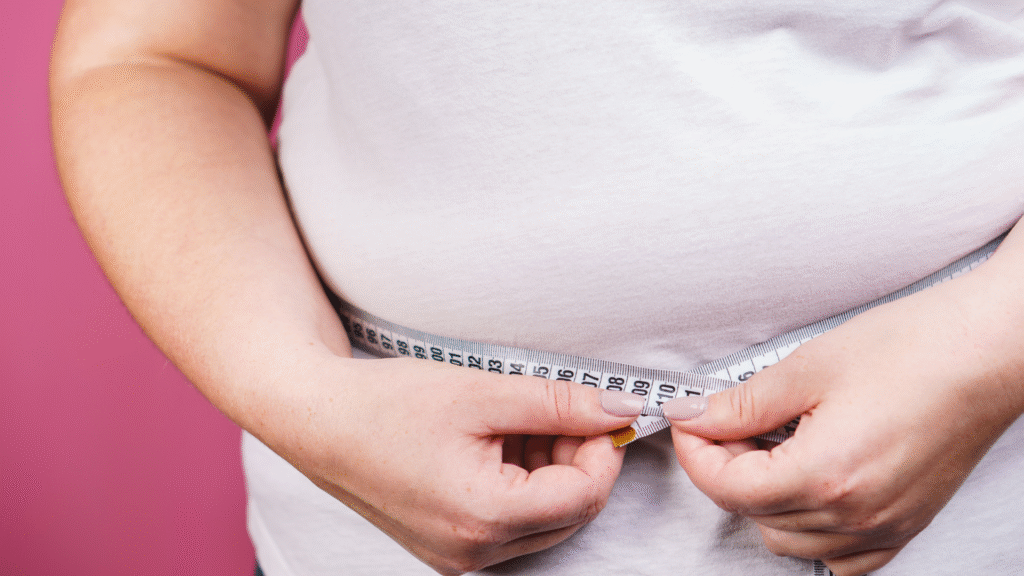
Let’s be honest—when you decide to lose weight, you don’t want to “wait and see results in six months.” You want change now. You want your clothes to fit better, your energy to skyrocket, and the scale to finally move in the right direction.
That’s where rapid weight loss comes in.
But here’s the real question:
Can you lose weight quickly without destroying your metabolism or health?
The answer is yes—if you do it the right way. This guide is based on real-world experience, science-backed strategies, and methods that actually work in real life—not just on paper.
Let’s break it down.
What Is Rapid Weight Loss (And What It Is NOT)?
Rapid weight loss refers to losing a noticeable amount of body weight in a relatively short time—typically 1–2 kg (2–4 lbs) per week—through strategic nutrition, lifestyle changes, and metabolic optimization.
Rapid weight loss is:
- Structured
- Intentional
- Nutrition-focused
- Time-bound
Rapid weight loss is NOT:
- Starving yourself
- Skipping meals endlessly
- Living on detox teas
- Obsessive cardio
The goal isn’t just to lose weight fast—it’s to lose fat, retain muscle, and keep the weight off.
Reasons for Rapid Weight Loss: Why People Want Fast Results
Before we talk about how, let’s talk about why. Understanding the reasons for rapid weight loss helps you stay motivated and intentional.
Common reasons for rapid weight loss include:
- A wedding, vacation, or major life event
- Medical advice to reduce weight quickly
- Plateau frustration after slow progress
- Confidence and mental reset
- Jumpstarting a long-term transformation
Ask yourself:
“If I don’t take action now, where will I be in 3 months?”
For many people, rapid weight loss becomes the spark that ignites lifelong discipline.
The Science Behind Rapid Weight Loss (Why It Works)
Rapid weight loss works because it creates a controlled calorie deficit, improves insulin sensitivity, and forces the body to burn stored fat for fuel.
Key mechanisms include:
- Lower insulin levels → more fat burning
- Higher protein intake → muscle preservation
- Reduced processed carbs → less water retention
- Stable blood sugar → fewer cravings
When done correctly, your metabolism doesn’t slow down—it adapts efficiently.
Rapid Weight Loss Diet: The Foundation of Fast Results
Let’s be very clear:
You cannot out-exercise a bad diet.
A well-designed rapid weight loss diet is the backbone of every successful transformation.
Principles of a Rapid Weight Loss Diet
- High protein, moderate fat, controlled carbs
- Whole, unprocessed foods
- Stable meal timing
- Zero liquid calories
- Nutrient density over calorie density
This isn’t about deprivation—it’s about precision.
Best Diet Plan for Rapid Weight Loss (That I’ve Seen Work Repeatedly)
After working with countless people and observing what works consistently, this is the best diet plan for rapid weight loss.
Morning (Fat-Burning Start)
- Warm water + lemon
- Black coffee or green tea (optional)
Why?
Improves metabolism and appetite control.
Breakfast (High Protein)
- Eggs with vegetables
- OR Greek yogurt with seeds
- OR protein smoothie with berries
Protein early in the day reduces cravings by up to 60%.
Lunch (Balanced & Satiating)
- Lean protein (chicken, fish, tofu)
- Large serving of fibrous vegetables
- Small portion of complex carbs (optional)
This meal fuels energy without fat storage.
Evening Snack (Optional)
- Handful of nuts
- Cottage cheese
- Protein shake
Dinner (Light but Filling)
- Protein + vegetables
- No refined carbs
This keeps insulin low overnight—prime fat-burning time.
Foods for Rapid Weight Loss: What to Eat More Of
Food choice matters more than calorie counting. These foods for rapid weight loss are nutrient-dense, filling, and metabolically powerful.
Best Foods for Rapid Weight Loss
- Eggs
- Chicken breast
- Fish (salmon, tuna)
- Leafy greens
- Broccoli, cauliflower
- Greek yogurt
- Berries
- Avocados
- Nuts and seeds
These foods:
Control hunger
Preserve muscle
Support hormones
Foods to Avoid During Rapid Weight Loss
If you want fast results, some foods must go—temporarily.
Avoid:
- Sugar and sweets
- White bread and pasta
- Fried foods
- Sugary drinks
- Alcohol
Ask yourself:
“Is this food helping or delaying my goal?”
Exercise Strategy for Rapid Weight Loss (Minimal but Effective)
Here’s a myth to bust:
You don’t need hours of cardio for rapid weight loss.
Best Exercise Approach
- Strength training 3–4x/week
- Daily walking (8,000–10,000 steps)
- Short HIIT sessions (optional)
Why this works:
- Builds muscle (higher metabolism)
- Burns fat even at rest
- Prevents “skinny fat” look
Lifestyle Habits That Accelerate Rapid Weight Loss
Your diet can be perfect—but without the right habits, progress slows.
Sleep
7–8 hours of sleep boosts fat loss hormones and reduces cravings.
Stress Management
High stress = high cortisol = stored fat.
Hydration
Drinking enough water can increase fat loss by up to 30%.
Common Mistakes That Kill Rapid Weight Loss
Even motivated people make these mistakes:
- Eating too little
- Skipping protein
- Overtraining
- Weighing daily and panicking
- Expecting perfection
Consistency beats intensity—every time.
Is Rapid Weight Loss Safe? (The Honest Answer)
Yes—when done intelligently.
Rapid weight loss becomes dangerous only when:
- Nutrition is poor
- Protein is too low
- Electrolytes are ignored
- Weight loss is extreme and prolonged
The key is structured rapid weight loss, not reckless dieting.
How Long Should You Follow a Rapid Weight Loss Diet?
The ideal timeline:
- 2–6 weeks for rapid phase
- Followed by a maintenance or transition phase
This prevents rebound weight gain and supports long-term success.
Final Thoughts: Rapid Weight Loss Is a Tool—Use It Wisely
Rapid weight loss is not a shortcut—it’s a strategy.
When used correctly, it:
- Builds momentum
- Boosts confidence
- Resets habits
- Proves what’s possible
So ask yourself:
What would change in your life if you committed for just 30 days?
Because once you see results, there’s no going back.
Frequently Asked Questions (FAQs) About Rapid Weight Loss
1. What is rapid weight loss and how fast can you lose weight safely?
Rapid weight loss refers to losing weight at a faster-than-average pace while maintaining proper nutrition and muscle mass. Safely, most people can lose 1–2 kg (2–4 lbs) per week using a structured rapid weight loss diet, adequate protein intake, and proper hydration. Weight loss beyond this range may increase the risk of muscle loss and fatigue if not supervised properly.
2. Is rapid weight loss healthy or does it damage metabolism?
Rapid weight loss is healthy when done correctly. Contrary to popular belief, it does not automatically damage your metabolism. A well-planned rapid weight loss diet that includes sufficient protein, strength training, and micronutrients can actually improve metabolic efficiency. Metabolic slowdown occurs mainly with extreme calorie restriction and poor food choices.
3. What are the most common reasons for rapid weight loss?
There are many valid reasons for rapid weight loss, including:
- Preparing for a wedding, vacation, or event
- Medical recommendations to reduce weight quickly
- Breaking a long weight-loss plateau
- Improving energy, confidence, and mobility
- Jumpstarting long-term fat loss motivation
Rapid weight loss often acts as a psychological and physical reset.
4. What is the best diet plan for rapid weight loss?
The best diet plan for rapid weight loss focuses on:
- High protein intake
- Whole, unprocessed foods
- Controlled carbohydrates
- Healthy fats
- Calorie awareness without starvation
Meals should prioritize lean protein, vegetables, and nutrient-dense foods to support fat loss while preserving muscle and energy levels.
5. Which foods are best for rapid weight loss?
The most effective foods for rapid weight loss are those that are filling, high in protein, and low in empty calories. These include:
- Eggs
- Chicken breast
- Fish (salmon, tuna)
- Leafy greens
- Broccoli and cauliflower
- Greek yogurt
- Berries
- Nuts and seeds
These foods reduce hunger, stabilize blood sugar, and support fat burning.
6. Can you lose weight rapidly without exercising?
Yes, rapid weight loss is possible without exercise, but results are better and more sustainable when physical activity is included. Diet creates the calorie deficit, while exercise—especially strength training—helps preserve muscle, improve metabolism, and enhance body composition. Walking alone can significantly accelerate fat loss.
7. Will rapid weight loss cause loose skin?
Loose skin depends on factors such as age, genetics, starting weight, and muscle mass. Rapid weight loss may increase the risk slightly, but maintaining adequate protein intake, staying hydrated, and performing strength training can significantly reduce loose skin. Gradual transitions after rapid fat loss also help the skin adapt.
8. How long should you follow a rapid weight loss diet?
A rapid weight loss diet should typically be followed for 2 to 6 weeks. After this phase, transitioning into a maintenance or moderate calorie plan is essential to avoid rebound weight gain and support long-term success. Rapid weight loss works best as a short-term, strategic phase—not a permanent approach.
9. What are the biggest mistakes people make during rapid weight loss?
Common mistakes include:
- Eating too few calories
- Skipping protein
- Overdoing cardio
- Ignoring sleep and stress
- Expecting perfection
Successful rapid weight loss requires consistency, structure, and patience, not extreme restriction.
10. How can you maintain weight after rapid weight loss?
To maintain results after rapid weight loss:
- Gradually increase calories
- Keep protein intake high
- Continue strength training
- Maintain healthy eating habits
- Avoid returning to processed foods
Maintenance is about smart transitions, not going back to old habits.