Have you ever wondered why your doctor suddenly wants to run more tests after you hit 60? It’s not paranoia—it’s prevention. And trust me, after watching countless patients catch life-threatening conditions early through routine screening, I can tell you that these medical tests aren’t just recommendations; they’re your secret weapon for staying vibrant well into your golden years.
Turning 60 isn’t a finish line—it’s a new chapter that demands smarter healthcare decisions. Let me walk you through the medical tests that could literally save your life.
Why Medical Tests Become Critical in Your 60s and Beyond
Your body at 60 isn’t the same machine it was at 40, and that’s perfectly normal. What changes is the risk landscape. Diseases that were statistical possibilities become statistical probabilities. But here’s the good news: most age-related conditions are remarkably manageable when caught early through appropriate medical tests.
Think of these screenings as your body’s early warning system. Would you ignore the check engine light in your car? Then why ignore the warning signs your body might be giving you—or worse, the silent threats it isn’t?
The medical tests recommended for your 60s and up are specifically designed to detect conditions before symptoms appear. This proactive approach transforms healthcare from reactive crisis management into preventive maintenance.
Essential Medical Tests for Heart Health
Blood Pressure Monitoring
Your heart works harder than you think—beating roughly 100,000 times daily. After 60, the risk of hypertension skyrockets, affecting nearly two-thirds of people in this age group. Regular blood pressure checks aren’t optional medical tests; they’re fundamental.
I recommend checking your blood pressure at least every doctor’s visit, or even more frequently if you have risk factors. High blood pressure is called the “silent killer” for good reason—it damages your arteries, heart, brain, and kidneys without announcing its presence.
Cholesterol Screening
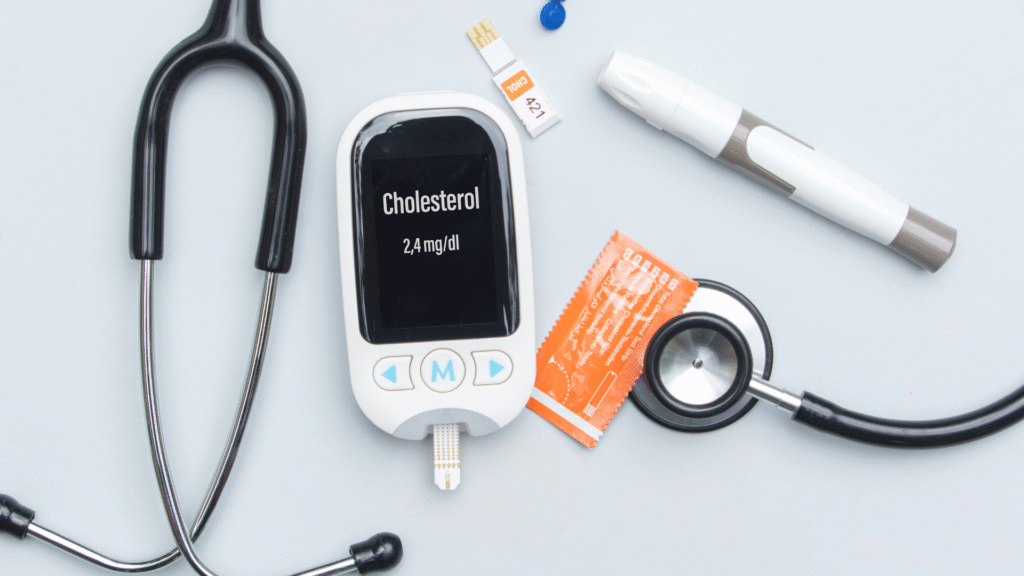
When was the last time you had your lipid panel checked? If you can’t remember, you’re overdue. Cholesterol screening is one of those medical tests that reveals what’s happening inside your arteries long before chest pain shows up.
Your doctor will measure total cholesterol, LDL (the “bad” kind), HDL (the “good” kind), and triglycerides. These numbers tell a story about your cardiovascular risk. For those over 60, I suggest lipid testing every year, or every three to five years if your numbers are consistently healthy.
Electrocardiogram (ECG)
An ECG captures your heart’s electrical activity in real time. This simple, painless test can detect irregular rhythms, previous heart attacks you might not have noticed, and other cardiac abnormalities. Many physicians include this among baseline medical tests for patients entering their 60s, especially if you have risk factors like diabetes, smoking history, or family history of heart disease.
Cancer Screening: Medical Tests That Save Lives
Colonoscopy
Let’s address the elephant in the room—yes, the prep is unpleasant. But colonoscopy remains the gold standard among medical tests for detecting colorectal cancer, the third most common cancer diagnosis. If you’re squeamish about discussing this, remember: colorectal cancer is highly preventable when caught through screening.
Most guidelines recommend colonoscopies every 10 years starting at age 45, but if you haven’t had one by 60, don’t delay. Your doctor might suggest more frequent screening based on your personal and family history. Alternative medical tests like stool-based tests are available, though they’re typically less comprehensive.
Mammography
For women in their 60s and beyond, mammograms remain crucial medical tests for breast cancer detection. The debate about screening frequency continues, but most experts agree on biennial mammograms for women aged 60-74, with individual decisions thereafter based on health status and life expectancy.
Here’s what many don’t realize: breast cancer risk actually increases with age. Finding it early through regular mammography can make the difference between a minor surgical procedure and extensive treatment.
Prostate Cancer Screening
Men, let’s talk about PSA (prostate-specific antigen) testing. This blood test, sometimes combined with digital rectal examination, helps detect prostate cancer early. The decision to undergo these medical tests should involve an honest conversation with your doctor about potential benefits and harms.
While prostate cancer screening remains somewhat controversial due to concerns about overtreatment, many men over 60 benefit from informed screening, particularly those with family history or African American heritage.
Lung Cancer Screening
If you’re a current or former smoker, low-dose CT scanning for lung cancer might be among the most important medical tests you’ll ever have. Annual screening is recommended for adults aged 50-80 with a 20 pack-year smoking history who currently smoke or quit within the past 15 years.
Lung cancer kills more people than any other cancer, yet it’s often caught too late. These medical tests change that equation dramatically.
Bone Health and Osteoporosis Screening
Ever wondered why your grandmother seemed to shrink with age? Likely osteoporosis—a silent disease that weakens bones until they fracture from minor falls or even daily activities.
DEXA scans (bone density tests) are essential medical tests for women starting at age 65 and men at age 70, or earlier if risk factors exist. These scans measure bone mineral density and predict fracture risk with remarkable accuracy.
Don’t wait for a broken hip to discover you have osteoporosis. This single medical test can prompt interventions—medications, dietary changes, exercise programs—that preserve your independence and quality of life.
Diabetes and Metabolic Screening
Blood Glucose Testing
Diabetes doesn’t always announce itself with obvious symptoms. That’s why blood glucose testing becomes increasingly important among medical tests for your 60s and up. Type 2 diabetes affects nearly 30% of Americans over 65, many unaware they have it.
Fasting blood glucose or hemoglobin A1C tests should be performed at least every three years, or annually if you’re overweight or have other risk factors. Catching prediabetes through these medical tests gives you the opportunity to reverse course through lifestyle changes.
Thyroid Function Tests
Your thyroid is your body’s metabolic thermostat. Thyroid disorders become more common with age, particularly among women. Symptoms like fatigue, weight changes, or mood shifts are often dismissed as “just getting older,” but they might signal thyroid dysfunction.
TSH (thyroid-stimulating hormone) testing is a simple blood test that should be part of your regular medical tests, especially if you’re experiencing unexplained symptoms.
Vision and Hearing: Medical Tests You Shouldn’t Skip
Comprehensive Eye Exams
When did you last have a dilated eye examination? These medical tests aren’t just about updating your glasses prescription—they screen for glaucoma, cataracts, macular degeneration, and diabetic retinopathy.
The American Academy of Ophthalmology recommends comprehensive eye exams every one to two years after age 65. These conditions can steal your vision gradually, but early detection through proper medical tests allows for interventions that preserve sight.
Hearing Tests
Hearing loss affects roughly one-third of adults aged 65-74. Yet many resist testing, associating hearing aids with “being old.” Here’s the reality: untreated hearing loss is linked to cognitive decline, depression, and social isolation.
Baseline hearing tests should be part of your medical tests in your 60s, with follow-up screenings as recommended by your audiologist.
Putting Your Medical Test Schedule Together
Creating a personalized screening schedule requires partnership with your healthcare provider. Your specific medical tests should reflect your individual risk factors, family history, lifestyle, and overall health status.
Here’s my recommendation: schedule an annual wellness visit dedicated entirely to prevention and screening. Bring a list of all medical tests you’ve had, discuss any new symptoms or concerns, and work with your doctor to create a comprehensive screening plan.
The Bottom Line on Medical Tests for Your 60s and Beyond
Aging well isn’t about luck—it’s about strategy. The right medical tests at the right times give you something priceless: options. Options for early treatment, lifestyle modifications, and informed decisions about your health.
Yes, medical tests take time. Yes, some are uncomfortable. But what’s the alternative? Discovering serious conditions only after symptoms appear, when treatment is more difficult, expensive, and less effective?
Your 60s and beyond can be some of the most fulfilling years of your life. These medical tests are simply tools to help ensure you’re healthy enough to enjoy them. Don’t wait for symptoms. Don’t assume you’re fine because you feel fine. Make prevention your priority, and those golden years will truly shine.
FAQs
1. What medical tests are recommended after the age of 60?
Medical tests recommended after 60 include blood pressure checks, cholesterol tests, blood sugar tests, bone density scans, cancer screenings, vision and hearing exams, and heart health assessments.
2. How often should seniors over 60 get health screenings?
Most seniors should undergo annual health checkups, while specific screenings like cholesterol, diabetes, and blood pressure tests may be recommended every 1–3 years depending on risk factors.
3. Which cancer screenings are important in your 60s and beyond?
Important cancer screenings after 60 include breast cancer screening (mammograms), colorectal cancer screening (colonoscopy), prostate cancer screening, cervical cancer screening, and lung cancer screening for high-risk individuals.
4. Are bone density tests necessary after 60?
Yes, bone density tests are essential after 60 to detect osteoporosis early, reduce fracture risk, and monitor bone health, especially for postmenopausal women and older adults.
5. Why are heart health tests important for people over 60?
Heart health tests help detect high blood pressure, high cholesterol, and cardiovascular disease early, reducing the risk of heart attack, stroke, and other age-related heart conditions.
6. Should seniors get tested for diabetes regularly?
Yes, regular blood sugar and HbA1c tests are recommended after 60 to detect diabetes or prediabetes early and prevent complications such as nerve damage and heart disease.
7. What vision and hearing tests should be done after 60?
Seniors should have regular eye exams to screen for cataracts, glaucoma, and macular degeneration, along with hearing tests to detect age-related hearing loss.
8. Are vaccinations part of essential medical tests after 60?
Yes, preventive healthcare after 60 includes vaccinations such as flu shots, pneumonia vaccines, shingles vaccines, and COVID-19 boosters to protect against serious infections.
9. Do men and women need different medical tests after 60?
While many screenings are common, women may need breast and bone health screenings, while men may require prostate cancer screening, based on personal health history and doctor recommendations.
10. How can regular medical tests improve quality of life after 60?
Regular medical tests help detect health issues early, manage chronic conditions, prevent complications, and support healthier, more active aging in your 60s and beyond.