Heavy bleeding in your forties is common, but it is not something to simply endure – and its most damaging consequence is usually invisible. Years of heavy periods drain iron stores slowly enough that women adapt to the fatigue and assume it is age, stress or work. By the time haemoglobin drops far enough to be flagged as anaemia, stores have often been empty for a long while.
Why Do Periods Get Heavier in Perimenopause?
In a normal cycle, ovulation produces progesterone, which stabilises the uterine lining and limits how thick it becomes. In perimenopause, cycles increasingly happen without ovulation. Oestrogen continues to build the lining but progesterone does not arrive to hold it in check, so the lining grows thicker and eventually sheds heavily and unpredictably.
That hormonal explanation covers most cases, but not all. Fibroids, adenomyosis, endometrial polyps, an underactive thyroid, an inherited bleeding tendency and certain medications can all cause the same picture, which is why heavy bleeding warrants assessment rather than assumption.
What Counts as Heavy?
Forget the old measurement in millilitres. The definition that matters clinically is bleeding that interferes with your physical, social or emotional quality of life. In practical terms:
- Soaking through a pad or tampon every hour or two
- Needing double protection, or a pad overnight and still leaking
- Passing clots larger than a rupee coin
- Bleeding for more than seven days
- Planning your clothes, travel or meetings around your period
- Getting up at night to change protection
Why Ferritin Matters More Than Haemoglobin
This is the single most useful thing in this article. Haemoglobin measures the iron circulating in your red blood cells right now. Ferritin measures your stored iron – the reserve. Stores empty first, and symptoms begin then, often a year or more before haemoglobin falls enough to be labelled anaemia.
| Ferritin | Interpretation |
|---|---|
| Below 15 ug/L | Iron deficient, regardless of haemoglobin |
| 15-30 ug/L | Depleted stores; symptoms are common in this range |
| 30-100 ug/L | Adequate for most women |
| Raised | Can reflect inflammation rather than good stores – interpret with CRP |
If you have heavy periods and unexplained fatigue, ask specifically for ferritin. A normal full blood count on its own does not rule out iron deficiency.
What Does Low Iron Actually Feel Like?
- Fatigue that sleep does not fix, and breathlessness on stairs
- Hair shedding, brittle nails and pale skin
- Restless legs at night
- Poor concentration and low mood
- Headaches and dizziness
- Cravings for ice, raw rice or mud – an odd but well-recognised sign
- Reduced exercise tolerance, and workouts that suddenly feel much harder
How Should You Replace Iron?
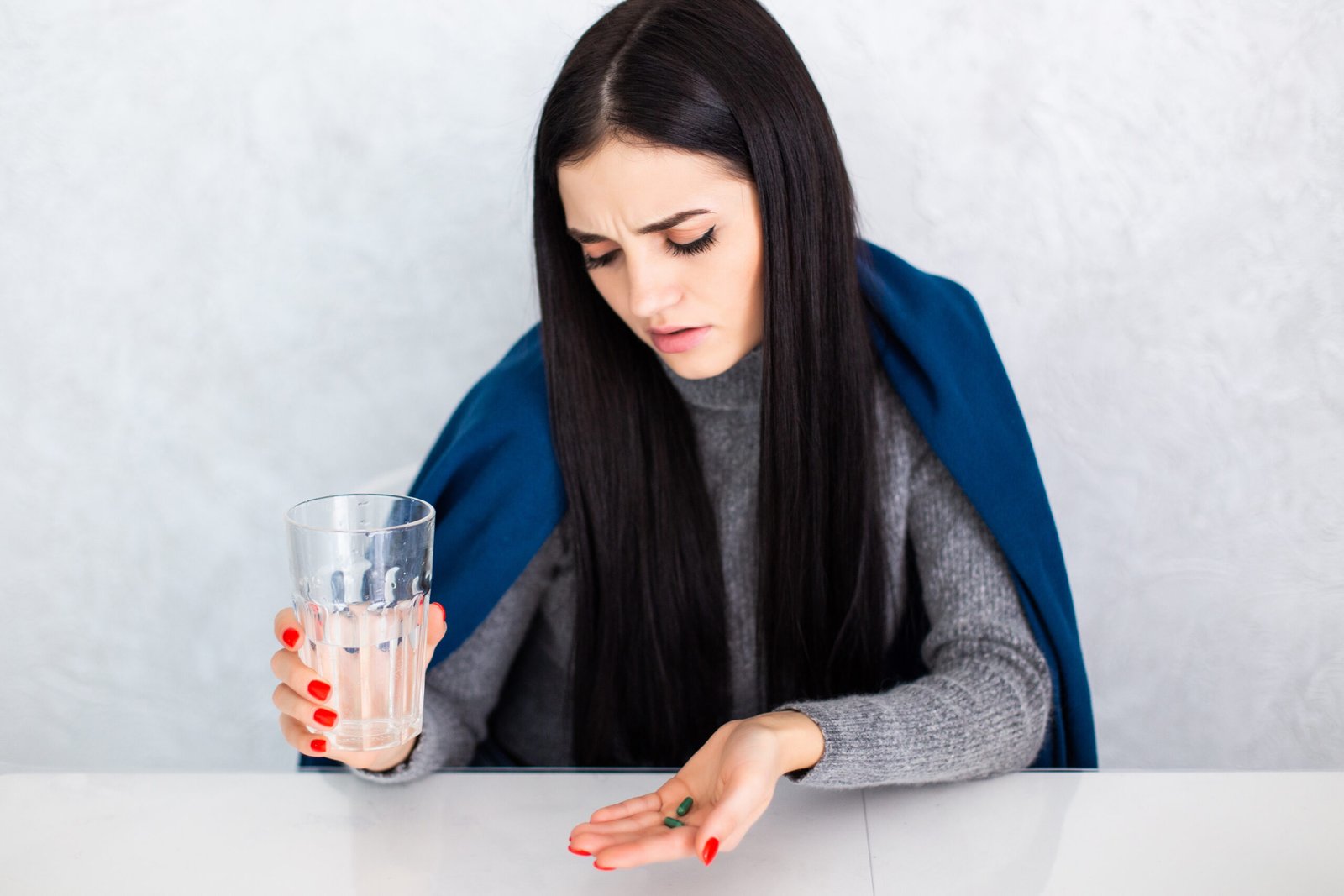
Most women take iron in a way that guarantees poor absorption. The mechanism is worth understanding: a dose of iron raises a hormone called hepcidin for around 24 hours, and hepcidin blocks further iron uptake. Taking iron twice daily means the second dose is largely wasted.
- Take it on alternate days, not daily. Alternate-day dosing produces better total absorption and far fewer side effects than daily dosing.
- Take it with vitamin C – a glass of orange juice or a squeeze of lemon – and on a relatively empty stomach if you can tolerate it.
- Keep tea, coffee, milk and calcium supplements at least an hour away. Tannins and calcium both block uptake substantially.
- Expect it to take three to six months to refill stores, and continue for around three months after ferritin normalises.
- Ask about alternatives if it upsets you. Different salts are tolerated differently, and intravenous iron is available when oral iron fails or losses are ongoing.
- Recheck ferritin rather than assuming it has worked.
Alongside supplementation, build iron into meals: dals, rajma, soy chunks, spinach, ragi, poha, sesame seeds and jaggery in modest amounts. Soaking, sprouting and fermenting reduce the phytates that block absorption, which is one reason idli and dhokla deliver more usable iron than the raw ingredients suggest.
How Is the Bleeding Itself Treated?
Treating the iron without addressing the loss is bailing out a boat without patching the hole. Options your doctor may discuss include tranexamic acid taken during the period, a hormonal intrauterine device which often reduces blood loss dramatically, cyclical progestogens, or investigation and treatment of an underlying fibroid or polyp.
When Should You See a Doctor?
- Bleeding between periods or after sex
- Any bleeding at all after twelve months without a period
- Periods heavy enough to need hourly changes, or clots with pain
- Symptoms of anaemia – palpitations, breathlessness, marked fatigue
- Cycles suddenly becoming much heavier or much closer together
- Bleeding while taking HRT that does not settle
Frequently Asked Questions
Are heavy periods just a normal part of perimenopause?
Heavier and more erratic periods are common, but heavy enough to disrupt your life or drain your iron is a treatable problem, not a phase to wait out.
Can I fix low iron through food alone?
If stores are genuinely depleted and you are still losing blood monthly, diet alone rarely keeps pace. Food maintains iron; supplements restore it.
Why do I feel worse on iron tablets?
Constipation and nausea are common on daily dosing. Alternate-day dosing, taking it with food, or switching preparation usually resolves it – discuss it rather than stopping.
Does a vegetarian diet make deficiency inevitable?
No, but it raises the requirement, because plant iron is absorbed less efficiently. Pairing with vitamin C and separating tea from meals closes most of the gap.
About the Author
Nidhi Kakar is a nutritionist and the founder of Art of Wellness. She specialises in women’s health through the midlife years, from the mid-30s to the mid-60s, and has guided hundreds of women through perimenopause, menopause, and post-menopause with personalised nutrition and lifestyle plans.
This article is for educational purposes and does not replace personalised medical advice. Speak to your doctor about symptoms, tests and treatment that apply to you.