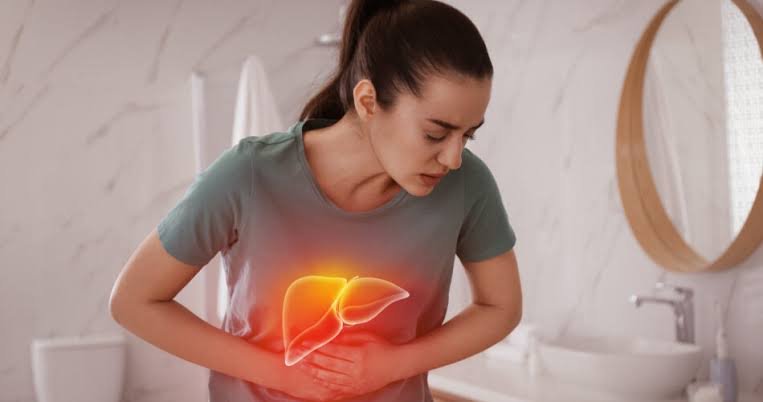
Fatty liver means fat has accumulated in liver cells to the point where it can be seen on a scan, and in India it is now one of the most common findings on a routine ultrasound. It usually causes no symptoms whatsoever, which is exactly why it gets ignored. It also happens to be one of the most reversible conditions in medicine, provided it is caught before scarring sets in.
What Is It Called Now?
The terminology changed recently. What was long known as non-alcoholic fatty liver disease, or NAFLD, has been renamed metabolic dysfunction-associated steatotic liver disease, or MASLD. The shift matters because the new name says what the condition actually is – a liver manifestation of metabolic dysfunction – rather than defining it by what it is not.
Why Is It So Common in Indian Women?
South Asians accumulate visceral and liver fat at lower body weights than other populations. This is why a woman with a perfectly normal BMI can have a fatty liver – so-called lean MASLD, which is disproportionately common in India and frequently dismissed because the patient does not look unwell.
Diet plays a substantial part. A carbohydrate-heavy pattern built on refined grains, high sugar and fructose intake, and low physical activity all drive fat into the liver. Add insulin resistance and the cycle reinforces itself.
What Changes After Menopause?
Before menopause, oestrogen is protective – it improves insulin sensitivity and directs fat storage towards the hips and thighs rather than the abdomen and liver. When oestrogen falls, that protection is lost. Fat redistributes centrally, insulin resistance increases, and the prevalence of fatty liver in women climbs to meet and then exceed that in men.
Women with polycystic ovary syndrome carry higher risk at every age, as do those with type 2 diabetes, high triglycerides, low HDL cholesterol, high blood pressure or a history of gestational diabetes.
How Is It Detected?
| Test | What it shows |
|---|---|
| Ultrasound | Detects fat in the liver; the usual first finding |
| ALT and AST | Often mildly raised, but frequently normal even with significant fat |
| FIB-4 score | Calculated from age, ALT, AST and platelets – screens for fibrosis risk |
| FibroScan / elastography | Measures liver stiffness; the practical way to assess scarring |
| Metabolic panel | HbA1c, lipids and blood pressure – the drivers behind the liver finding |
The important distinction is between fat alone, which is highly reversible, and fibrosis, which is scarring. Fibrosis stage is what predicts long-term outcome, which is why a normal ALT should not be taken as reassurance on its own.
Why Does It Matter If There Are No Symptoms?
Two reasons. A minority progress to inflammation, fibrosis and eventually cirrhosis. But the more common outcome is cardiovascular: the leading cause of death in people with fatty liver is heart disease, not liver failure. A fatty liver on a scan is, in effect, an early warning about your arteries.
What Actually Reverses It?
- Weight loss, if you carry excess weight. Losing 5 per cent of body weight reduces liver fat; 7 to 10 per cent can resolve inflammation. This is the single most effective intervention and the target is far more modest than most people assume.
- A Mediterranean-style pattern. The most consistently supported diet for liver fat: vegetables, pulses, whole grains, nuts, olive oil, fish. It works even without weight loss.
- Cut sugary drinks and fructose sharply. Fructose is metabolised almost entirely in the liver and is converted directly to fat. Soft drinks, packaged juices and sweets are the highest-yield things to remove.
- Replace refined grains. Move from maida and polished rice towards whole grains, millets and pulses at each meal.
- Exercise independently of weight. Around 150 minutes a week of moderate activity reduces liver fat even when the scale does not move. Adding resistance training twice weekly improves insulin sensitivity further.
- Coffee. Two to three cups a day is consistently associated with less fibrosis progression. One of the few genuinely liver-friendly habits.
- Minimise alcohol. Even where alcohol is not the primary cause, it adds insult to an already stressed liver.
What About Supplements?
Straightforwardly: no supplement has been shown to reverse fatty liver. Vitamin E has evidence in a specific subgroup of non-diabetic patients with confirmed steatohepatitis, and that is a decision for a hepatologist, not a shelf. Milk thistle, liver detox teas and “liver cleanse” products have no meaningful evidence. Medications developed specifically for the condition have begun to emerge, and if you have significant fibrosis it is worth asking a specialist what is currently available.
When Should You See a Doctor?
- Fatty liver reported on any scan – ask for fibrosis assessment, not just a repeat ultrasound
- Persistently raised liver enzymes
- Yellowing of the eyes or skin, dark urine, or pale stools
- Swelling of the abdomen or ankles
- Easy bruising, or vomiting blood
- A diagnosis of type 2 diabetes, which substantially raises fibrosis risk
Frequently Asked Questions
Can fatty liver be completely reversed?
Fat accumulation, yes – often within months of consistent change. Early fibrosis can improve. Established cirrhosis cannot be reversed, which is the argument for acting early.
I am not overweight. How do I have fatty liver?
Lean fatty liver is common in South Asians. Waist circumference, diet quality, activity and muscle mass matter more than BMI alone.
Do I need to give up rice and roti?
No. Reduce the portion, shift towards whole grains and millets, and always pair with protein, vegetables and dal to blunt the glucose response.
Is a liver detox or cleanse worth trying?
No. The liver detoxifies itself continuously. Commercial cleanses have no evidence behind them and delay the changes that would genuinely help.
About the Author
Nidhi Kakar is a nutritionist and the founder of Art of Wellness. She specialises in women’s health through the midlife years, from the mid-30s to the mid-60s, and has guided hundreds of women through perimenopause, menopause, and post-menopause with personalised nutrition and lifestyle plans.
This article is for educational purposes and does not replace personalised medical advice. Speak to your doctor about symptoms, tests and treatment that apply to you.