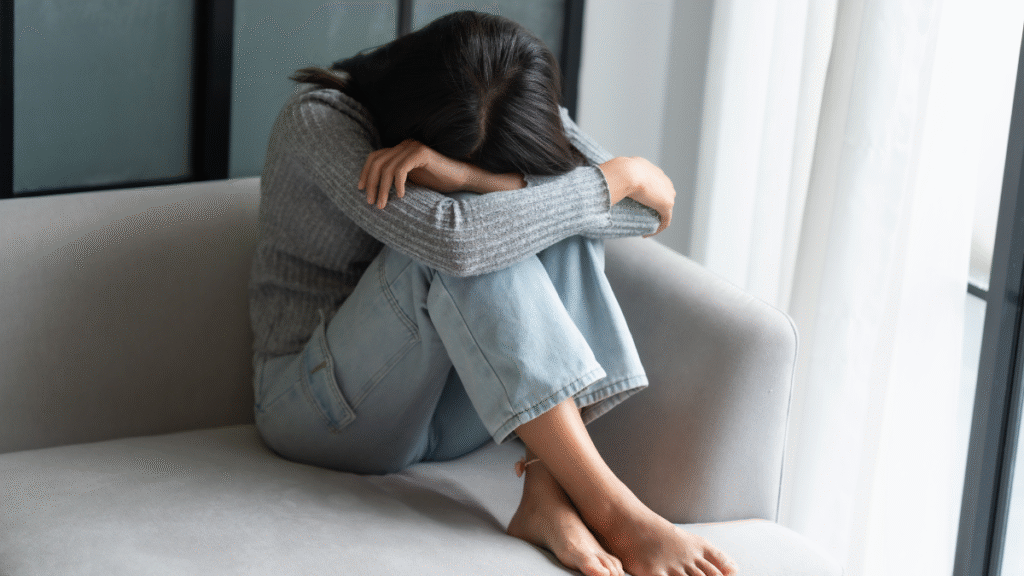
Depression in women is nearly twice as common as in men, affecting millions of women worldwide regardless of age, background, or socioeconomic status. Despite its prevalence, many women suffer in silence, unsure whether their experiences warrant concern or dismissing their symptoms as normal stress or hormonal fluctuations. Understanding the unique ways depression manifests in women, recognizing warning signs, and knowing when to seek professional help can be life-changing—and sometimes life-saving. This comprehensive guide explores everything you need to know about female depression, from identifying symptoms to understanding causes and finding effective support.
Understanding Depression in Women: Why It’s Different
Depression and women share a complex relationship influenced by biological, psychological, and social factors that make the female experience of depression distinct from that of men. Women face unique hormonal fluctuations throughout their lives—from menstruation and pregnancy to postpartum periods and menopause—each of which can influence mood and mental health significantly.
Research consistently shows that depression in women begins earlier in life, lasts longer, and is more likely to recur compared to depression in men. Women are also more likely to experience certain types of depression, including seasonal affective disorder and depression co-occurring with anxiety disorders. These differences aren’t just statistical curiosities; they have real implications for how depression should be recognized, understood, and treated in female patients.
The causes of depression in women are multifaceted and interconnected. Biological factors include hormonal changes, genetic predisposition, and differences in brain chemistry. Psychological factors encompass personality traits, coping styles, and responses to stress. Social and cultural factors include gender-based discrimination, economic inequality, higher rates of trauma and abuse, and the pressure of balancing multiple roles. Understanding this complex interplay helps explain why depression in females requires thoughtful, individualized approaches to treatment.
Recognizing the Symptoms of Depression in Females
What are signs of depression in a woman? The symptoms can be both obvious and subtle, and they often differ from how depression presents in men. While sadness is commonly associated with depression, many women experience symptoms that they don’t immediately recognize as related to mental health.
The emotional symptoms of depression in females include persistent feelings of sadness, emptiness, or hopelessness that last for weeks or months. Many women describe feeling numb or disconnected from their emotions, as though they’re going through the motions of life without actually feeling present. Excessive guilt, worthlessness, and self-blame are particularly common in female depression, often tied to perceived failures in relationships or caregiving roles.
Cognitive changes represent another category of depression signs in women. These include difficulty concentrating, making decisions, or remembering details. Many women report feeling mentally foggy or slowed down, struggling to complete tasks that previously felt routine. Recurrent thoughts of death or suicide, even without a specific plan, are serious symptoms that always warrant immediate attention.
Physical manifestations are often overlooked as symptoms of depression in females, yet they’re incredibly common. These include changes in appetite and weight (either increase or decrease), sleep disturbances such as insomnia or oversleeping, persistent fatigue despite adequate rest, and unexplained physical pain including headaches, digestive issues, or chronic aches. Many women initially seek medical treatment for these physical symptoms without realizing they stem from depression.
Behavioral changes that signal depression in women include withdrawing from social activities and relationships, losing interest in hobbies or activities that once brought pleasure, decreased productivity at work or home, and neglecting personal care or responsibilities. These changes often develop gradually, making them easy to dismiss as temporary phases rather than symptoms requiring attention.
What Does Depression Look Like in Women at Different Life Stages
Depression in women manifests differently across various life stages, influenced by hormonal changes, life circumstances, and developmental challenges unique to each period.
Depression in Adolescent Girls and Young Women
The teenage years and early twenties represent a critical period when rates of female depression surge dramatically. What does depression look like in women during these formative years? Adolescent depression often presents as irritability and anger rather than sadness, leading many parents and teachers to misinterpret symptoms as typical teenage moodiness or rebellion.
Young women with depression may show dramatic changes in academic performance, social withdrawal from peer groups, increased conflict with family members, or engagement in risky behaviors. Body image concerns and eating disorders frequently co-occur with depression in females during this stage. The causes of depression in women in this age group often include bullying, academic pressure, social media comparisons, early trauma, and the biological changes of puberty that affect brain chemistry and hormone levels.
Depression During Reproductive Years
The reproductive years bring unique vulnerabilities for depression in women, particularly related to menstruation, pregnancy, and postpartum periods. Premenstrual dysphoric disorder (PMDD) represents a severe form of depression tied to the menstrual cycle, with symptoms appearing in the week or two before menstruation and resolving shortly after.
Perinatal depression—occurring during pregnancy or within the first year after childbirth—affects up to one in seven women. The symptoms of depression in females during this period include overwhelming sadness, severe anxiety, difficulty bonding with the baby, intrusive frightening thoughts, and feelings of inadequacy as a mother. Many women hesitate to report these symptoms due to shame or fear of judgment, yet perinatal depression is a medical condition requiring treatment, not a character flaw or sign of weakness.
Infertility and pregnancy loss also significantly increase risk for depression in women, as do hormonal treatments for fertility. The emotional toll of these experiences, combined with hormonal fluctuations and often inadequate social support, creates a perfect storm for depressive episodes.
Depression During Perimenopause and Menopause
The transition to menopause brings another vulnerable period for depression in females. Fluctuating and declining estrogen levels affect neurotransmitters that regulate mood, making women more susceptible to depressive episodes even if they’ve never experienced depression before.
What are signs of depression in a woman during this life stage? Beyond typical menopausal symptoms like hot flashes and sleep disruption, depression signs in women during perimenopause and menopause include increased irritability, loss of interest in activities, persistent anxiety, difficulty concentrating, and feelings of being overwhelmed by previously manageable responsibilities. These symptoms are often dismissed as “just menopause,” leading many women to suffer without proper treatment.
Symptoms of Severe Depression in Females: When Depression Becomes Critical
While all depression deserves attention and treatment, symptoms of severe depression in females require immediate intervention. Severe or clinical depression significantly impairs daily functioning and can become life-threatening without proper care.
Symptoms of severe depression in females include complete inability to function in daily activities such as getting out of bed, maintaining personal hygiene, or caring for oneself or dependents. Severe episodes often involve psychotic features such as hallucinations or delusions, typically with themes of guilt, worthlessness, or deserved punishment.
Suicidal thoughts become more concrete and planned in severe depression, moving beyond passive wishes to die toward active consideration of methods and plans. Women are more likely than men to attempt suicide, though men have higher completion rates. Any suicidal ideation should be taken seriously, but the presence of a specific plan or steps toward acting on thoughts requires immediate emergency intervention.
Complete emotional numbness or inability to feel anything, even in response to significant events, signals severe depression. This profound disconnection differs from ordinary sadness and indicates that depression has disrupted normal emotional processing. Additionally, severe depression signs in women include complete social isolation, inability to maintain employment or education, and neglect of basic needs like eating or taking necessary medications.
The Hidden Faces: How Depression in Women Often Goes Unrecognized
Depression in women frequently goes undiagnosed because it doesn’t always look like the stereotypical image of someone who can’t get out of bed or is visibly crying. Many women develop highly functional depression, where they continue meeting responsibilities while suffering internally.
High-functioning depression in females might look like a woman who maintains her job, keeps her house clean, and shows up for family obligations while feeling empty, exhausted, and hopeless inside. She may smile in public while crying alone at night, leading others to never suspect she’s struggling. This masking of symptoms of depression in females is often more pronounced in women due to social expectations that they maintain composure and care for others regardless of their own wellbeing.
Irritability and anger are frequently overlooked as depression signs in women because we associate depression primarily with sadness. However, many women with depression experience predominantly irritable mood—feeling short-tempered, easily frustrated, or constantly on edge. This presentation is particularly common in female depression during perimenopause but can occur at any age.
Physical complaints without clear medical cause often represent masked depression in women. A woman might see multiple doctors for chronic pain, digestive issues, or fatigue, receiving no definitive diagnosis because the underlying cause is actually depression. This somatization of depression and women is well-documented but frequently missed in medical settings.
Exploring the Causes of Depression in Women
Understanding the causes of depression in women helps contextualize symptoms and reduces self-blame that often accompanies depression. Depression rarely has a single cause; rather, it typically results from multiple interacting factors.
Biological and Hormonal Factors
Hormonal fluctuations represent a significant biological factor in depression in women. Estrogen and progesterone influence serotonin, dopamine, and other neurotransmitters that regulate mood. The dramatic hormonal shifts during menstrual cycles, pregnancy, postpartum, and menopause create windows of vulnerability for depressive episodes.
Genetic predisposition plays a role, with depression in females being more likely in those with family history of mood disorders. Brain chemistry differences, including imbalances in neurotransmitters and differences in brain structure and function, contribute to vulnerability. Thyroid problems, which are more common in women, can also trigger or exacerbate depression.
Psychological and Personality Factors
Certain thinking patterns increase risk for depression and women, including rumination (repeatedly focusing on negative thoughts), perfectionism, difficulty with emotion regulation, and tendency toward negative self-talk. These patterns often develop early in life and become entrenched over time.
Past trauma significantly increases risk for female depression. Women experience higher rates of sexual assault, domestic violence, and childhood abuse compared to men, and these traumatic experiences substantially elevate depression risk throughout life. The impact of trauma on depression in women cannot be overstated.
Social and Environmental Causes
Gender-based discrimination and inequality contribute to higher rates of depression in women. Women face wage gaps, limited advancement opportunities, disproportionate household and caregiving responsibilities, and persistent objectification and judgment based on appearance. These chronic stressors accumulate and increase vulnerability to depression.
The burden of multiple roles creates unique stress for many women, who often serve as primary caregivers for children and aging parents while managing careers and households. This role strain, particularly when combined with inadequate support, represents a significant cause of depression in women in contemporary society.
Poverty and economic instability disproportionately affect women, particularly single mothers and elderly women. Financial stress and insecurity create chronic anxiety and increase risk for depression in females across all age groups.
Social isolation and lack of supportive relationships also contribute to depression and women. While women generally have stronger social networks than men, those who lack close, supportive relationships face significantly higher depression risk.
Warning Signs That Depression in Women Requires Immediate Attention
Certain symptoms of depression in females signal that professional help isn’t just recommended—it’s urgently needed. Recognizing these warning signs can literally save lives.
Any suicidal thoughts, statements, or behaviors require immediate intervention. This includes talking about death, researching suicide methods, giving away possessions, saying goodbye to loved ones, or expressing feelings of being a burden to others. If you or someone you know experiences these symptoms, contact emergency services, go to an emergency room, or call the National Suicide Prevention Lifeline at 988.
Psychotic symptoms such as hearing voices, seeing things that aren’t there, or holding false beliefs (delusions) indicate severe depression requiring immediate psychiatric care. These symptoms suggest that depression has reached a dangerous level of severity.
Complete inability to care for oneself or dependents represents a mental health crisis. If depression prevents a woman from eating, maintaining hygiene, taking necessary medications, or caring for children, immediate intervention is needed to ensure safety.
Substance abuse that develops or worsens alongside depression signs in women requires urgent attention. Using alcohol or drugs to cope with depression symptoms increases risk for addiction, worsens depression long-term, and significantly elevates suicide risk.
Rapid deterioration in functioning over days or weeks suggests depression is becoming critical. If someone who was managing daily activities suddenly cannot do so, this represents a red flag requiring immediate professional evaluation.
When and How to Seek Help for Depression in Women
Many women delay seeking help for depression, telling themselves they should be stronger, that others have it worse, or that their symptoms will improve on their own. Understanding when and how to seek help is crucial for recovery.
When to Reach Out to a Professional
You don’t need to be in crisis to deserve help. If symptoms of depression in females persist for more than two weeks, interfere with daily functioning, or cause significant distress, it’s time to seek professional support. You don’t need to wait until depression becomes severe to justify getting help.
If you’ve tried self-help strategies like exercise, improved sleep hygiene, social connection, and stress management without significant improvement, professional treatment is the next appropriate step. Depression in women often requires more than lifestyle changes alone, particularly in moderate to severe cases.
When depression impacts your relationships, work performance, parenting, or physical health, these represent clear indicators that professional help would be beneficial. Depression ripples through every area of life, and early intervention prevents further deterioration.
Finding the Right Support for Female Depression
Primary care physicians can serve as a starting point for addressing depression in females. They can conduct initial screenings, rule out medical conditions that might cause depressive symptoms, and provide referrals to mental health specialists. Some primary care doctors also prescribe antidepressants and provide basic counseling.
Mental health specialists including psychologists, psychiatrists, licensed clinical social workers, and counselors offer more specialized depression treatment. Psychologists and counselors provide therapy, while psychiatrists can prescribe medications in addition to therapy. Many women benefit from combined treatment involving both therapy and medication.
Therapy approaches particularly effective for depression in women include cognitive-behavioral therapy (CBT), which addresses thought patterns and behaviors maintaining depression; interpersonal therapy (IPT), which focuses on relationship patterns and life transitions; and trauma-focused therapies like EMDR for women whose depression stems from past traumatic experiences.
Support groups specifically for women dealing with depression provide community, validation, and practical coping strategies. Whether focused on general female depression, postpartum depression, or depression during specific life stages, these groups offer unique benefits that complement individual therapy.
Treatment Options That Work for Depression in Women
Effective treatments for depression in females typically involve a combination of approaches tailored to individual needs, symptoms severity, and personal preferences.
Psychotherapy for Female Depression
Talk therapy remains one of the most effective treatments for depression and women. Different therapeutic approaches offer various benefits, and finding a therapist you connect with matters as much as the specific therapeutic modality.
Cognitive-behavioral therapy helps women identify and change negative thought patterns and behaviors that contribute to depression. This structured, goal-oriented approach typically shows results within 12-20 sessions and provides tools that continue benefiting women long after therapy ends.
Interpersonal therapy focuses on relationship patterns, life transitions, and communication skills, recognizing that depression in women often involves interpersonal difficulties. This approach is particularly effective for depression triggered by relationship problems, grief, or major life changes.
Psychodynamic therapy explores how past experiences and unconscious patterns influence current depression. This deeper, insight-oriented approach suits women interested in understanding root causes and making fundamental changes in how they relate to themselves and others.
Medication for Depression in Females
Antidepressant medications help correct chemical imbalances contributing to depression in women. Several classes of antidepressants exist, including SSRIs (selective serotonin reuptake inhibitors), SNRIs (serotonin-norepinephrine reuptake inhibitors), and others, each working slightly differently.
Finding the right medication and dosage often requires patience and adjustment. Most antidepressants take 4-6 weeks to show full effects, and some women try several medications before finding one that works well with manageable side effects. Working closely with a prescribing doctor throughout this process is essential.
Concerns about medication are common, but modern antidepressants are generally well-tolerated and not addictive. For many women with moderate to severe depression, medication combined with therapy provides the most effective treatment, working faster and more comprehensively than either approach alone.
Lifestyle and Alternative Approaches
While not substitutes for professional treatment in moderate to severe cases, certain lifestyle practices support recovery from depression in women and enhance the effectiveness of therapy and medication.
Regular physical activity has been shown to be as effective as medication for mild to moderate depression. Exercise releases endorphins, reduces stress hormones, improves sleep, and provides a sense of accomplishment—all beneficial for symptoms of depression in females.
Sleep hygiene improvements help address the sleep disturbances common in female depression. Consistent sleep schedules, avoiding screens before bed, creating a restful bedroom environment, and limiting caffeine and alcohol support better sleep quality.
Nutritional support including adequate protein, omega-3 fatty acids, B vitamins, and minimizing processed foods and excessive sugar helps stabilize mood and energy. Some women benefit from working with nutritionists who understand the connection between diet and mental health.
Mindfulness practices, meditation, and yoga help women develop different relationships with difficult thoughts and emotions, reducing rumination and increasing present-moment awareness. These practices complement other treatments for depression in women.
Supporting a Woman Experiencing Depression
If someone you care about shows signs of depression in a woman, your support can make a significant difference in her willingness to seek help and her recovery process.
What to Say and Do
Express your concern directly but compassionately: “I’ve noticed you seem different lately, and I’m worried about you. How are you really doing?” Avoid minimizing her experience with statements like “just think positive” or “others have it worse.”
Listen without trying to fix or give advice unless asked. Sometimes women with depression need to be heard and validated more than they need solutions. Reflecting back what you hear—”It sounds like you’re feeling really overwhelmed”—shows you’re truly listening.
Offer specific, concrete help rather than vague offers like “let me know if you need anything.” Better options include: “I’m going to the grocery store—can I pick things up for you?” or “I’d like to watch the kids Saturday so you can rest or have time for yourself.”
Gently encourage professional help if symptoms persist or worsen. Offer to help find providers, make appointments, or accompany her to the first appointment if that would help. Respect her autonomy while being persistent in your concern.
What to Avoid
Don’t dismiss or minimize symptoms of depression in females with statements like “everyone gets sad sometimes” or “you just need to get out more.” These statements, though often well-intentioned, make women feel misunderstood and less likely to open up.
Avoid taking her symptoms personally. Depression can make women withdraw, become irritable, or seem uninterested in relationships. Remember these are symptoms of illness, not reflections of her feelings about you.
Don’t pressure her to “snap out of it” or suggest that depression reflects personal weakness or lack of effort. Depression is a medical condition, not a choice or character flaw.
Never ignore statements about suicide or self-harm, even if you think she’s “just saying it for attention.” All such statements should be taken seriously and addressed immediately.
Moving Forward: Hope and Recovery from Depression in Women
Depression in women is a serious condition, but it’s also highly treatable. With appropriate support and treatment, the vast majority of women with depression experience significant improvement and many achieve full recovery.
Recovery isn’t always linear—setbacks and difficult days occur even during treatment. This is normal and doesn’t mean treatment isn’t working or that recovery is impossible. Patience with the process and yourself is essential.
Building a support system, whether through therapy, support groups, trusted friends and family, or a combination of these, provides crucial foundation for recovery from female depression. You don’t have to navigate this journey alone, and reaching out for support demonstrates strength, not weakness.
If you recognize symptoms of depression in females in yourself, know that seeking help is a courageous act of self-care. You deserve support, treatment, and relief from suffering. Depression may feel overwhelming and permanent in this moment, but with proper treatment, healing is possible. Your story doesn’t end here—recovery and renewed joy in living are within reach when you take that first step toward getting the help you need and deserve.