If you’re a woman and you’ve ever heard these words while experiencing chest discomfort, fatigue, or breathlessness — this article is for you.
Heart disease is not just a “man’s disease.” In fact, it remains the leading cause of death among women worldwide, yet its warning signs are often misunderstood, minimized, or misdiagnosed. The truth? Heart disease symptoms in women often look very different from what we’ve been taught to expect.
And that difference can be deadly.
This guide will walk you through what doctors sometimes miss, why it happens, and most importantly — how to recognize the signs before it’s too late.
Why Heart Disease in Women Is Frequently Overlooked
For decades, cardiovascular research focused primarily on men. The “classic” heart attack image — crushing chest pain radiating down the left arm — was based largely on male symptoms. Women? We were expected to fit that mold.
But we don’t.
Women often experience subtler, atypical, and sometimes confusing cardiovascular symptoms in women that don’t scream “heart attack.” They whisper.
And whispers are easy to ignore.
Hormonal changes, especially around perimenopause and menopause, also complicate the picture. Estrogen plays a protective role in cardiovascular health. As it declines, risk increases — yet many symptoms are blamed on aging, stress, or hormonal shifts instead of the heart.
So let’s get very clear about what to watch for.
Heart Disease Symptoms in Women
When we talk about heart disease symptoms in women, we are not talking about just one dramatic event. We’re talking about patterns — subtle shifts in energy, breathing, digestion, and discomfort.
Here’s what you need to know.
1. Unusual Fatigue
Not “I stayed up too late” tired.
Not “busy mom” tired.
We’re talking about bone-deep exhaustion that feels disproportionate to your activity level.
Many women report extreme fatigue weeks before a cardiac event. It can feel like your body is slowing down for no obvious reason.
Ask yourself:
- Are everyday tasks suddenly overwhelming?
- Do you feel drained even after sleeping?
Don’t brush it off.
2. Shortness of Breath
You’re climbing stairs and suddenly feel winded — but your fitness level hasn’t changed.
Unexplained breathlessness is one of the most common yet overlooked cardiovascular symptoms in women. It may occur with or without chest discomfort.
If breathing feels harder than usual, your heart may be struggling to pump efficiently.
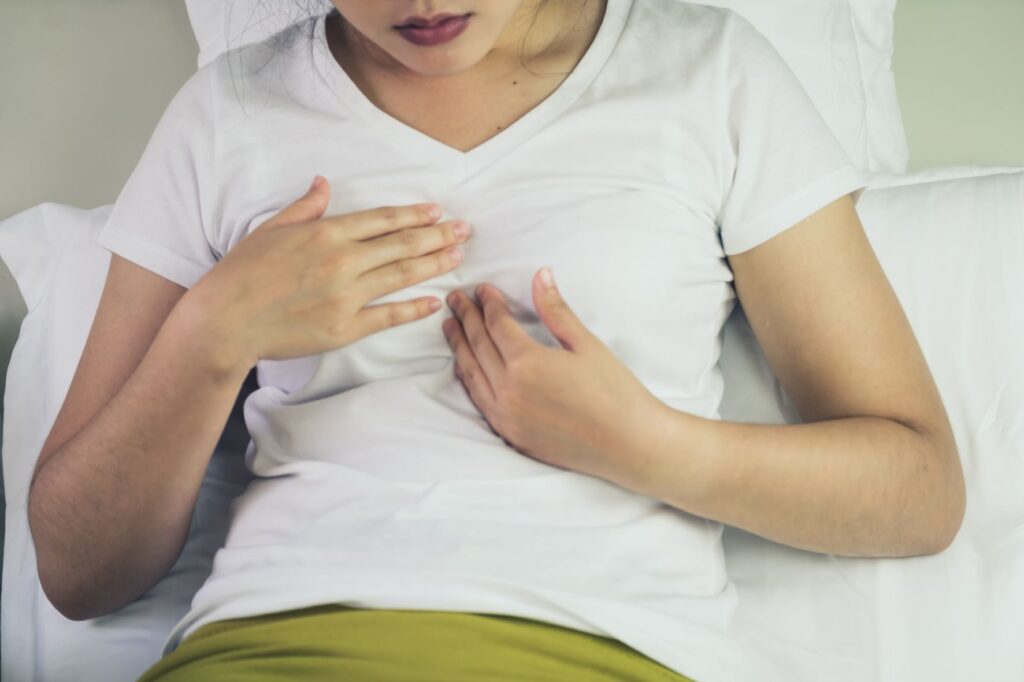
3. Chest Pain in Women
Yes, chest pain still matters. But chest pain in women can be very different from the dramatic, crushing pain portrayed in movies.
Women may experience:
- Pressure or tightness
- Burning sensation
- Fullness
- Mild squeezing
- Pain that comes and goes
Sometimes it’s mistaken for acid reflux or muscle strain.
Here’s the critical point:
If chest discomfort feels new, unusual, or persistent — get evaluated. Do not self-diagnose.
4. Pain in Unexpected Areas
Heart pain doesn’t always stay in the chest.
Women may experience discomfort in:
- Jaw
- Neck
- Upper back
- Shoulders
- Between the shoulder blades
- Upper abdomen
Upper back pain in particular is frequently misdiagnosed as posture-related or muscular.
Your heart doesn’t always send obvious signals — sometimes it sends confusing ones.
Early Signs of Heart Attack in Women
The early signs of heart attack in women are often subtle and gradual. Many women report symptoms appearing days or even weeks before the actual event.
Here are warning signs you should never ignore:
Nausea or Indigestion
Feeling sick to your stomach without a clear reason?
Experiencing persistent indigestion that doesn’t respond to usual remedies?
These can be early cardiac warning signs — especially if combined with fatigue or discomfort.
Cold Sweats
Sudden sweating not related to temperature or activity can signal heart distress. It may feel like a “flu-like” sweat.
Lightheadedness or Dizziness
Feeling faint or unsteady without explanation can indicate reduced blood flow.
Sudden Anxiety or a Sense of Doom
Many women describe an unexplained sense that “something isn’t right.” That intuition matters. The body often signals distress before the mind catches up.
Trust your instincts.
Silent Heart Attack Symptoms Female Patients Experience
Here’s something even more alarming: women are more likely than men to experience a silent heart attack.
What are silent heart attack symptoms female patients may report?
Sometimes — nothing dramatic.
A silent heart attack may present as:
- Mild fatigue
- Slight chest pressure
- Temporary shortness of breath
- Flu-like symptoms
- Back discomfort
- Sleep disturbances
Because symptoms are mild, women often delay seeking care. Later, routine tests reveal heart damage that already occurred.
That’s why awareness is critical.
You don’t need to collapse dramatically for your heart to be in trouble.
Heart Disease Risk Factors for Women
Understanding heart disease risk factors for women is just as important as recognizing symptoms.
Some risks are shared with men:
- High blood pressure
- High cholesterol
- Smoking
- Obesity
- Diabetes
But women also face unique risks.
1. Hormonal Changes
Menopause significantly increases cardiovascular risk. Lower estrogen levels impact blood vessel function and cholesterol balance.
2. Pregnancy-Related Conditions
Women who experienced:
- Preeclampsia
- Gestational diabetes
- Pregnancy-induced hypertension
have higher long-term heart disease risk.
3. Autoimmune Disorders
Conditions like lupus and rheumatoid arthritis disproportionately affect women and increase cardiovascular risk.
4. Mental Health and Stress
Chronic stress, anxiety, and depression affect women at higher rates and are strongly linked to heart disease.
5. Diabetes
Diabetes increases heart disease risk more dramatically in women than in men.
If you’re over 40, perimenopausal, or postmenopausal — your cardiovascular health deserves proactive attention.
Why Chest Pain in Women Is Often Misdiagnosed
One of the biggest issues in women’s cardiac care? Symptom dismissal.
Studies show women are more likely to:
- Be told symptoms are anxiety
- Be discharged without cardiac testing
- Experience delays in treatment
Why?
Because chest pain in women often doesn’t fit the traditional male-based model. When symptoms are atypical, clinicians may initially look for non-cardiac explanations.
This is not about blame — it’s about awareness.
When you seek care:
- Be specific about symptoms
- Mention family history
- State clearly if symptoms feel new or unusual
- Ask directly: “Could this be cardiac?”
Advocating for yourself can be life-saving.
Cardiovascular Symptoms in Women After 40
After 40, risk rises. After menopause, it rises more.
Common cardiovascular symptoms in women in midlife include:
- Decreased exercise tolerance
- Heart palpitations
- Unexplained fatigue
- Sleep disturbances
- Fluid retention
- Increased blood pressure
These are often dismissed as “just aging.”
But aging should not mean accepting declining heart health without evaluation.
Prevention is power.
What You Should Do If You Notice Symptoms
If you experience possible heart attack symptoms:
- Call emergency services immediately.
- Do not drive yourself.
- Do not wait for symptoms to worsen.
For ongoing concerns:
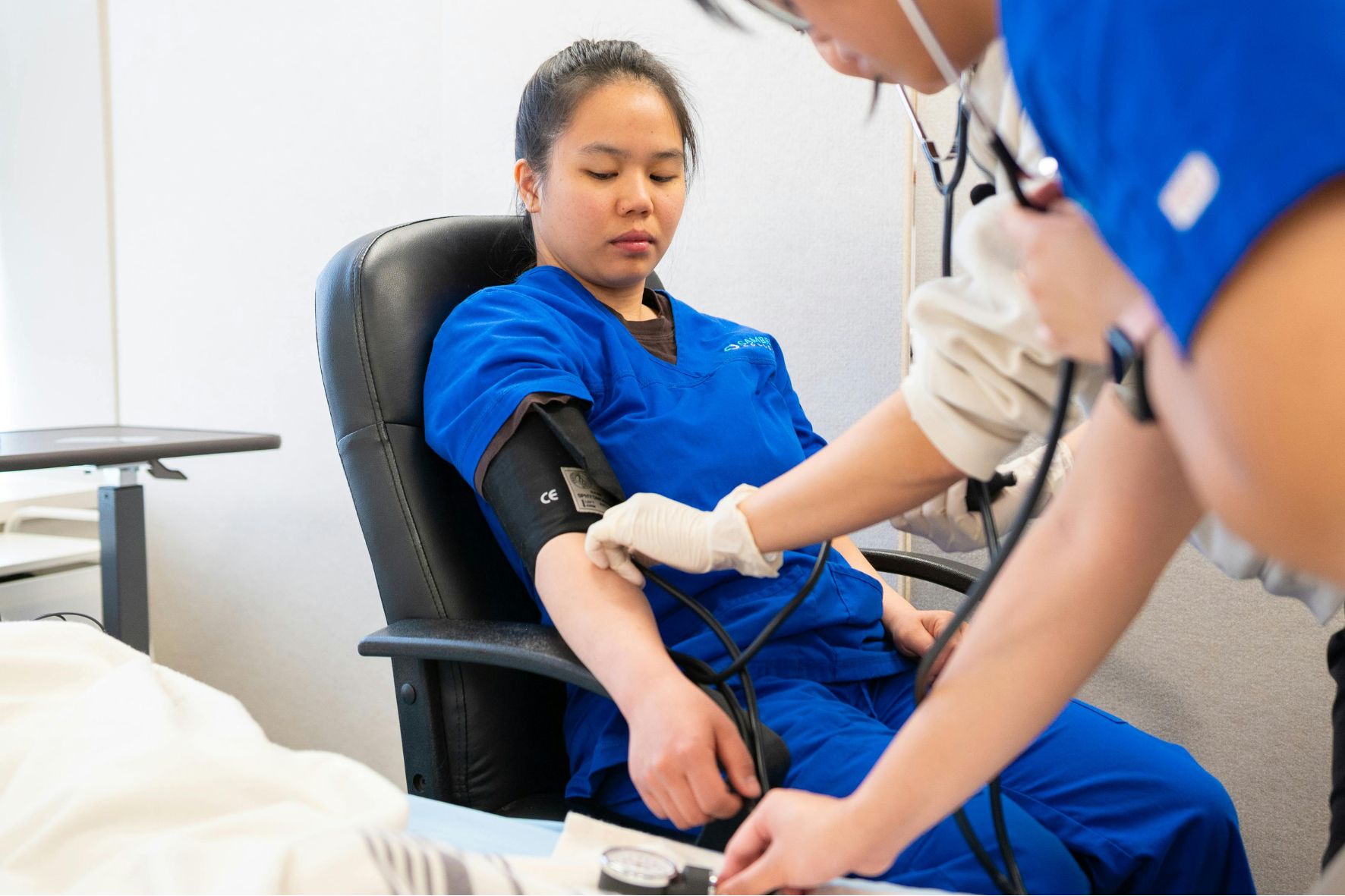
- Request a full cardiovascular risk assessment.
- Ask about cholesterol, blood pressure, blood sugar, and inflammatory markers.
- Discuss family history.
- Consider advanced testing if appropriate.
The earlier heart disease is detected, the better the outcome.
The Bottom Line: Listen to Your Body
Heart disease doesn’t always roar.
In women, it often whispers.
The difference between dismissal and diagnosis can be awareness.
If you remember nothing else from this article, remember this:
- Heart disease symptoms in women are often subtle.
- The early signs of heart attack in women may feel unrelated to the heart.
- Silent heart attack symptoms female patients experience can be dangerously mild.
- Chest pain in women may not be dramatic but still serious.
- Understanding heart disease risk factors for women empowers prevention.
- Recognizing cardiovascular symptoms in women can save lives.
You are not overreacting.
You are not dramatic.
You are not “just stressed.”
You are informed.
And informed women live longer.
If something feels off — investigate it. Your heart is worth it.
Frequently Asked Questions (FAQs)
1. How are heart disease symptoms in women different from men?
Heart disease symptoms in women are often subtler than in men. While men commonly experience intense chest pain, women may have fatigue, nausea, shortness of breath, jaw pain, or upper back discomfort. These differences can lead to delayed diagnosis.
2. What are the earliest warning signs of a heart attack in women?
Early signs of heart attack in women may include unusual fatigue, sleep disturbances, indigestion, shortness of breath, or mild chest pressure. These symptoms can appear days or weeks before a major cardiac event.
3. Can women have a heart attack without chest pain?
Yes. Many women experience a heart attack without classic chest pain. Silent heart attack symptoms in female patients may include fatigue, dizziness, nausea, sweating, or upper body discomfort without severe chest pressure.
4. What does chest pain in women typically feel like?
Chest pain in women may feel like pressure, tightness, fullness, burning, or mild squeezing rather than sharp or crushing pain. It can also come and go instead of being constant.
5. What are the biggest heart disease risk factors for women?
Major heart disease risk factors for women include high blood pressure, high cholesterol, diabetes, smoking, obesity, menopause, pregnancy complications, autoimmune disorders, and chronic stress.
6. At what age does heart disease risk increase for women?
Heart disease risk increases significantly after age 40 and rises further after menopause due to declining estrogen levels, which impact blood vessel function and cholesterol balance.
7. Why are heart attacks in women sometimes misdiagnosed?
Heart attacks in women are sometimes misdiagnosed because cardiovascular symptoms in women may mimic anxiety, acid reflux, or muscle pain. Atypical presentation often delays proper cardiac evaluation.
8. Are silent heart attacks more common in women?
Yes. Women are more likely to experience silent or minimally symptomatic heart attacks, which can cause heart damage without dramatic warning signs.
9. How can women reduce their risk of heart disease?
Women can reduce their risk by maintaining healthy blood pressure and cholesterol levels, exercising regularly, managing stress, eating a heart-healthy diet, avoiding smoking, controlling blood sugar, and getting regular screenings.
10. When should a woman seek emergency care for possible heart symptoms?
A woman should seek emergency care immediately if she experiences chest discomfort, shortness of breath, sudden fatigue, nausea, jaw or back pain, dizziness, or cold sweats — especially if symptoms are new, severe, or worsening.