A practical, experience-backed guide to halting prediabetes progression before it turns into type 2 diabetes
Prediabetes doesn’t announce itself loudly. It creeps in quietly—slightly elevated blood sugar, a little extra fatigue, maybe a lab report you weren’t expecting. And then comes the real question:
“Is this inevitable… or can I still stop it?”
Here’s the confident truth—prediabetes progression is not destiny. I’ve seen it personally, clinically, and repeatedly: when you act early and strategically, prediabetes can be slowed, stopped, and often reversed.
This blog isn’t built on fear. It’s built on experience, evidence, and execution. If you’re ready to take control, let’s stop prediabetes in its tracks—starting now.
Understanding Prediabetes Progression: Why Timing Is Everything
Prediabetes progression refers to the gradual worsening of blood sugar control that, if ignored, leads to type 2 diabetes. This process doesn’t happen overnight—it unfolds over years.
The danger? Most people feel “mostly fine” during this phase.
What Actually Happens During Prediabetes?
Behind the scenes, three things are occurring:
- Insulin resistance increases – Your cells stop responding efficiently to insulin
- Blood glucose levels rise – Not high enough for diabetes, but no longer normal
- Pancreatic stress builds – Your body works harder just to stay afloat
This is why early intervention matters. Prediabetes is a metabolic warning shot, not a final diagnosis.
Prediabetes Symptoms You Should Never Ignore
One of the biggest myths is that prediabetes has no symptoms. In reality, the signs are subtle—but present.
Common Prediabetes Symptoms
- Persistent fatigue, especially after meals
- Increased hunger or sugar cravings
- Brain fog or difficulty concentrating
- Slow wound healing
- Dark patches on skin (acanthosis nigricans)
Ask yourself honestly: Have these felt “normal” for too long?
Catching these symptoms early can significantly slow prediabetes progression before permanent damage occurs.
What Causes Prediabetes Progression in the First Place?
Prediabetes isn’t caused by sugar alone—it’s caused by patterns.
Key Drivers of Prediabetes Progression
- Chronic overconsumption of refined carbs
- Sedentary lifestyle
- Poor sleep quality
- High stress and cortisol levels
- Loss of muscle mass with age
Here’s the hard truth I’ve learned through experience:
You don’t drift into diabetes—you repeat your way into it.
The good news? You can also repeat your way out.
Can You Reverse Prediabetes? The Short Answer Is Yes
One of the most common AEO-style questions people ask is:
“Can prediabetes be reversed naturally?”
The answer—yes, absolutely, especially when action is taken early.
Reversing prediabetes isn’t about perfection. It’s about interrupting prediabetes progression with consistent, science-backed habits.
Nutrition Strategies That Stop Prediabetes Progression
Food is not the enemy—blood sugar spikes are.
Best Diet Approach for Prediabetes Management
Instead of extreme dieting, focus on glycemic control.
Key Nutrition Principles
- Prioritize protein at every meal
- Choose high-fiber carbohydrates
- Eliminate liquid sugars
- Eat meals in a consistent window
Foods That Help Reverse Prediabetes
- Leafy greens and cruciferous vegetables
- Lean proteins (eggs, fish, legumes)
- Healthy fats (olive oil, nuts, seeds)
- Low-glycemic fruits (berries, apples)
Punchline: You don’t need less food—you need smarter fuel.
Exercise and Prediabetes Progression: Why Movement Is Medicine
If nutrition is the foundation, movement is the accelerator.
Best Exercise for Prediabetes Control
You don’t need marathon training. You need metabolic stimulation.
Most Effective Exercise Types
- Resistance training (2–4x per week)
- Daily walking (7,000–10,000 steps)
- Short bursts of intensity (HIIT or brisk intervals)
Here’s what I’ve seen repeatedly:
Building muscle is one of the fastest ways to improve insulin sensitivity.
This alone can dramatically slow prediabetes progression.
The Role of Weight Loss in Stopping Prediabetes
Even modest weight loss—5–7% of body weight—can reduce diabetes risk by over 50%.
But here’s the nuance most blogs miss:
It’s not weight loss—it’s fat loss combined with muscle preservation.
Crash dieting worsens insulin resistance. Strategic fat loss improves it.
Stress, Sleep, and Blood Sugar: The Hidden Prediabetes Triggers
You can eat perfectly and still struggle if stress and sleep are ignored.
How Stress Accelerates Prediabetes Progression
- Raises cortisol
- Increases glucose release from the liver
- Promotes abdominal fat storage
Sleep Deprivation and Insulin Resistance
Less than 6 hours of sleep per night significantly worsens blood sugar control.
Ask yourself:
When was the last time I treated sleep like medicine?
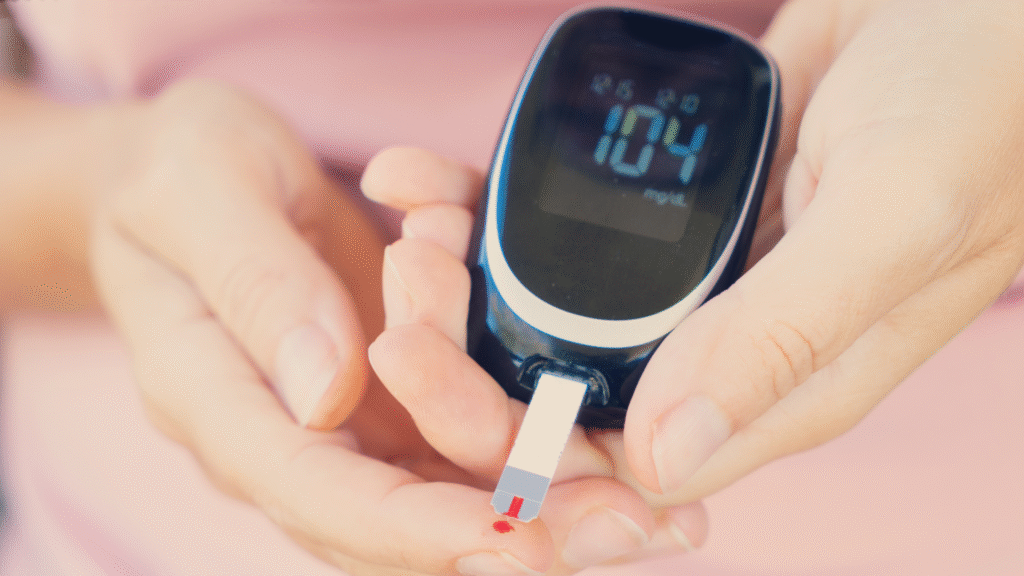
Monitoring Blood Sugar to Track Prediabetes Progression
What gets measured gets managed.
Key Tests to Monitor
- Fasting blood glucose
- HbA1c
- Oral glucose tolerance test
Tracking progress isn’t about obsession—it’s about feedback.
Common Mistakes That Speed Up Prediabetes Progression
Let’s call these out clearly.
Mistakes to Avoid
- Waiting for “diabetes” to take action
- Relying only on medication without lifestyle changes
- Eliminating carbs completely
- Ignoring strength training
- Underestimating stress and sleep
Prediabetes doesn’t require panic—but it does require urgency.
Prediabetes Prevention Plan: A Simple Daily Framework
Here’s a practical structure I’ve seen work repeatedly:
Daily Non-Negotiables
- Protein-rich breakfast
- 30–45 minutes of movement
- Fiber at every meal
- 7+ hours of sleep
- Stress decompression ritual
Consistency beats intensity—every time.
Final Thoughts: Stop Prediabetes Progression Before It Stops You
Prediabetes is not a failure.
It’s a window of opportunity.
You are standing at a metabolic crossroads. One path leads to lifelong medication and complications. The other leads to control, energy, and resilience.
And the difference between those paths?
Action—taken early, taken seriously, and taken consistently.
Prediabetes progression can be slowed.
It can be stopped.
And in many cases—it can be reversed.
The question isn’t “Can I?”
The question is: “Will I start today?”
Frequently Asked Questions About Prediabetes Progression
1. What is prediabetes progression and why is it dangerous?
Prediabetes progression refers to the gradual worsening of insulin resistance and blood sugar levels that eventually leads to type 2 diabetes if left unmanaged. It’s dangerous because it silently damages blood vessels, nerves, and organs long before diabetes is diagnosed. The risk isn’t just diabetes—it’s heart disease, stroke, and metabolic decline. The earlier prediabetes progression is stopped, the better the long-term outcome.
2. How fast does prediabetes progress to type 2 diabetes?
Prediabetes progression varies from person to person, but studies show that 5–10% of people with prediabetes develop type 2 diabetes each year if no lifestyle changes are made. For some, progression can happen within 2–3 years. The speed depends on diet, physical activity, weight, stress levels, and genetics. Early intervention can significantly slow—or completely halt—this progression.
3. Can prediabetes progression be reversed naturally?
Yes, prediabetes progression can often be reversed naturally, especially in the early stages. Consistent lifestyle changes such as improved nutrition, regular exercise, weight management, quality sleep, and stress reduction can restore insulin sensitivity. Many individuals are able to bring blood sugar levels back to normal ranges without medication when these changes are maintained long term.
4. What are the early warning signs of prediabetes progression?
Early signs of prediabetes progression are often subtle and easily ignored. These include fatigue after meals, increased hunger or sugar cravings, brain fog, unexplained weight gain (especially around the abdomen), and slow wound healing. Some people may also notice dark patches of skin, particularly around the neck or underarms, which signal insulin resistance.
5. What foods help slow or stop prediabetes progression?
Foods that help stop prediabetes progression are those that stabilize blood sugar and improve insulin sensitivity. These include high-fiber vegetables, lean proteins, healthy fats, whole grains in moderation, and low-glycemic fruits like berries. Reducing refined carbohydrates, sugary drinks, and ultra-processed foods is critical. The goal is not restriction, but blood sugar balance.
6. Is exercise really effective in preventing prediabetes progression?
Absolutely. Exercise is one of the most powerful tools for preventing prediabetes progression. Strength training improves insulin sensitivity by increasing muscle mass, while walking and cardiovascular exercise help regulate blood glucose levels. Even 30 minutes of daily movement can significantly reduce the risk of developing type 2 diabetes.
7. How much weight loss is needed to stop prediabetes progression?
Research shows that losing just 5–7% of body weight can dramatically reduce the risk of prediabetes progression to type 2 diabetes. This modest reduction improves insulin sensitivity, lowers fasting glucose, and reduces inflammation. The focus should be on sustainable fat loss while preserving muscle—not extreme dieting.
8. Can stress and poor sleep worsen prediabetes progression?
Yes, chronic stress and poor sleep are major but often overlooked contributors to prediabetes progression. High stress raises cortisol levels, which increase blood sugar. Sleep deprivation reduces insulin sensitivity and increases cravings for high-carb foods. Prioritizing quality sleep and stress management is essential for effective prediabetes control.
9. Should I take medication to prevent prediabetes progression?
Medication such as metformin may be recommended for individuals at high risk, but lifestyle changes remain the first-line approach for stopping prediabetes progression. Medication can support blood sugar control, but it cannot replace the metabolic benefits of proper nutrition, exercise, sleep, and stress reduction. Always consult a healthcare professional before starting medication.
10. How can I track whether my prediabetes progression is improving?
You can track improvements in prediabetes progression by monitoring key markers such as fasting blood glucose, HbA1c levels, waist circumference, energy levels, and overall metabolic health. Regular blood tests combined with symptom awareness provide clear feedback on whether your lifestyle changes are working. Consistent monitoring empowers early course correction.