Rapid weight loss is a rate of loss faster than 1 kg (about 2 lb) per week, and for most people it is not safe without medical supervision. Beyond that pace, a growing share of the loss comes from muscle and water rather than fat, and the risks of gallstones, nutrient deficiencies, and rebound weight gain rise sharply.
What Counts as Rapid Weight Loss?
Health bodies including the NIDDK and CDC define safe, sustainable loss as 0.5 to 1 kg per week. Anything consistently faster, or any plan under roughly 1,000 to 1,200 calories a day, falls into rapid territory.
One exception exists: medically supervised programmes for people with obesity before surgery or with urgent health needs. Those are run with blood tests, supplements, and physician oversight, which is precisely what DIY crash diets lack.
What Are the Real Risks of Losing Weight Too Fast?
| Risk | Why it happens |
|---|---|
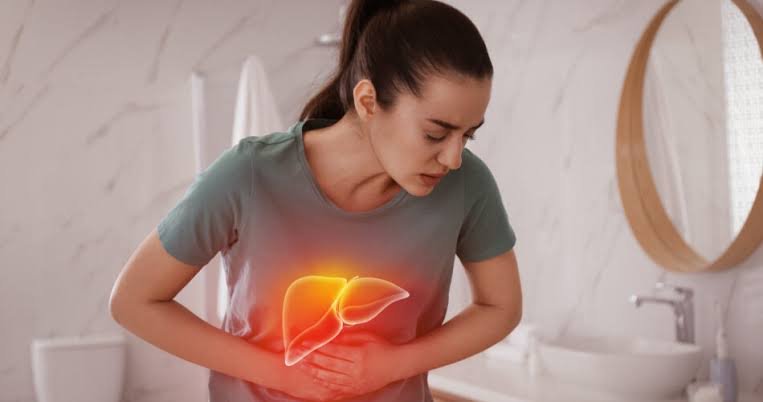
| Gallstones | Rapid fat mobilisation concentrates cholesterol in bile; gallstones affect a significant share of very-low-calorie dieters within months |
| Muscle loss | In aggressive deficits, 25 to 35% of weight lost can be lean tissue, slowing metabolism |
| Nutrient deficiencies | Iron, B12, calcium, and protein needs cannot be met on very low intakes, a particular risk for vegetarian women |
| Hair loss and fatigue | Telogen effluvium commonly appears 2 to 3 months after severe restriction |
| Rebound regain | Hunger hormones rise and stay elevated; studies show elevated ghrelin persisting a year after rapid loss |
Why Does Fast Loss Almost Always Rebound?
Crash dieting removes weight faster than your appetite system can adapt. Ghrelin climbs, leptin falls, and the body defends its old weight by making you hungrier and slightly lazier for months.
Because a chunk of the lost weight was muscle, the regained weight comes back mostly as fat. Repeat the cycle two or three times and you have weight cycling: same scale weight as before, worse body composition. This is the engine behind most fad diet failures.
When Is Rapid Weight Loss Medically Justified?
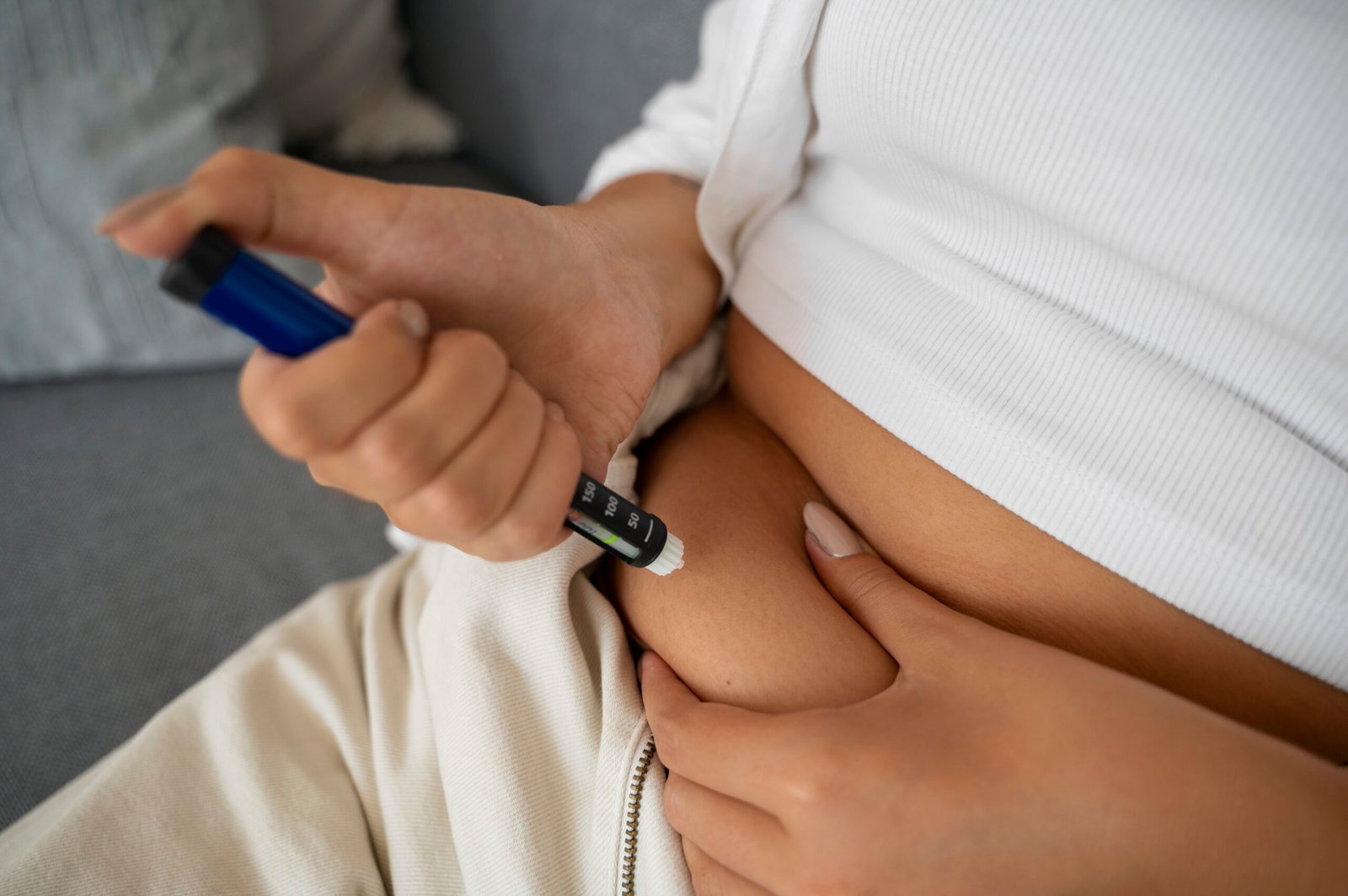
Doctors do prescribe very low-calorie diets of 800 calories or less in specific situations: before bariatric or gallbladder surgery, in poorly controlled type 2 diabetes, or when weight poses an immediate health threat.
The difference is supervision. These programmes use nutritionally complete meal replacements, regular blood work, and a structured refeeding phase, and even then they are time-limited to about 12 weeks.
How Do You Lose Weight Fast Enough to Stay Motivated but Slow Enough to Be Safe?
- Set the deficit at 500 calories, which yields about 0.5 kg per week. My caloric deficit guide shows the maths.
- Front-load your results psychologically: take measurements and photos, because the first weeks show water changes the mirror will not explain.
- Keep protein at 1.2 to 1.6 g per kg and strength train twice weekly so the loss is fat, not muscle.
- Recheck every 8 weeks: if energy, sleep, hair, or cycle regularity deteriorates, the pace is too fast for your body.
Frequently Asked Questions
Is losing 5 kg in a month safe?
For most women, no. That pace, over 1 kg per week, usually requires an intake so low it sacrifices muscle and micronutrients. A heavier person under medical care might lose 5 kg safely in a month; a 65 kg woman doing it alone almost certainly cannot.
Why did my friend lose weight fast without problems?
Starting weight changes everything. The heavier the starting point, the faster early loss can safely run. Problems also surface late; gallstones and hair shedding typically appear months after the diet, when nobody connects the dots.
Does rapid weight loss slow your metabolism permanently?
Not permanently, but adaptively. Studies of crash dieters show metabolic rate suppressed beyond what the weight change predicts, sometimes for years if muscle is not rebuilt. Rebuilding muscle through training and adequate protein largely restores it.
What is the fastest safe way to lose belly fat?
A 400 to 500 calorie deficit, 1.2 g or more of protein per kg, strength training, and 7 hours of sleep. No food or wrap targets belly fat specifically; the belly shrinks as overall fat falls, with waist measurement as your best tracker.
About the Author
Nidhi Kakar is a nutritionist and the founder of Art of Wellness. She specialises in women’s health through the midlife years, from the mid-30s to the mid-60s, and has guided hundreds of women through perimenopause, menopause, and post-menopause with personalised nutrition and lifestyle plans.
This article is for educational purposes and does not replace personalised medical advice.