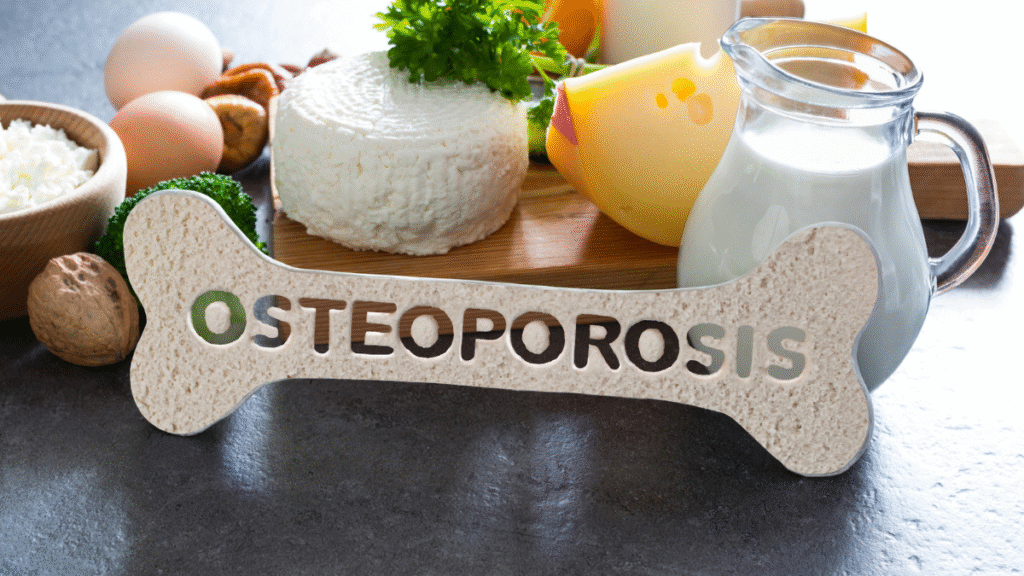
Osteoporosis is a silent condition that gradually weakens bones, making them fragile and more prone to fractures. It affects millions of people worldwide, especially older adults and postmenopausal women. While genetics, age, lifestyle, and hormonal changes play a major role, nutrition is one of the most critical and controllable factors in maintaining strong bones. In this context, vitamins for osteoporosis and targeted supplements have gained significant attention for their role in prevention and long-term bone health.
This blog explores how supplements support bone density, which nutrients matter most, and how to choose the right options to strengthen your bones effectively.
Understanding Osteoporosis and Bone Health
Bones are living tissues that constantly undergo a process of breakdown and rebuilding. In healthy individuals, new bone formation keeps pace with bone loss. Osteoporosis develops when bone loss occurs faster than bone formation, leading to porous and brittle bones.
Several factors increase the risk of osteoporosis, including:
- Aging
- Hormonal changes (especially reduced estrogen in women)
- Low calcium and vitamin D intake
- Sedentary lifestyle
- Smoking and excessive alcohol consumption
Along with diet and exercise, osteoporosis supplements play an important role in filling nutritional gaps and supporting optimal bone metabolism.
Why Supplements Are Important for Bone Strength
Modern diets often lack adequate levels of essential nutrients required for bone health. Even with a balanced diet, the body may struggle to absorb enough minerals due to age-related changes, digestive issues, or lifestyle factors.
Supplements help by:
- Providing consistent and measurable nutrient intake
- Supporting bone mineral density
- Reducing the risk of fractures
- Enhancing calcium absorption and utilization
Many people search for bone strength medicine to prevent bone loss, but supplements work best when used as part of a comprehensive bone health strategy that includes proper nutrition and physical activity.
Vitamins for Osteoporosis: Key Nutrients Explained
Which Vitamin for Bones Is Most Important?
When discussing which vitamin for bones, several nutrients stand out for their proven benefits in maintaining bone density and strength.
Vitamin D
Vitamin D is essential for bone health because it regulates calcium absorption in the intestines. Without sufficient vitamin D, the body cannot effectively use calcium, no matter how much you consume.
- Helps maintain proper calcium and phosphorus levels
- Supports bone mineralization
- Reduces fracture risk
This leads many to ask: which vitamin helps in the absorption of calcium? The clear answer is vitamin D.
Vitamin K
Vitamin K plays a critical role in bone metabolism by activating proteins that bind calcium to bone tissue.
- Improves bone mineral density
- Reduces bone turnover
- Works synergistically with calcium and vitamin D
Vitamin C
Vitamin C supports collagen formation, which forms the structural framework of bones.
- Promotes bone matrix strength
- Supports overall connective tissue health
- Acts as an antioxidant to protect bone cells
Osteoporosis and Calcium Supplements: Why Calcium Still Matters
Calcium is the most abundant mineral in the body and a cornerstone of bone health. About 99% of the body’s calcium is stored in bones and teeth.
Role of Calcium in Osteoporosis Prevention
Adequate calcium intake:
- Helps maintain bone mass
- Slows bone loss with age
- Reduces fracture risk
For individuals who cannot meet daily calcium requirements through food alone, osteoporosis and calcium supplements are often recommended.
Which Calcium Is Best for Bones?
One of the most common questions is which calcium is best for bones. Not all calcium supplements are the same, and choosing the right form can make a significant difference.
Calcium Carbonate
- Contains a high percentage of elemental calcium
- Best absorbed when taken with food
- Cost-effective and widely available
Calcium Citrate
- Easier to absorb, even without food
- Suitable for older adults and those with low stomach acid
- Less likely to cause digestive discomfort
For individuals with osteoporosis or absorption issues, calcium citrate is often considered the better option.
Osteoporosis Supplements Beyond Calcium
While calcium and vitamin D form the foundation of bone health, other osteoporosis supplements also contribute to stronger bones.
Magnesium
Magnesium helps regulate calcium levels and supports bone structure.
- Improves bone density
- Enhances vitamin D activation
- Reduces the risk of calcium imbalance
Zinc
Zinc supports bone tissue renewal and mineralization.
- Promotes bone formation
- Helps maintain skeletal integrity
- Supports immune health alongside bone health
Boron
Boron plays a role in calcium and vitamin D metabolism.
- Helps reduce calcium loss
- Supports hormone balance related to bone health
How Supplements Work Together for Bone Strength
Bone health depends on a delicate balance of nutrients working together. Taking calcium alone without supportive vitamins may not deliver optimal results.
For example:
- Vitamin D ensures calcium absorption
- Vitamin K directs calcium into bones rather than arteries
- Magnesium balances calcium levels in the body
This synergy highlights why a comprehensive approach using vitamins for osteoporosis is more effective than relying on a single nutrient.
Bone Strength Medicine vs. Supplements
Prescription bone strength medicine is often recommended for individuals with advanced osteoporosis or a high fracture risk. These medications work by slowing bone loss or stimulating bone formation.
However, supplements remain essential because:
- Medications do not replace nutritional needs
- Supplements support long-term bone maintenance
- Nutrients improve the effectiveness of bone strength medicine
In many cases, doctors recommend supplements alongside medication for better outcomes.
Who Should Consider Osteoporosis Supplements?
You may benefit from supplements if you:
- Are over 50 years old
- Are postmenopausal
- Have a family history of osteoporosis
- Consume limited dairy or calcium-rich foods
- Have low vitamin D levels
- Lead a sedentary lifestyle
Early intervention with the right osteoporosis supplements can significantly reduce future fracture risk.
Tips for Choosing the Right Supplements
When selecting supplements for bone health, keep these tips in mind:
- Choose supplements that include calcium, vitamin D, and vitamin K
- Look for forms with good bioavailability
- Avoid excessive doses without medical guidance
- Consider combination supplements for convenience
- Always consult a healthcare professional before starting
Understanding which vitamin for bones and which mineral forms suit your body is key to safe and effective supplementation.
Lifestyle Factors That Enhance Supplement Benefits
Supplements work best when combined with healthy habits, such as:
- Weight-bearing exercises like walking or strength training
- Adequate protein intake
- Limiting caffeine and alcohol
- Avoiding smoking
- Getting regular sunlight exposure for natural vitamin D
These habits amplify the impact of osteoporosis and calcium supplements and support lifelong bone strength.
Common Myths About Vitamins for Osteoporosis
Myth 1: Calcium Alone Is Enough
Calcium is important, but without vitamin D and other nutrients, its benefits are limited.
Myth 2: Supplements Work Instantly
Bone remodeling is a slow process. Consistency over months and years is essential.
Myth 3: Only Older Adults Need Supplements
Bone loss can begin as early as your 30s, making early prevention crucial.
Final Thoughts on Supplements and Bone Health
Osteoporosis prevention is a lifelong commitment that requires the right balance of nutrition, physical activity, and medical care. Supplements play a vital role in filling nutritional gaps and supporting strong bones, especially when dietary intake is insufficient.
By understanding vitamins for osteoporosis, choosing the right osteoporosis supplements, and knowing which calcium is best for bones, you can take proactive steps to protect your skeletal health. Combined with a healthy lifestyle, these nutrients help maintain bone density, reduce fracture risk, and support overall well-being as you age.
Strong bones are not just about preventing fractures—they are essential for mobility, independence, and quality of life. Investing in bone health today ensures a stronger, more active tomorrow.
Frequently Asked Questions (FAQs)
1. What are the best vitamins for osteoporosis prevention?
The best vitamins for osteoporosis include vitamin D, vitamin K, and vitamin C. Vitamin D helps the body absorb calcium effectively, vitamin K supports bone mineralization, and vitamin C aids collagen formation, which strengthens the bone structure. Together, these vitamins help maintain bone density and reduce fracture risk.
2. Which vitamin helps in the absorption of calcium?
Vitamin D is the primary nutrient responsible for calcium absorption. Without adequate vitamin D, the body cannot properly absorb calcium from food or supplements, increasing the risk of bone loss and osteoporosis. This is why vitamin D is often combined with calcium in osteoporosis supplements.
3. Which vitamin for bones is most important as we age?
As we age, vitamin D becomes increasingly important for bone health. Aging reduces the skin’s ability to produce vitamin D from sunlight, making supplementation essential. Vitamin K and vitamin B12 also support bone metabolism and help maintain bone strength in older adults.
4. Are osteoporosis supplements necessary if I eat a healthy diet?
Even with a healthy diet, many people do not get enough calcium, vitamin D, or magnesium. Osteoporosis supplements help bridge these nutritional gaps, especially for older adults, postmenopausal women, and individuals with absorption issues or dietary restrictions.
5. Which calcium is best for bones?
The two most common forms of calcium are calcium carbonate and calcium citrate. Calcium citrate is often considered the best calcium for bones because it is easily absorbed and can be taken with or without food. It is especially suitable for older adults or those with low stomach acid.
6. How do osteoporosis and calcium supplements work together?
Osteoporosis and calcium supplements work by maintaining adequate calcium levels in the body to support bone density. When combined with vitamin D and vitamin K, calcium is absorbed more efficiently and deposited into bones rather than soft tissues, helping prevent bone thinning.
7. Can bone strength medicine replace supplements?
Bone strength medicine prescribed for osteoporosis helps slow bone loss or stimulate bone formation, but it does not replace the body’s nutritional needs. Supplements such as calcium, vitamin D, and magnesium are still essential to support overall bone health and enhance the effectiveness of bone strength medicine.
8. How long does it take for osteoporosis supplements to show results?
Bone health improvements take time. Most people may notice measurable changes in bone density after 6–12 months of consistent use of osteoporosis supplements, combined with proper diet, exercise, and lifestyle changes. Supplements work best when taken regularly over the long term.
9. Can men also benefit from vitamins for osteoporosis?
Yes, men can also develop osteoporosis, especially with aging or low testosterone levels. Vitamins for osteoporosis, including calcium, vitamin D, and magnesium, help men maintain bone density, reduce fracture risk, and support overall skeletal strength.
10. Are there any side effects of osteoporosis supplements?
When taken in recommended doses, osteoporosis supplements are generally safe. However, excessive calcium intake may cause digestive issues or kidney stones. It is important to follow dosage guidelines and consult a healthcare professional before starting supplements, especially if you are already taking bone strength medicine.