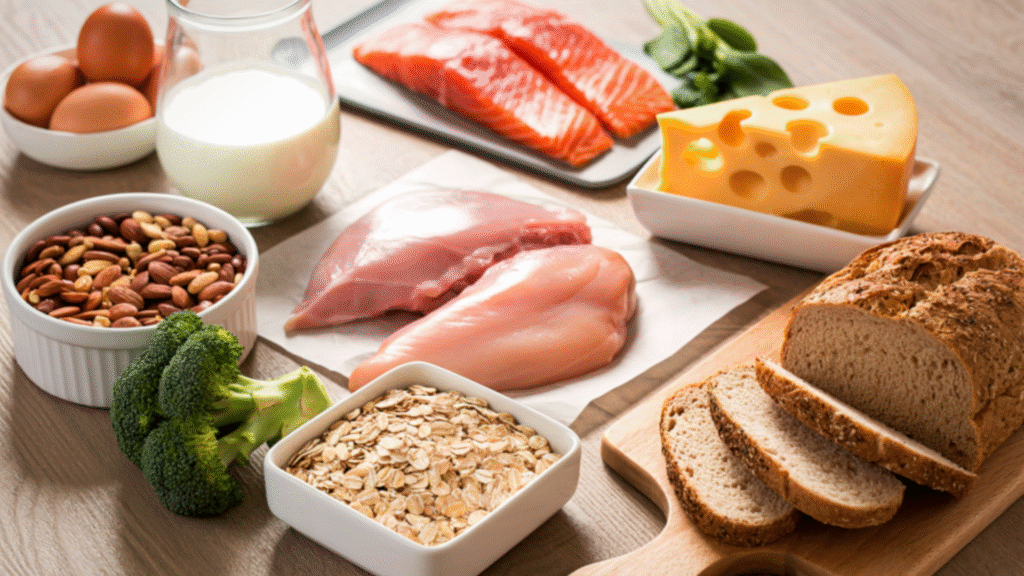
Weight loss advice is everywhere. Eat less. Move more. Cut carbs. Skip fats. Try detox teas. Sound familiar?
Yet, after working with hundreds of real people and testing countless approaches, one strategy consistently delivers results — a high protein diet for weight loss.
Not a fad. Not a shortcut.
A science-backed, experience-proven approach that helps you burn fat, preserve muscle, and stay full without feeling deprived.
So the real question is:
Why does a high-protein diet work so powerfully for weight loss — and how can you apply it correctly?
Let’s break it down.
What Is a High Protein Diet for Weight Loss?
A high protein diet for weight loss focuses on increasing protein intake while balancing calories and macronutrients to promote fat loss without muscle loss.
Protein becomes the foundation of every meal, not an afterthought.
Typical Protein Intake Range
- 25–35% of daily calories from protein
- Or 1.6–2.2 grams of protein per kg of body weight
Why this range? Because it’s the sweet spot where:
- Fat loss accelerates
- Hunger decreases
- Muscle mass is preserved
And yes — this works for beginners and seasoned fitness enthusiasts alike.
Why a High Protein Diet for Weight Loss Works So Well
Ever noticed how protein keeps you full longer than carbs or fats? That’s not coincidence — it’s biology.
1. Protein Boosts Metabolism
Protein has the highest thermic effect of food (TEF).
Your body burns 20–30% of protein calories just digesting it.
Translation?
You burn more calories without doing anything extra.
2. Protein Controls Hunger Hormones
Protein reduces ghrelin (the hunger hormone) and increases GLP-1 and peptide YY, which signal fullness.
Result?
Less snacking. Fewer cravings. Better adherence.
3. Protein Preserves Lean Muscle
Weight loss isn’t just about losing weight — it’s about losing fat.
A high protein diet for weight loss ensures:
- Muscle stays intact
- Metabolism stays high
- The “skinny-fat” look is avoided
High Protein Diet Plan for Weight Loss: How to Structure Your Day
A successful high protein diet plan for weight loss isn’t complicated — it’s consistent.
Here’s how I recommend structuring it:
Daily Protein Distribution
- Breakfast: 25–30g protein
- Lunch: 30–40g protein
- Dinner: 30–40g protein
- Snacks: 10–20g protein
Spacing protein across meals improves:
- Muscle protein synthesis
- Appetite control
- Energy levels
Best Protein Sources
- Eggs
- Chicken breast
- Fish
- Greek yogurt
- Paneer
- Lentils
- Tofu
- Whey or plant protein powders
High Protein Diet Chart for Weight Loss (Sample Day)
A high protein diet chart for weight loss helps remove decision fatigue. Here’s a realistic example:
Breakfast
- Vegetable omelette (3 eggs)
- 1 slice whole-grain toast
- Black coffee or green tea
Protein: ~30g
Mid-Morning Snack
- Greek yogurt with seeds
Protein: ~15g
Lunch
- Grilled chicken / paneer
- Quinoa or brown rice
- Large salad with olive oil
Protein: ~40g
Evening Snack
- Protein smoothie or roasted chickpeas
Protein: ~20g
Dinner
- Fish curry / tofu stir-fry
- Steamed vegetables
Protein: ~35g
Total daily protein: 140g+
Simple. Sustainable. Effective.
High Protein Vegetarian Diet for Weight Loss: Yes, It Works
Think vegetarians can’t lose weight on a high-protein approach?
That’s one of the biggest myths I see.
A high protein vegetarian diet for weight loss can be just as effective when planned correctly.
Top Vegetarian Protein Sources
- Paneer (low-fat)
- Greek yogurt & curd
- Lentils (dal)
- Chickpeas
- Tofu & tempeh
- Soy chunks
- Nuts & seeds (in moderation)
Vegetarian Meal Example
- Breakfast: Paneer bhurji
- Lunch: Dal + quinoa
- Snack: Greek yogurt
- Dinner: Tofu stir-fry
Protein isn’t limited — you just need variety and balance.
High Protein Low Carb Diet for Weight Loss: Fat Loss on Autopilot
If faster fat loss is your goal, combining protein with lower carbs is powerful.
A high protein low carb diet for weight loss works by:
- Reducing insulin spikes
- Encouraging fat-burning
- Stabilizing blood sugar
Ideal Carb Sources
- Vegetables
- Berries
- Small portions of whole grains
Foods to Limit
- Refined sugar
- White bread
- Processed snacks
- Sugary beverages
This approach is especially effective for:
- Belly fat
- Insulin resistance
- PCOS-related weight gain
Common Mistakes People Make on a High Protein Diet
Even the best strategy fails when executed poorly.
1. Not Eating Enough Calories
Protein isn’t magic — extreme restriction slows metabolism.
2. Ignoring Fiber
Low fiber = digestive issues.
Include vegetables and seeds daily.
3. Relying Only on Protein Powders
Whole foods matter. Supplements should supplement — not replace.
How Long Does It Take to See Results?
From experience and data:
- 1–2 weeks: Reduced bloating, better satiety
- 3–4 weeks: Visible fat loss
- 8–12 weeks: Major body recomposition
Consistency beats perfection — every single time.
Is a High Protein Diet Safe for Long-Term Weight Loss?
Yes — when done correctly.
Research shows high-protein diets are:
- Safe for healthy kidneys
- Beneficial for muscle and bone health
- Sustainable long-term
If you have kidney disease, consult a medical professional — otherwise, protein is your ally.
Final Thoughts: Why a High Protein Diet for Weight Loss Is Non-Negotiable
Weight loss doesn’t have to feel like punishment.
A high protein diet for weight loss allows you to:
- Eat satisfying meals
- Lose fat consistently
- Maintain muscle and strength
- Stay energized and focused
So ask yourself —
Why struggle with hunger when protein makes weight loss easier?
Start prioritizing protein, and your body will do the rest.
Frequently Asked Questions (FAQs) on High Protein Diet for Weight Loss
1. What is a high protein diet for weight loss?
A high protein diet for weight loss is an eating approach where protein makes up a larger percentage of daily calories—typically 25–35%—to promote fat loss while preserving lean muscle mass. Protein helps control hunger, boosts metabolism, and prevents muscle loss during calorie reduction, making weight loss more sustainable and effective.
2. How much protein do I need daily for weight loss?
For effective fat loss, most individuals need 1.6–2.2 grams of protein per kilogram of body weight per day. For example, someone weighing 70 kg should aim for 110–150 grams of protein daily. This range supports appetite control, muscle retention, and metabolic health during weight loss.
3. Does a high protein diet really help burn fat faster?
Yes, a high protein diet for weight loss helps burn fat faster by increasing the thermic effect of food, improving insulin sensitivity, and reducing overall calorie intake naturally. Protein requires more energy to digest and helps keep you full longer, which leads to consistent fat loss without extreme calorie restriction.
4. Can I follow a high protein vegetarian diet for weight loss?
Absolutely. A high protein vegetarian diet for weight loss is highly effective when planned correctly. Protein-rich vegetarian foods such as paneer, tofu, lentils, Greek yogurt, soy chunks, and legumes can easily meet daily protein needs while supporting fat loss and muscle preservation.
5. What does a high protein diet chart for weight loss look like?
A high protein diet chart for weight loss includes protein at every meal. A typical day consists of protein-rich breakfast (eggs or paneer), balanced lunch (chicken or dal with grains), protein snacks (Greek yogurt or smoothies), and a high-protein dinner (fish or tofu with vegetables). This structure ensures consistent protein intake throughout the day.
6. Is a high protein low carb diet for weight loss safe?
Yes, a high protein low carb diet for weight loss is safe for most healthy individuals. It helps reduce insulin spikes, control blood sugar levels, and promote fat burning. However, it should still include fiber-rich vegetables and healthy fats for optimal digestion and long-term sustainability.
7. How long does it take to see results on a high protein diet?
Most people experience reduced hunger and bloating within 1–2 weeks. Visible fat loss typically appears within 3–4 weeks, while significant body composition changes occur after 8–12 weeks of consistent adherence to a high protein diet for weight loss.
8. Can too much protein harm my kidneys?
For healthy individuals, high protein diets are not harmful to the kidneys. Research consistently shows that increased protein intake is safe when hydration is adequate. However, individuals with pre-existing kidney conditions should consult a healthcare professional before increasing protein intake.
9. Do I need protein supplements for weight loss?
Protein supplements are not mandatory but can be convenient. Whole food sources should form the foundation of a high protein diet plan for weight loss, while protein powders can help meet daily targets when food options are limited or during busy schedules.
10. What are the most common mistakes on a high protein diet for weight loss?
The most common mistakes include eating too few calories, neglecting fiber intake, relying solely on protein shakes, and inconsistent protein distribution across meals. For best results, protein should be spread evenly throughout the day and combined with vegetables, healthy fats, and adequate hydration.