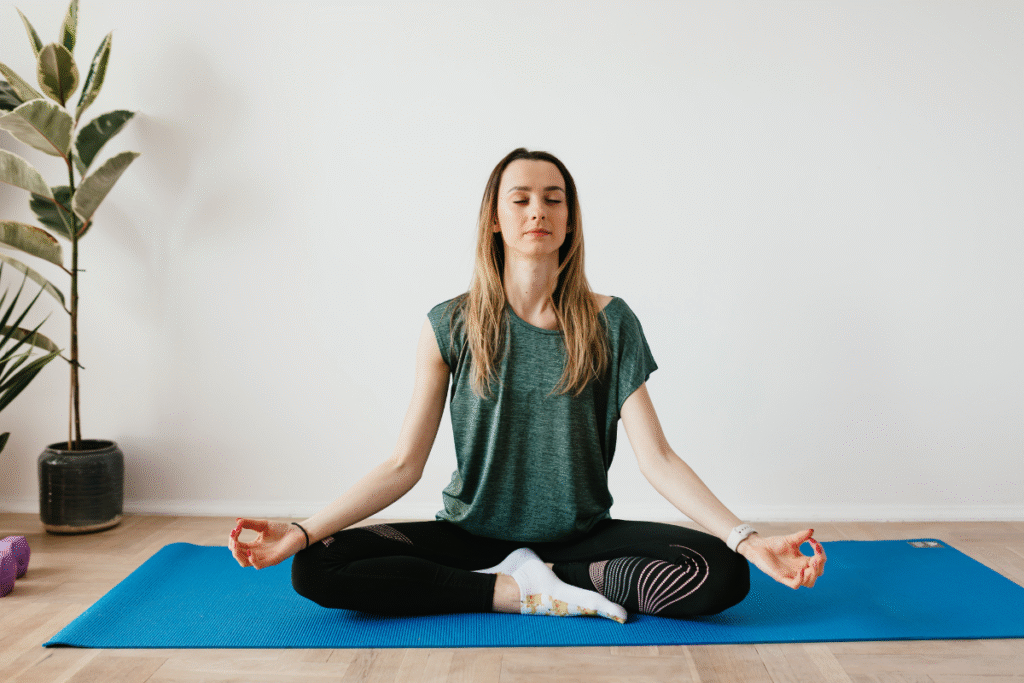
Meditation for anxiety has gained widespread attention as a natural, evidence-backed approach to calming the mind and easing emotional tension. In a world filled with constant noise, deadlines, and digital overload, anxiety has become an everyday struggle for many. Meditation offers a quiet, intentional pause that helps reset your nervous system and bring relief from racing thoughts. The benefits of meditation for anxiety extend far beyond temporary relaxation, shaping how your brain and body respond to stress over time.
This article explores how meditation eases anxiety, the types of meditation that work best, and how to begin a sustainable practice that fits your lifestyle.
How Meditation for Anxiety Works
Meditation calms the nervous system by activating the parasympathetic response, often called the rest-and-digest mode. When you meditate, your heart rate slows, breathing deepens, and stress hormones like cortisol decrease. Over time, regular meditation for anxiety strengthens the prefrontal cortex, the part of the brain responsible for rational thinking, while reducing activity in the amygdala, which triggers fear responses.
Studies show that even ten minutes of daily meditation can significantly reduce anxiety symptoms. The practice teaches you to observe thoughts without reacting, creating mental space between stimulus and response. This shift is what makes meditation such a powerful tool for managing anxiety.
Key Benefits of Meditation for Anxiety
1. Reduces Stress Hormone Levels
Meditation lowers cortisol, the primary stress hormone. Reduced cortisol leads to better mood, improved sleep, and a calmer emotional state. Over weeks of consistent practice, your baseline stress levels drop, making anxious moments less intense and easier to manage.
2. Improves Emotional Regulation
One of the most valuable benefits of meditation for anxiety is improved emotional regulation. Meditation trains you to notice emotions as they arise without getting swept away. This awareness allows you to respond thoughtfully rather than react impulsively, reducing emotional spikes that often fuel anxiety.
3. Enhances Focus and Mental Clarity
Anxiety often clouds thinking and makes decision-making feel overwhelming. Meditation sharpens focus and clears mental fog, helping you approach challenges with a steadier mind. Improved concentration also reduces the spiraling worry loops common with anxious thinking.
4. Promotes Better Sleep
Anxiety and sleep are closely linked. Racing thoughts at bedtime often delay rest, while poor sleep worsens anxiety. Meditation for anxiety encourages relaxation, slows brain activity, and prepares the body for deep, restorative sleep. Practices like body scans or guided sleep meditations are particularly effective.
5. Builds Self-Awareness
Meditation deepens your understanding of internal patterns. You begin to recognize what triggers your anxiety, how it shows up in your body, and which thoughts fuel it. This self-knowledge is the foundation for lasting change and emotional resilience.
6. Lowers Blood Pressure and Heart Rate
Chronic anxiety puts strain on the cardiovascular system. Meditation lowers both blood pressure and resting heart rate, supporting overall heart health. These physical benefits of meditation for anxiety also create a sense of bodily calm that reinforces emotional ease.
Types of Meditation for Anxiety
Mindfulness Meditation
Mindfulness involves observing thoughts, feelings, and sensations without judgment. Sit quietly, focus on your breath, and gently return your attention whenever it wanders. This practice is one of the most studied forms of meditation for anxiety and is suitable for beginners.
Guided Meditation
Guided meditations use a teacher’s voice to walk you through the process. Apps and recordings make this approach accessible, especially when you feel too anxious to meditate alone. Guided meditations often include calming imagery, affirmations, or breath instructions.
Loving-Kindness Meditation
This practice involves silently sending wishes of wellbeing to yourself and others. It cultivates compassion, softens self-criticism, and reduces feelings of isolation that often accompany anxiety.
Body Scan Meditation
A body scan involves slowly directing attention through different parts of the body, noticing tension and releasing it. This is particularly helpful for those who carry anxiety as physical tightness in the shoulders, jaw, or stomach.
Breath-Focused Meditation
Concentrating solely on the breath anchors you in the present moment. Counting breaths or following the natural rhythm of inhale and exhale calms the mind and steadies the nervous system within minutes.
How to Start a Meditation Practice for Anxiety
Starting small is the key to building a sustainable meditation practice. Begin with five minutes a day, ideally at the same time each morning or evening. Choose a quiet, comfortable spot where you will not be disturbed. Sit upright with your back supported and hands resting in your lap.
Set a gentle timer, close your eyes, and bring attention to your breath. When thoughts arise, notice them without judgment and return to the breath. Consistency matters more than duration. Ten minutes daily is more effective than an hour once a week.
Apps like Calm, Headspace, Insight Timer, and Smiling Mind offer free guided meditations specifically designed for anxiety. Choose what feels supportive and adjust as your practice grows.
Common Challenges and How to Overcome Them
Many beginners feel they are doing meditation wrong because their minds keep wandering. This is completely normal. Meditation is not about stopping thoughts but about noticing them without attachment. Each time you return to the breath, you are strengthening the practice.
If sitting still feels difficult, try walking meditation or short sessions throughout the day. The benefits of meditation for anxiety come from regular engagement, not perfection.
Final Thoughts
Meditation for anxiety is a gentle yet transformative practice that calms the body, clears the mind, and builds emotional resilience. By dedicating just a few minutes each day, you give yourself a powerful tool to navigate stress with grace. Start small, stay patient, and let the benefits unfold naturally. Over time, meditation becomes more than a technique. It becomes a way of meeting life with steadiness and ease.