Introduction
Bone health is one of those things most people do not think about until a fracture or an osteoporosis diagnosis forces the issue. Yet the habits that build and protect your bones begin in childhood and continue to matter at every stage of life. For women especially, bone density becomes a critical health concern after menopause, when declining estrogen levels accelerate bone loss.
The good news is that there is a great deal you can do naturally to build and preserve healthy bones. This article covers the most evidence-backed dietary, lifestyle, and exercise strategies for long-term skeletal health.
Understanding Bone Health
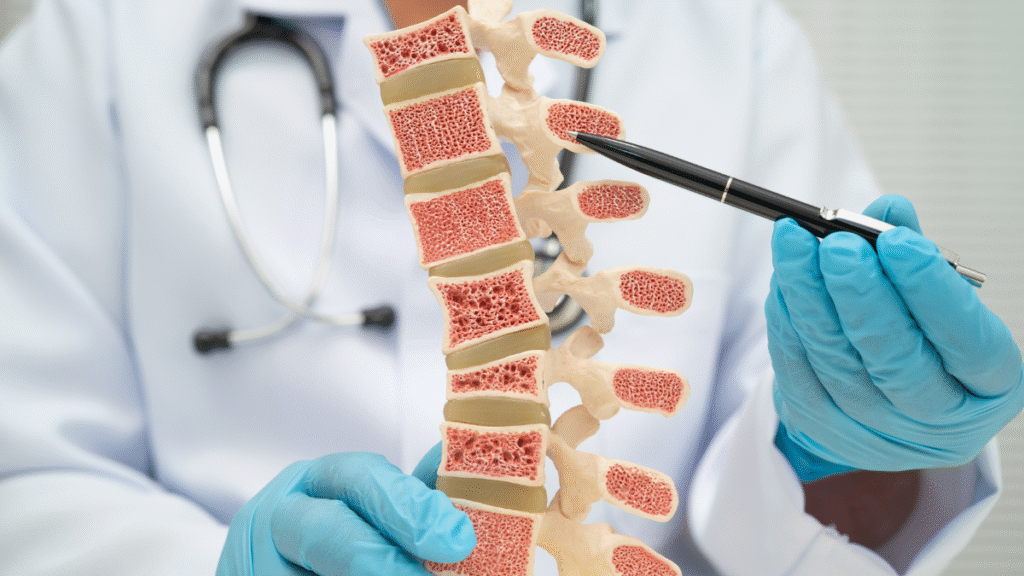
Bone is living tissue that is constantly being broken down and rebuilt in a process called bone remodeling. During childhood and adolescence, bone formation outpaces bone loss, reaching peak bone mass around age 30. After that, maintaining bone density becomes the goal.
Osteoporosis occurs when bone loss outpaces formation, leaving bones thin and fragile. It affects an estimated 200 million women worldwide. Osteopenia, the stage before osteoporosis, is even more widespread. The higher the peak bone mass you build in youth and early adulthood, the lower your lifetime risk of fractures. But it is never too late to support your bones.
Calcium: The Foundation of Bone
Calcium is the most abundant mineral in bone and essential for bone strength. The recommended daily intake for adult women under 50 is 1,000 mg per day, rising to 1,200 mg after 50. Food sources are preferable to supplements for most people.
Excellent calcium sources include dairy products like milk, yogurt, and cheese; fortified plant milks; leafy greens such as kale and bok choy (note that spinach, while calcium-rich, contains oxalates that inhibit absorption); tofu made with calcium sulfate; almonds; and canned fish with bones such as sardines and salmon. Spreading calcium intake across meals rather than consuming it all at once improves absorption.
Vitamin D: The Essential Partner
Without vitamin D, the body cannot properly absorb calcium from food regardless of how much you consume. Vitamin D also plays a direct role in bone formation. Yet vitamin D deficiency is remarkably common, particularly in women who live in low-sunlight regions, cover their skin, have darker skin tones, or spend most of their time indoors.
The primary source of vitamin D is sun exposure. Just 10 to 30 minutes of midday sun on bare skin several times per week is sufficient for many people, though this varies with latitude, season, and skin tone. Dietary sources include fatty fish, egg yolks, and fortified foods. Supplementation with vitamin D3 is often recommended for those who cannot meet needs through sun and diet alone.
Weight-Bearing and Resistance Exercise
Exercise is one of the most powerful natural tools for building and preserving bone density. Weight-bearing activities, those in which you support your own body weight against gravity, such as walking, jogging, hiking, dancing, and team sports, directly stimulate bone formation.
Resistance training, or strength training using weights or resistance bands, is equally important and particularly beneficial for maintaining bone density in postmenopausal women. Studies show that resistance training not only slows bone loss but can actually increase bone mineral density at specific sites like the hip and spine. Aim for at least two resistance training sessions per week alongside daily weight-bearing activity.
Magnesium and Vitamin K2
While calcium and vitamin D get most of the attention, two other nutrients are critical for bone health. Magnesium works alongside calcium in bone formation and is necessary for converting vitamin D into its active form. Approximately 60 percent of the body’s magnesium is stored in bone. Good sources include dark leafy greens, nuts, seeds, legumes, and whole grains.
Vitamin K2, found in fermented foods such as natto (fermented soybeans), aged cheeses, and produced by gut bacteria, plays a key role in directing calcium into bones and teeth rather than soft tissues and arteries. Increasing evidence suggests that adequate K2 is important for both bone health and cardiovascular health.
Foods and Habits That Harm Bone Health
Just as some habits build bones, others deplete them. Excessive alcohol consumption interferes with calcium absorption and bone formation. High sodium intake increases urinary calcium excretion, and the average modern diet contains far more sodium than recommended.
Smoking is one of the most significant modifiable risk factors for osteoporosis, as it reduces estrogen levels and impairs bone formation. Very high caffeine consumption has a modest negative effect on calcium absorption, though this can be offset by adequate calcium intake. Extremely low calorie diets, particularly those that eliminate dairy and other calcium sources, can significantly compromise bone density over time.
Protein: An Often-Overlooked Bone Nutrient
Protein makes up approximately one-third of bone mass, and adequate protein intake is essential for bone formation and repair. Contrary to an older belief that high protein diets leach calcium from bones, current evidence suggests that adequate protein, particularly combined with good calcium intake, supports bone health rather than harming it.
Women who eat too little protein, a common issue in those following restrictive diets, are at higher risk of bone loss. Aim for a protein source at each meal, including legumes, dairy, eggs, fish, poultry, or meat, while ensuring calcium intake is also sufficient.
Conclusion
Building and maintaining healthy bones is a lifelong project, and it is one that pays dividends far beyond fracture prevention. Strong bones support posture, mobility, and independence well into old age. By combining a nutrient-rich diet with weight-bearing exercise, adequate sunlight, and bone-supporting habits, you give your skeleton the best possible foundation for a long and active life.