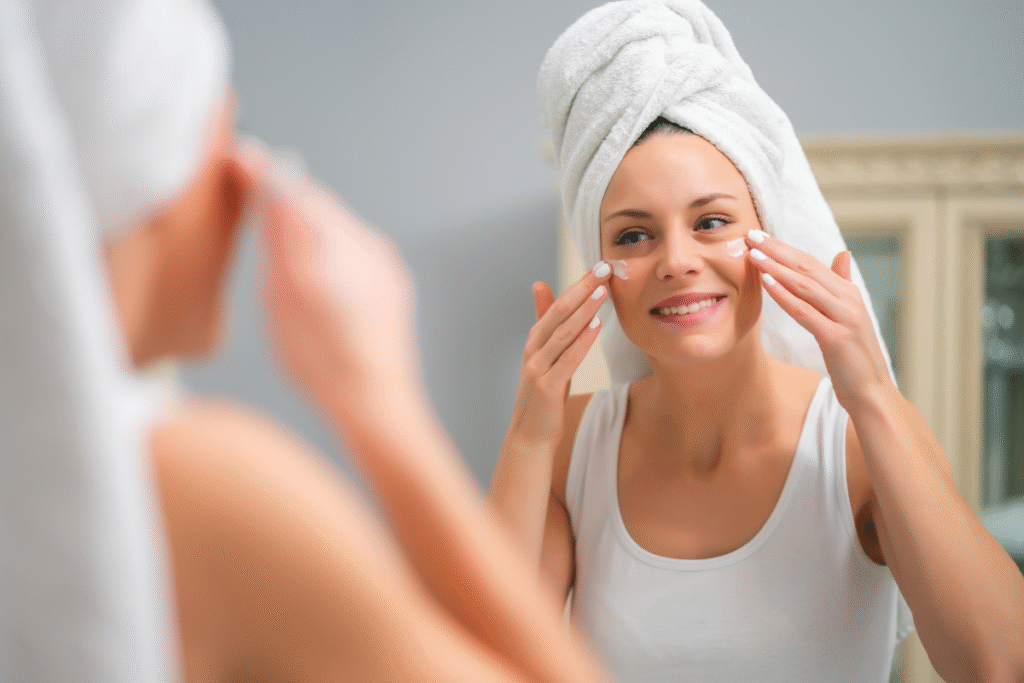
Skin cycling is one of the most talked-about skincare trends in recent years, gaining popularity for its simple, science-backed approach to healthier skin. Created by board-certified dermatologist Dr. Whitney Bowe, skin cycling is a structured nighttime routine that rotates between active ingredients and rest nights. So what is skin cycling, and why has it become a favorite among skincare enthusiasts and dermatologists alike? This guide breaks down everything you need to know about the method, its benefits, and how to do it correctly.
What Is Skin Cycling? A Simple Explanation
Skin cycling is a four-night nighttime skincare routine that alternates between exfoliation, retinoid use, and recovery. Instead of layering multiple actives every day, which often leads to irritation and a damaged skin barrier, skin cycling spaces them out to give the skin time to repair and absorb each ingredient effectively.
The four-night cycle typically follows this pattern: Night 1 is exfoliation, Night 2 is retinoid, and Nights 3 and 4 are recovery. After the fourth night, you start the cycle again. This intentional pacing reduces sensitivity, builds tolerance to powerful ingredients, and produces visible results without overwhelming the skin.
Why Skin Cycling Works
Many skincare routines fail because they overload the skin. Using exfoliants and retinoids together every night can disrupt the skin barrier, causing redness, dryness, and breakouts. Skin cycling solves this problem by giving the skin recovery time, which is when actual healing and rejuvenation take place.
The method respects the skin’s natural rhythm. Just as muscles need rest after a workout, skin needs recovery between active treatments. By cycling ingredients, you allow your skin to benefit from each step without compromising its protective barrier.
How to Do Skin Cycling Step by Step
Night 1: Exfoliation Night
Start by cleansing your skin and patting it dry. Apply a chemical exfoliant containing alpha hydroxy acids (AHAs) like glycolic or lactic acid, or beta hydroxy acids (BHAs) like salicylic acid. Avoid physical scrubs, which can irritate the skin. Follow with a hydrating moisturizer to lock in moisture.
Night 2: Retinoid Night
Cleanse the face, then apply a pea-sized amount of retinoid. Retinoids boost collagen, improve texture, and reduce signs of aging. To minimize irritation, sandwich the retinoid between layers of moisturizer, especially for sensitive skin. Beginners can start with a low-strength formula and work their way up.
Nights 3 and 4: Recovery Nights
On recovery nights, skip actives entirely. Focus on hydration and barrier support. Use a gentle cleanser, then layer products with ingredients like ceramides, hyaluronic acid, niacinamide, and squalane. These nights repair the skin and prepare it for the next round of actives.
Benefits of Skin Cycling
1. Reduces Irritation
Skin cycling drastically reduces redness, peeling, and sensitivity by giving skin time to heal between treatments. This makes it ideal for people who have struggled with reactive skin from traditional routines.
2. Strengthens the Skin Barrier
Recovery nights play a key role in strengthening the skin barrier, which protects against environmental damage and locks in moisture. A healthy barrier results in calmer, more resilient skin.
3. Improves Skin Texture and Tone
Consistent exfoliation and retinoid use, paired with proper recovery, smooth skin texture, fade hyperpigmentation, and even out skin tone. Many people see noticeable improvements within four to six weeks of skin cycling.
4. Targets Multiple Concerns
Whether you struggle with dullness, fine lines, acne, or uneven texture, skin cycling addresses multiple skin concerns without overwhelming the skin. The structured rotation keeps results steady and sustainable.
5. Beginner-Friendly Approach
Skin cycling is especially helpful for beginners introducing actives like retinoids or exfoliants for the first time. The recovery nights help build tolerance and reduce the risk of irritation.
Who Should Try Skin Cycling?
Skin cycling works well for most skin types, including sensitive, oily, combination, and dry skin. It is particularly effective for those new to retinoids, anyone with a compromised skin barrier, or people who experience irritation from traditional skincare routines. Pregnant or breastfeeding individuals should consult a dermatologist before using retinoids.
Common Mistakes to Avoid
One common mistake is skipping recovery nights, which defeats the purpose of skin cycling. Another is layering too many products on a single night, which can cause irritation. Stick to the simple four-night structure and avoid introducing new actives mid-cycle. Always wear sunscreen during the day, especially when using retinoids and exfoliants, as both increase sun sensitivity.
Avoid using physical exfoliants alongside chemical exfoliants on the same night. Stick with one method to prevent over-exfoliation. Also, consistency matters. Skipping cycles or switching products often disrupts progress.
Customizing Your Skin Cycling Routine
Skin cycling is flexible and can be adjusted to fit your skin’s needs. If your skin is particularly sensitive, extend recovery nights to three or four before starting the next cycle. Conversely, if your skin tolerates actives well, you might shorten recovery to one night. Always listen to your skin and prioritize hydration over aggressive treatment.
Pair your skin cycling routine with a stable morning regimen of gentle cleanser, antioxidant serum like vitamin C, moisturizer, and sunscreen. This combination supports daytime protection while skin cycling does its work at night.
Final Thoughts
So what is skin cycling? It is a thoughtful, structured approach to skincare that prioritizes balance, recovery, and effectiveness. By alternating between exfoliation, retinoids, and recovery nights, you give your skin the time it needs to thrive. Whether you are new to actives or struggling with sensitivity, skin cycling offers a sustainable path to healthier, glowing skin. Stick with the routine for at least a few weeks, and your skin will reward you with visible, long-lasting results.