Introduction
Your period is not a problem to be solved. For decades, menstruation has been treated as an inconvenience, something to push through with painkillers and willpower. But what if working with your cycle instead of against it could actually improve your energy, mood, focus, and overall health?
The menstrual cycle is a powerful biological rhythm that affects everything from your metabolism to your mental clarity. When you understand how each phase works, you can plan your life around it, and the results can be transformative. This guide will walk you through each phase of your menstrual cycle and give you practical, evidence-based strategies to feel your best all month long.
Understanding Your Menstrual Cycle Phases
The average menstrual cycle is 28 days long, though anywhere between 21 and 35 days is considered normal. It is divided into four key phases, each driven by shifts in hormones like estrogen and progesterone.
The menstrual phase (Days 1 to 5) is when bleeding occurs. Estrogen and progesterone are at their lowest, which is why many women feel fatigued or crampy. The follicular phase (Days 6 to 13) sees estrogen begin to rise, leading to improved energy, creativity, and motivation. Ovulation (around Day 14) is the peak of estrogen. You may feel most confident, social, and energetic. The luteal phase (Days 15 to 28) is dominated by progesterone. Energy starts to dip toward the end, and PMS symptoms may appear.
Menstrual Phase: Rest and Restore
During menstruation, your body is doing hard work. Blood loss depletes iron, and low hormone levels can cause fatigue, brain fog, and mood swings. This is not the time to push yourself.
What to do: prioritize rest, warmth, and nourishment. Eat iron-rich foods like lentils, spinach, and lean red meat. Light movement such as walking or yoga is beneficial, but skip the high-intensity workouts. This is a natural time for introspection, so journaling, reflection, and slowing down can be deeply restorative. Try to reschedule demanding tasks if possible, and give yourself permission to do less.
Follicular Phase: Plan and Begin
As estrogen rises after your period ends, so does your energy, focus, and enthusiasm. This is one of the best times in your cycle for starting new projects, brainstorming ideas, and tackling challenges you have been putting off.
Your brain is particularly receptive to learning during this phase. Take advantage by scheduling important meetings, creative work, or anything that requires sharp thinking. Diet-wise, lean toward lighter foods, fresh vegetables, and fermented foods that support hormone metabolism. Exercise can be ramped up here. This is a great time for cardio, strength training, and trying something new physically.
Ovulation: Communicate and Connect
Around Day 14, you are at peak fertility, and your hormones reflect it. Estrogen is at its highest, testosterone briefly spikes, and you may feel more attractive, articulate, and socially confident. This is your most outward-facing phase.
Use this window for public speaking, difficult conversations, job interviews, or social events. You are more persuasive and empathetic than at other points in your cycle. Your libido may also be higher. Physically, this is when your pain tolerance is highest, making it ideal for intense training sessions. Fuel your body with antioxidant-rich foods to support egg health and reduce inflammation.
Luteal Phase: Focus and Wind Down
The luteal phase is often misunderstood. Yes, PMS can be challenging, but the first half of this phase (Days 15 to 21) is actually excellent for detail-oriented work, finishing tasks, and editing projects. Progesterone promotes calm focus.
In the second half (Days 22 to 28), estrogen and progesterone both drop, and symptoms like bloating, irritability, and fatigue may appear. This is your body asking for slowdown. Support it with magnesium-rich foods like dark chocolate and leafy greens, which can ease cramping and mood swings. Reduce caffeine and alcohol. Keep workouts moderate, such as Pilates, swimming, or walks. Practice stress management tools like meditation or breathing exercises.
Cycle Syncing: A Practical Approach
Cycle syncing is the practice of aligning your diet, exercise, work schedule, and social commitments with your menstrual phases. While more research is still emerging, many women report significant improvements in mood, productivity, and energy when they adopt this approach.
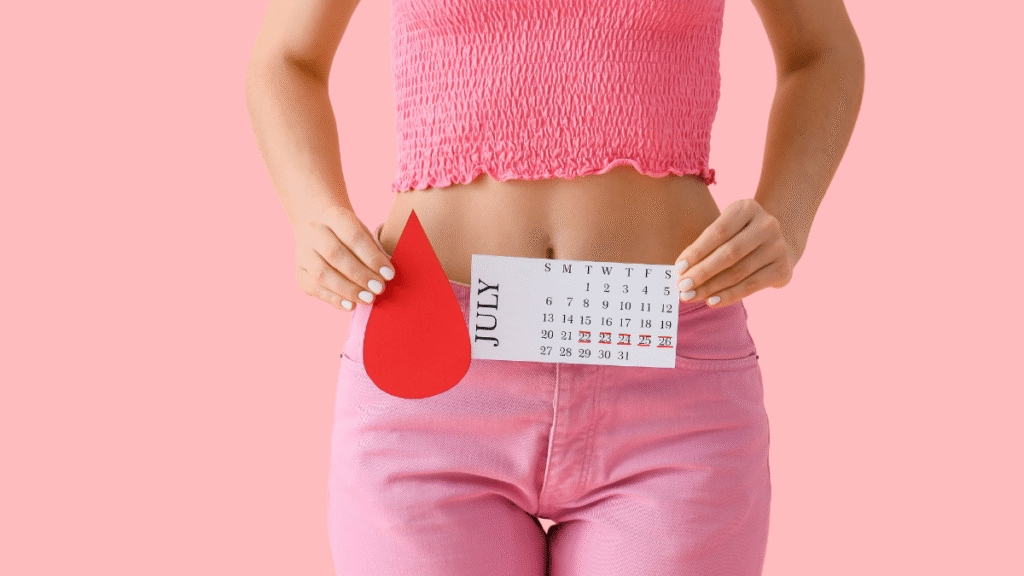
Start simple. Track your cycle using an app or a journal. Note your energy levels, moods, and symptoms each day for at least two to three months. Patterns will emerge. Then begin making small adjustments, such as scheduling your most demanding tasks in the follicular and ovulation phases, and protecting your luteal and menstrual phases for rest and reflection.
When to Seek Medical Advice
While working with your cycle can ease many common symptoms, severe pain, very heavy bleeding, or cycle irregularities that disrupt daily life are worth discussing with a healthcare provider. Conditions like endometriosis, PCOS, and fibroids can cause intense symptoms that lifestyle changes alone cannot resolve.
Tracking your cycle diligently gives you valuable data to share with your doctor, making it easier to identify patterns and get an accurate diagnosis.
Conclusion
Your menstrual cycle is not a liability. It is a built-in guide to your body’s natural rhythms. By learning to work with each phase rather than against it, you can unlock more energy, better moods, greater productivity, and a deeper connection with yourself. Start tracking, start listening, and start thriving every day of the month.