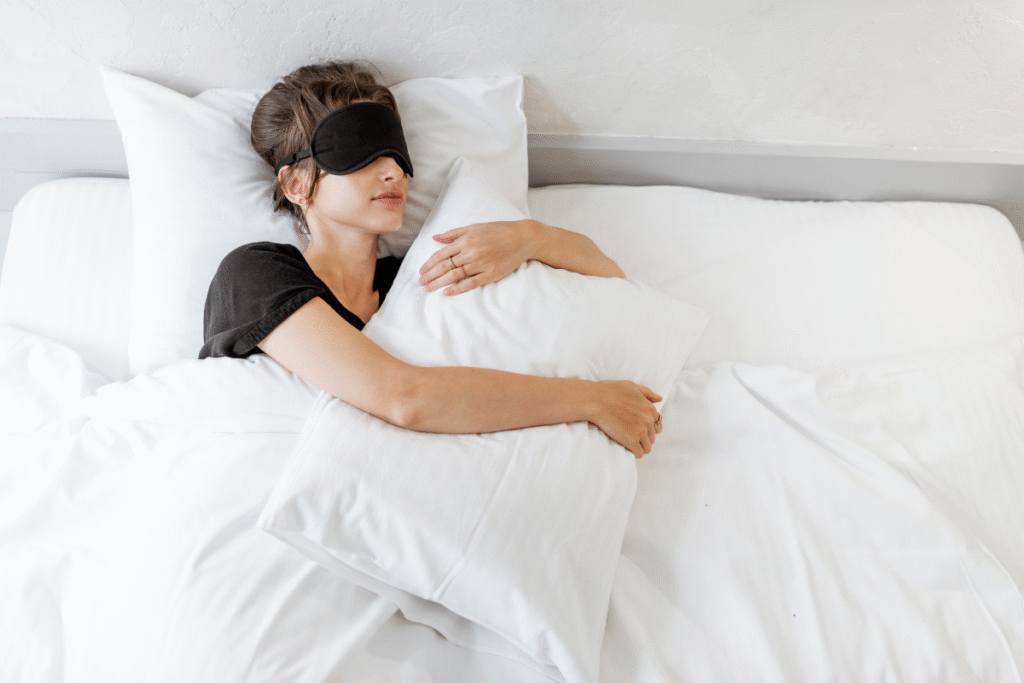
Waking up in the middle of the night and struggling to fall back asleep is a common and frustrating experience. Whether it happens occasionally or several times a week, these night-time wake-ups disrupt sleep quality and leave you feeling tired the next day. The good news is that with the right strategies, you can train your body and mind to drift back to sleep more easily. These 10 tips to fall back asleep after waking up at night will help you reclaim restful, uninterrupted sleep and wake up feeling refreshed.
Why You Wake Up at Night
Waking up briefly during the night is normal. Most people wake several times without remembering it. However, prolonged wakefulness can be triggered by stress, anxiety, hormonal changes, alcohol or caffeine, environmental noise, an inconsistent sleep schedule, or underlying health conditions like sleep apnea. Identifying patterns helps you choose the right tips to fall back asleep and address the root cause.
10 Tips to Fall Back Asleep After Waking Up at Night
1. Avoid Looking at the Clock
Checking the time when you wake up at night creates anxiety and reinforces the habit of waking. Knowing exactly how many hours you have left until morning often leads to stress, which makes it even harder to drift off. Turn your clock away or cover any visible numbers in your room.
2. Stay in Bed and Relax
Resist the urge to get up immediately. If you have been awake for less than 20 minutes, stay in bed and focus on relaxation. Often, your body needs only a brief mental and physical reset to ease back into sleep.
3. Practice Deep Breathing
Deep breathing activates the parasympathetic nervous system, which signals your body to relax. Try the 4-7-8 method: inhale for four seconds, hold for seven, and exhale for eight. Repeat several times. This is one of the most effective tips to fall back asleep because it slows your heart rate and calms racing thoughts.
4. Use Progressive Muscle Relaxation
Starting from your toes and working up to your head, tense each muscle group for five seconds, then release. This technique helps the body release built-up tension and prepares it for sleep. It is particularly helpful if anxiety or stress keeps you awake.
5. Avoid Screens
If you cannot fall back asleep, do not reach for your phone, tablet, or television. The blue light from screens suppresses melatonin and tricks your brain into thinking it is daytime. Even a few minutes of screen time can delay sleep significantly.
6. Get Out of Bed if Needed
If you have been lying awake for more than 20 to 30 minutes, get out of bed and do something quiet and calming, like reading a book under dim lighting. Avoid eating, working, or anything stimulating. Return to bed only when you feel sleepy. This trains your brain to associate the bed with sleep, not wakefulness.
7. Keep Your Bedroom Cool, Dark, and Quiet
A sleep-friendly environment is essential. The ideal temperature is between 60 and 67 degrees Fahrenheit. Use blackout curtains to block light and consider white noise or earplugs to mask disruptive sounds. A peaceful environment makes it easier to fall back asleep when you wake up at night.
8. Try a Calming Mental Exercise
Visualization, body scans, or mental counting can quiet a busy mind. Imagine a peaceful place in detail or count slowly backward from 100. These distractions break the cycle of overthinking, which is one of the biggest reasons people stay awake at night.
9. Avoid Caffeine, Alcohol, and Heavy Meals Before Bed
What you consume during the day affects how easily you stay asleep. Caffeine can linger in your system for up to eight hours, while alcohol disrupts sleep cycles and increases nighttime awakenings. Heavy or spicy meals close to bedtime can also cause discomfort and disrupt sleep. Adjusting these habits supports better, more continuous rest.
10. Stick to a Consistent Sleep Schedule
Going to bed and waking up at the same time every day, including weekends, regulates your circadian rhythm. A consistent schedule trains your body to fall asleep faster and stay asleep longer. This is one of the most powerful long-term tips to fall back asleep and improve overall sleep quality.
Lifestyle Changes That Support Better Sleep
Beyond in-the-moment strategies, certain lifestyle habits dramatically improve sleep. Regular exercise, ideally earlier in the day, helps you fall asleep faster and stay asleep longer. Spend time outdoors during daylight hours to support your natural sleep cycle. Manage stress through meditation, journaling, or therapy. Limit caffeine after noon and avoid alcohol several hours before bed.
Creating a relaxing bedtime routine signals your brain that it is time to wind down. Reading, gentle stretching, or sipping caffeine-free herbal tea like chamomile can prepare you for restful sleep.
Common Causes of Waking Up at Night
Several factors contribute to mid-night awakenings. Stress and anxiety are leading causes, especially when worry keeps the mind active. Hormonal shifts, particularly during menopause or pregnancy, often disrupt sleep. Medical conditions like sleep apnea, restless leg syndrome, or acid reflux can wake you repeatedly. Even an uncomfortable mattress or noisy environment can be the culprit. Identifying triggers helps you choose the most effective tips to fall back asleep for your specific situation.
When to Seek Professional Help
If you regularly wake up at night and struggle to fall back asleep for weeks or months, consult a sleep specialist or healthcare provider. Persistent sleep disturbances may signal insomnia or another sleep disorder that requires professional evaluation. Cognitive behavioral therapy for insomnia (CBT-I) is a highly effective treatment, often more sustainable than sleep medications.
Final Thoughts
Waking up at night does not have to leave you exhausted and frustrated. By using these 10 tips to fall back asleep, you can train your body to return to rest more easily and protect your overall sleep quality. Small, consistent changes in your environment, mindset, and bedtime routine create lasting improvements. With patience and the right strategies, restful, uninterrupted sleep becomes ac