Vitamin B12 is a water-soluble vitamin that your body needs to make red blood cells, DNA, and the protective coating around nerves. Adults need 2.4 micrograms daily, and because B12 occurs naturally only in animal foods like dairy, eggs, meat, and fish, vegetarians are at particularly high risk of deficiency. Indian studies repeatedly find low B12 in roughly half of the population tested.
Why Is Vitamin B12 Deficiency So Common in India?
The biggest reason is dietary: a largely vegetarian population relying on plants, which contain no usable B12. Milk, dahi, and paneer help, but their B12 content is modest compared to eggs, fish, and meat.
Absorption problems compound it. Stomach acid is required to free B12 from food, and common medicines, notably metformin for diabetes and acidity medicines like omeprazole and pantoprazole, deplete B12 over years of use.
What Are the Symptoms of Low B12?
B12 deficiency develops slowly, and its early signs are routinely mistaken for stress, anaemia, or menopause. In my practice, unexplained fatigue in a vegetarian woman over 40 earns a B12 test before anything else.
- Persistent tiredness and breathlessness on mild exertion
- Tingling or numbness in the hands and feet
- A sore, smooth, or burning tongue and mouth ulcers
- Brain fog, low mood, poor memory, and irritability
- Pale or mildly yellow-tinged skin
Left untreated for years, deficiency can cause irreversible nerve damage, which is why the tingling stage should never be ignored.
How Much B12 Do You Need and Where Do You Get It?
The NIH Office of Dietary Supplements sets the adult RDA at 2.4 mcg per day, rising slightly in pregnancy and lactation.
| Food | Approximate B12 per serving |
|---|---|
| Fish (rohu, salmon, sardines), 100 g | 2 to 9 mcg |
| Eggs, 2 whole | 1.1 mcg |
| Milk, 1 cup (250 ml) | 1.2 mcg |
| Dahi or curd, 1 cup | 1.0 mcg |
| Paneer, 100 g | 0.8 mcg |
| Fortified breakfast cereal or nutritional yeast | Varies; check the label for 1 to 6 mcg |
A vegetarian woman drinking one glass of milk and one bowl of dahi daily reaches barely 2 mcg, which explains why so many test low despite eating “well”.
Should You Take a B12 Supplement?
For strict vegetarians and vegans, supplementation is the reliable route; cyanocobalamin or methylcobalamin tablets of 500 to 1,000 mcg a few times weekly are inexpensive and well absorbed. Adults over 50 often absorb food-bound B12 poorly, so guidelines recommend fortified foods or supplements for this age group regardless of diet.
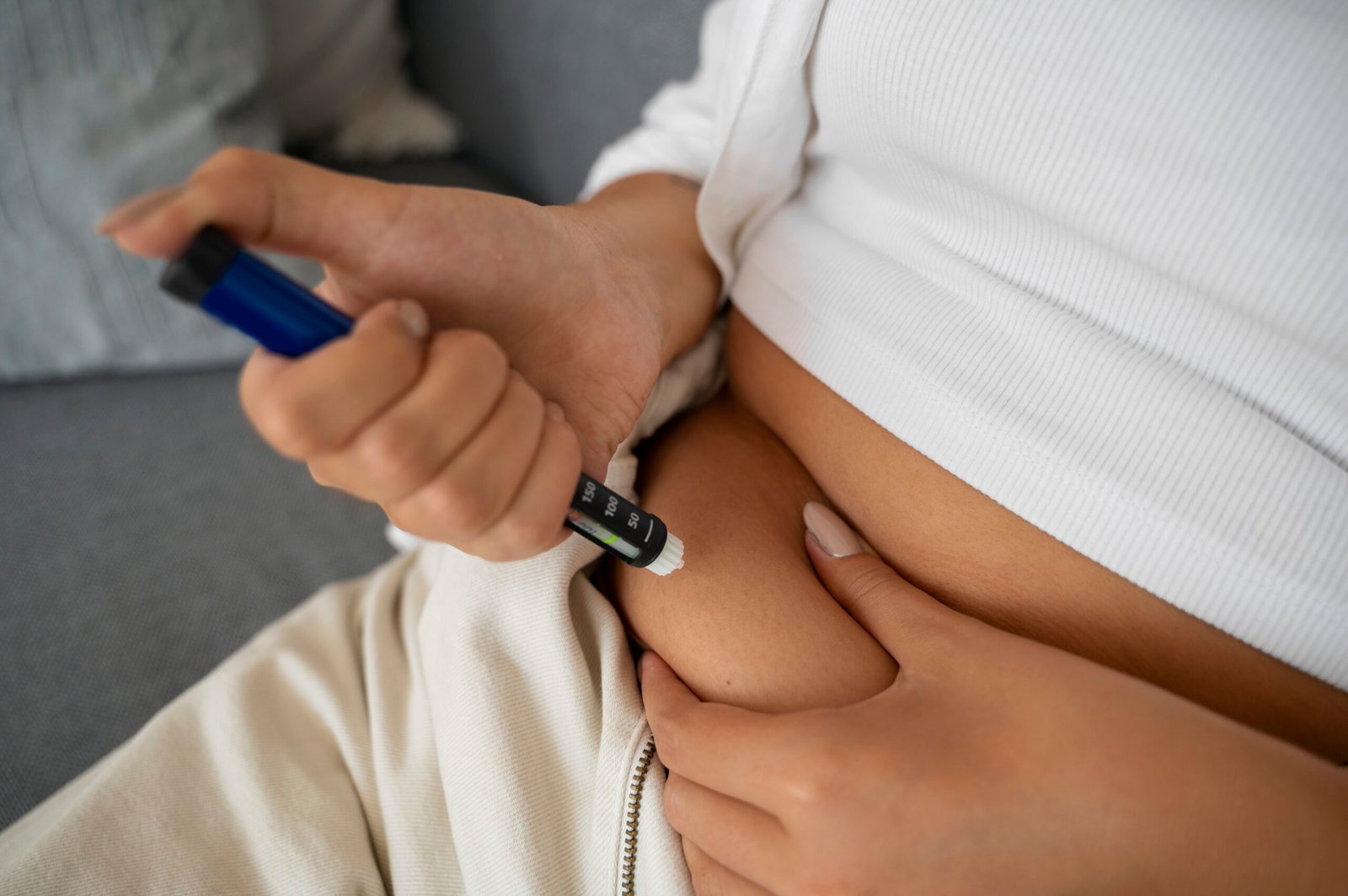
If you take metformin or long-term antacids, ask your doctor for an annual B12 check. Severe deficiency with nerve symptoms is treated with injections first, then maintenance tablets.
Frequently Asked Questions
What B12 level is considered deficient?
Most Indian labs flag serum B12 below 200 pg/mL as deficient, with 200 to 300 pg/mL a borderline zone where symptoms plus a raised homocysteine or MMA level confirm the diagnosis. Interpret results with your doctor rather than the lab range alone.
Can B12 deficiency cause weight gain or hair loss?
It is not a direct cause of weight gain, but the fatigue it produces cuts daily movement, which quietly adds weight. Hair thinning and premature greying are reported in deficiency and often improve after correction.
Is too much B12 harmful?
B12 has no established upper limit; excess is excreted in urine. High-dose tablets are considered safe, though very high blood levels without supplementation warrant a medical review of the cause.
How long does it take to recover from deficiency?
Energy and blood counts usually improve within 6 to 8 weeks of treatment. Nerve symptoms recover more slowly, over 3 to 12 months, and long-standing nerve damage may be only partially reversible, which is why early testing matters.
About the Author
Nidhi Kakar is a nutritionist and the founder of Art of Wellness. She specialises in women’s health through the midlife years, from the mid-30s to the mid-60s, and has guided hundreds of women through perimenopause, menopause, and post-menopause with personalised nutrition and lifestyle plans.
This article is for educational purposes and does not replace personalised medical advice. Get your B12 tested before starting high-dose supplements.