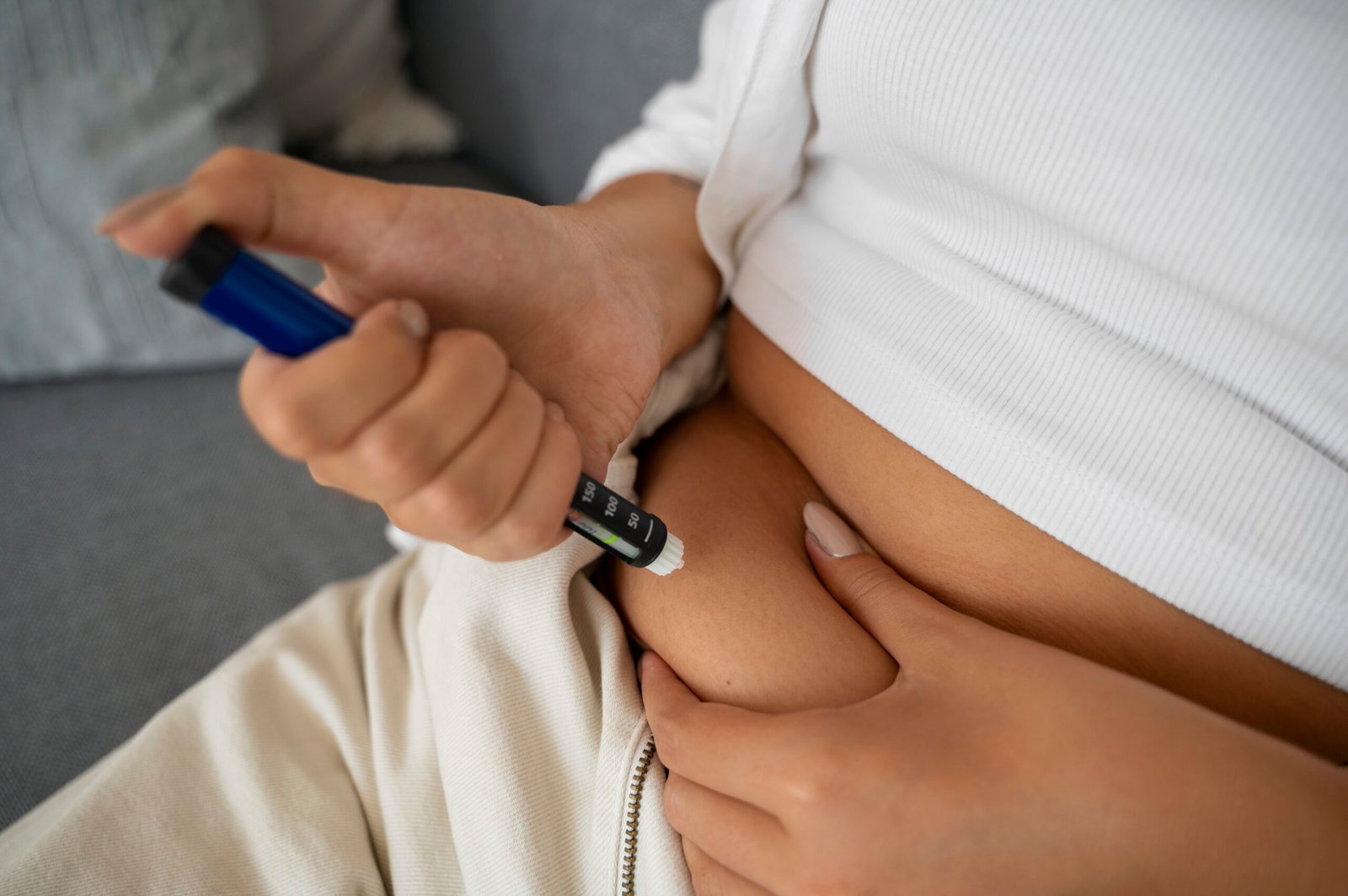
GLP-1 medications are the most effective weight loss drugs ever brought to market, and the question worth asking is no longer whether they work but what you lose along with the fat. For women in midlife – already losing muscle and bone each year – that question is not academic. Used without a nutrition and training plan alongside, these drugs can leave you lighter and measurably weaker.
How Do They Work?
GLP-1 is a hormone your gut releases after eating. It prompts insulin release, slows how fast the stomach empties, and acts on appetite centres in the brain. The medications mimic it at far higher and steadier levels than the body produces, and some newer agents act on a second hormone, GIP, as well.
The practical effect is that you feel full sooner, stay full longer, and lose the constant background preoccupation with food that many women describe as the hardest part of dieting. That last effect – quietening the food noise – is what patients consistently report as most valuable.
How Much Weight Do People Lose?
In trials, average loss ranges from roughly 15 per cent of body weight with the GLP-1 agents to around 20 per cent with dual-action agents over a year or more – substantially more than any previous drug. Results vary widely, and these figures come from trials that included structured lifestyle support.
The Muscle Problem
This is the part that gets least attention and matters most for the women I work with. A meaningful proportion of the weight lost on these drugs is lean mass rather than fat – estimates commonly fall between a quarter and 40 per cent. That is similar to rapid weight loss by any means, but the total loss is larger, so the absolute muscle loss is greater.
For a woman in her fifties, that lands on top of the muscle and bone she is already losing to age and falling oestrogen. Losing muscle lowers metabolic rate, weakens joint support and increases frailty risk. It also makes regain more likely, because less muscle burns less at rest.
What Should You Eat on These Medications?
Appetite falls sharply, so every mouthful has to count. This is where nutrition support genuinely changes the outcome rather than simply accompanying it.
- Protein first, at every meal. Aim for 1.2 to 1.6 grams per kilogram of body weight daily, spread across meals rather than loaded into one. Eat the protein portion before the carbohydrate, because you may become full before finishing.
- Do not let total intake collapse. Very low intakes accelerate muscle and bone loss. If you cannot manage solid meals, use a protein-rich shake, curd or paneer rather than skipping.
- Calcium and vitamin D deliberately. Bone loss accelerates with rapid weight loss. Check vitamin D and correct it.
- Fibre and fluid for constipation, which is one of the most common complaints. Increase gradually to avoid worsening nausea.
- Smaller, more frequent meals while side effects settle, and avoid very fatty or very large meals which sit heavily when gastric emptying is slowed.
- Watch micronutrients. Iron, B12 and folate intake fall when total food intake falls. Periodic bloods are sensible.
Resistance Training Is Not Optional
If you take one recommendation from this article, take this one. Resistance training two to three times a week is the only reliable way to protect lean mass during rapid weight loss. Walking and cardio are valuable for the heart but do not preserve muscle. Progressively loaded compound movements – squats, presses, rows, hip hinges – matter more than machines. Combined with enough protein, this is the difference between emerging strong and emerging frail.
What Are the Side Effects?
| Common | Less common but important |
|---|---|
| Nausea, especially after dose increases | Gallstones, particularly with rapid loss |
| Constipation or diarrhoea | Pancreatitis – rare |
| Reflux and burping | Significant muscle and bone loss |
| Reduced appetite to the point of undereating | Interaction with the absorption of other medications |
| Fatigue in early weeks | Not suitable in pregnancy or when planning it |
What Happens When You Stop?
Most of the weight returns. Trial data show a large majority is regained within a year of stopping, with cardiometabolic markers drifting back too. This is not a failure of willpower – the medication manages an appetite regulation problem rather than curing it. Treat it as ongoing treatment, like blood pressure medication, or plan carefully for afterwards. The muscle you built while on it is the main thing still working for you a year later.
Who Are They Not For?
- Anyone pregnant, breastfeeding or actively trying to conceive
- A personal or family history of medullary thyroid cancer or MEN2
- A history of pancreatitis
- Active or previous eating disorders, where appetite suppression can be harmful
- People looking to lose a few kilograms for an event rather than treat a genuine metabolic problem
These are prescription medicines requiring medical assessment and monitoring. Sourcing them without a prescription, from compounding suppliers or online, carries real risk of incorrect dosing and contaminated product.
Frequently Asked Questions
Are these drugs a shortcut that avoids lifestyle change?
The opposite. They make lifestyle change possible for people whose appetite regulation has been working against them, but the outcome still depends on protein, training and habits.
Will I lose my face and look older?
Facial volume loss follows any large weight loss. Slower loss, adequate protein and resistance training reduce how pronounced it looks.
Can I take them alongside HRT?
Generally yes, but slowed gastric emptying can affect absorption of oral medications. Tell the prescriber everything you take, including supplements.
Is there a natural way to raise GLP-1?
Protein, fibre and fermented foods all stimulate GLP-1 release modestly. The effect is real but far smaller than the medication – useful as a habit, not as a substitute.
About the Author
Nidhi Kakar is a nutritionist and the founder of Art of Wellness. She specialises in women’s health through the midlife years, from the mid-30s to the mid-60s, and has guided hundreds of women through perimenopause, menopause, and post-menopause with personalised nutrition and lifestyle plans.
This article is for educational purposes and does not replace personalised medical advice. Speak to your doctor about symptoms, tests and treatment that apply to you.