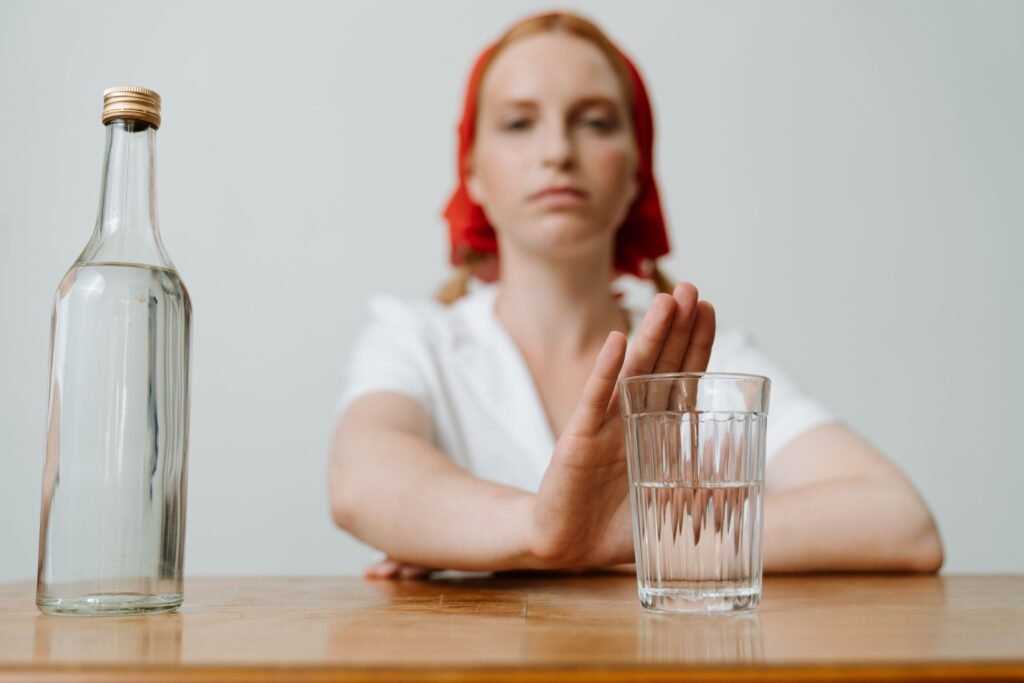
The same drink affects you differently at 50 than it did at 30, and not because of tolerance. Women have less body water and lower levels of the enzyme that breaks alcohol down in the stomach, so a given amount produces a higher blood alcohol concentration than in a man of the same weight. After 40 that gap widens further as body composition shifts and liver clearance slows.
Why Does Alcohol Hit Harder After 40?
- Less body water. Muscle holds water; fat does not. As lean mass declines, the same alcohol is diluted into a smaller volume.
- Slower clearance. Liver enzyme activity and blood flow both decline gradually with age.
- More medications. Sleep aids, antihistamines, blood pressure drugs and painkillers all interact with alcohol.
- Reduced sleep resilience. Sleep is already more fragile in midlife, and alcohol pushes it further.
- Falling oestrogen. Alcohol raises circulating oestrogen levels, which interacts with several midlife health considerations.
What Does It Do to Sleep?
This is the effect most women feel and least often connect. Alcohol is sedating, so it shortens the time taken to fall asleep – which is exactly why it gets used as a sleep aid. But as it is metabolised over the following hours it produces a rebound: suppressed REM sleep in the first half of the night, fragmented sleep in the second, and the characteristic 2 to 4 am waking with a racing heart.
If you are already waking at night with hot flushes, alcohol compounds the problem. It dilates blood vessels and raises core temperature, and in surveys it is one of the most frequently reported hot flush triggers.
What About the Longer-Term Risks?
| Area | What the evidence shows |
|---|---|
| Breast cancer | Risk rises with intake in a dose-dependent way, with no clearly safe threshold identified |
| Blood pressure | Regular intake raises it; reducing intake lowers it measurably within weeks |
| Bone density | Higher intake is associated with lower bone density and increased fracture risk |
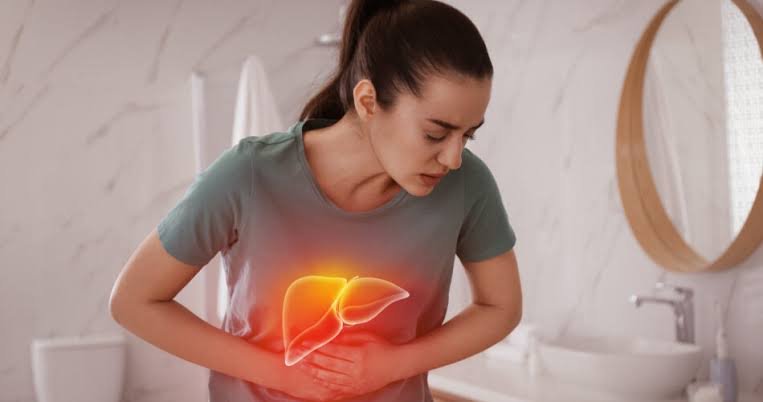
| Liver | Women develop alcohol-related liver damage at lower intakes and over shorter periods than men |
| Weight | Around 7 calories per gram, appetite-stimulating, and it pauses fat oxidation while being metabolised |
| Mood | A depressant; regular use worsens anxiety, particularly next-day anxiety |
The breast cancer association is the one women are least often told about and find most surprising. It is a real, dose-related relationship – which does not mean any drink is catastrophic, but it does mean less is genuinely better, and that is worth knowing rather than discovering later.
How Much Is Reasonable?
UK guidance is no more than 14 units a week for both men and women, spread over at least three days, with several drink-free days. Fourteen units is roughly six standard glasses of wine or six pints of ordinary-strength beer across a whole week.
Most people underestimate their intake substantially, because home pours are larger than pub measures and wine strength has crept up over the years. A generous 250 ml glass of 14 per cent wine is around 3.5 units on its own – two of those in an evening is half the weekly allowance.
Practical Ways to Cut Back Without Giving Up
- Set drink-free days first, not smaller drinks. Three or four consecutive alcohol-free days a week is easier to hold to than rationing every evening.
- Measure at home. Pour into a measured glass once and see what a unit actually looks like. Most people are shocked.
- Never drink to fall asleep. It is the single habit that does most damage to midlife sleep quality.
- Alternate with water, and eat before drinking rather than after.
- Break the cue, not the willpower. If the trigger is the moment you finish work, replace the ritual – a walk, a shower, a non-alcoholic drink in the same glass.
- Give it three weeks and judge. Sleep quality, morning anxiety, hot flush frequency and blood pressure all respond within that window, which makes the benefit concrete rather than theoretical.
When Should You Seek Help?
- Drinking daily, or needing a drink to relax or sleep
- Finding it hard to stop once you start, or drinking more than intended
- Shakiness, sweating or anxiety the morning after
- Others expressing concern, or hiding how much you drink
- Continuing despite a health problem that alcohol is worsening
If you drink heavily and daily, do not stop abruptly without medical advice – withdrawal can be genuinely dangerous and should be supervised.
Frequently Asked Questions
Is red wine good for the heart?
The older studies suggesting benefit were confounded by who chooses to drink moderately. Current evidence does not support drinking for cardiovascular benefit – the polyphenols are available from grapes, berries and tea without the alcohol.
Does alcohol cause menopausal weight gain?
It contributes. It is calorie-dense, lowers restraint around food, disrupts sleep, and temporarily halts fat burning while being processed.
Are alcohol-free drinks a good substitute?
For most people, yes – they preserve the ritual without the effects. Check the sugar content, which can be substantial.
How long until I notice a difference?
Sleep and morning anxiety typically improve within one to two weeks. Blood pressure and liver enzymes shift over four to twelve weeks.
About the Author
Nidhi Kakar is a nutritionist and the founder of Art of Wellness. She specialises in women’s health through the midlife years, from the mid-30s to the mid-60s, and has guided hundreds of women through perimenopause, menopause, and post-menopause with personalised nutrition and lifestyle plans.
This article is for educational purposes and does not replace personalised medical advice. Speak to your doctor about symptoms, tests and treatment that apply to you.