A very low-calorie diet (VLCD) is a medically supervised eating plan of 800 calories or fewer per day, usually delivered through nutritionally complete meal replacements. VLCDs are a legitimate clinical tool for specific situations, not a DIY weight loss shortcut. Used without supervision, the same calorie level that helps a surgical patient can harm a healthy dieter.
What Exactly Is a Very Low-Calorie Diet?
A true VLCD replaces normal food with formulated shakes, soups, and bars engineered to supply full protein, vitamins, and minerals inside a tiny calorie budget. The NIDDK is clear that these diets require medical monitoring.
That formulation detail is the whole difference. Eating 700 calories of ordinary food, the common DIY version, delivers a fraction of the protein and micronutrients and none of the safety.
When Do Doctors Actually Prescribe VLCDs?
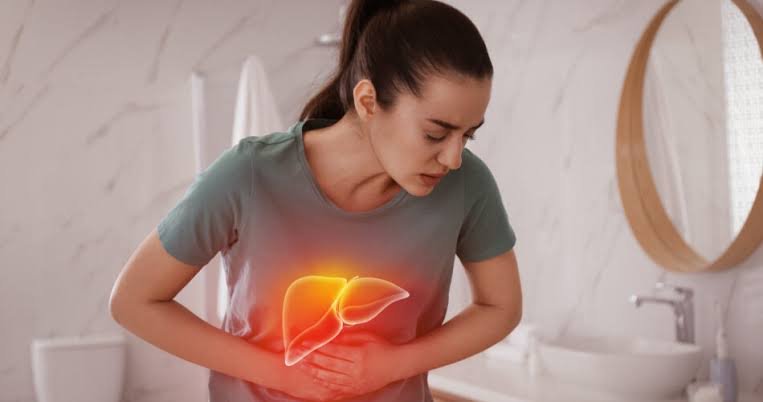
- Before surgery: shrinking the liver ahead of bariatric or gallbladder procedures
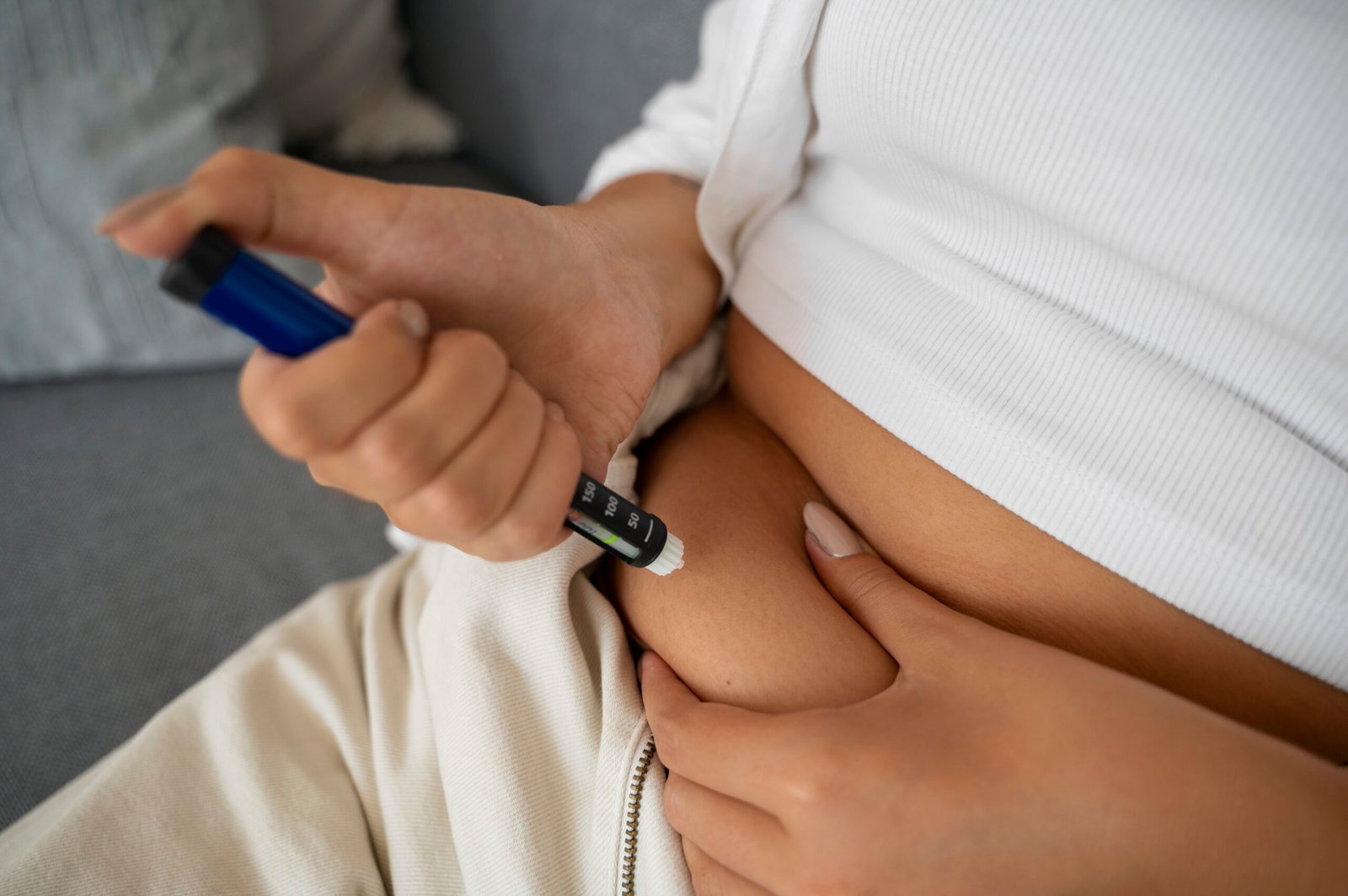
- Type 2 diabetes remission: in the landmark DiRECT trial published in The Lancet, an 825-calorie programme put 46% of participants into diabetes remission at one year
- Urgent medical need: when weight directly threatens a treatment, a joint replacement, or fertility care
- Severe obesity with complications: as a supervised kick-start where slower methods have repeatedly failed
What Are the Side Effects and Risks of a VLCD?
| Risk | Detail |
|---|---|
| Gallstones | The most common serious complication of very rapid loss |
| Muscle and bone loss | Significant without adequate protein and resistance exercise, and costly for midlife women |
| Fatigue, hair loss, cold intolerance | Common during and shortly after the programme |
| Electrolyte disturbance | The reason blood monitoring is mandatory, especially in the refeeding phase |
| Rebound regain | Without a structured food reintroduction and maintenance plan, most weight returns |
Who Should Never Attempt a VLCD?
VLCDs are unsuitable for pregnant or breastfeeding women, anyone with a history of eating disorders, people with normal or near-normal BMI, and generally anyone without physician oversight. They are also inappropriate as a first attempt at weight loss.
If you have 5 to 10 kg to lose, a moderate caloric deficit achieves the goal with none of these risks. The comparison with unsupervised crash dieting is covered in my article on whether rapid weight loss is safe.
What Does a Properly Run VLCD Programme Look Like?
- Screening: blood work, medication review, and a medical history before day one.
- Total diet replacement phase: 8 to 12 weeks of formulated products, never longer without review.
- Monitoring: scheduled check-ins for blood pressure, electrolytes, and medication doses, which often need rapid adjustment in diabetics.
- Stepped food reintroduction: 2 to 8 weeks of gradually returning to meals, the phase where unsupervised attempts collapse.
- Maintenance support: in DiRECT, ongoing support was a key reason remission held at two years for 36% of participants.
Frequently Asked Questions
How much weight do you lose on a VLCD?
Typically 1.5 to 2.5 kg per week, or roughly 15 to 20 kg over a 12-week supervised programme. The medically important part is not the speed but the structured maintenance that follows; without it, studies show most of the loss returns.
Is an 800-calorie diet safe if I just eat regular food?
No. Ordinary food at 800 calories cannot supply adequate protein, iron, calcium, and B12. Clinical VLCDs use fortified meal replacements precisely to solve this problem, alongside blood monitoring you cannot replicate at home.
Can a VLCD reverse type 2 diabetes?
It can induce remission in a substantial minority. In the DiRECT trial, 46% of patients achieved remission at one year, with the best odds in those diagnosed within the previous six years. This must be done with your doctor, as diabetes medications need urgent adjustment.
What is the difference between a VLCD and intermittent fasting?
Intermittent fasting compresses when you eat but usually keeps weekly calories moderate. A VLCD cuts daily calories to 800 or below continuously. They are different tools; fasting suits healthy adults, while VLCDs belong in medical care.
About the Author
Nidhi Kakar is a nutritionist and the founder of Art of Wellness. She specialises in women’s health through the midlife years, from the mid-30s to the mid-60s, and has guided hundreds of women through perimenopause, menopause, and post-menopause with personalised nutrition and lifestyle plans.
This article is for educational purposes and does not replace personalised medical advice. Never begin a very low-calorie diet without physician supervision.