Polycystic Ovary Syndrome (PCOS) is one of the most common hormonal disorders affecting women of reproductive age. While medications and lifestyle changes are often recommended, diet plays a powerful and sometimes underestimated role in managing PCOS symptoms. From regulating hormones to supporting weight loss and improving fertility, what you eat truly matters.
In this blog, we’ll explore pcos nutrition, understand why does PCOS happen, and break down the polycystic ovary syndrome diet, including foods to eat, foods to avoid, and practical remedies that can help manage PCOS effectively.
Understanding PCOS: Why Does PCOS Happen?
Why Does PCOS Happen?
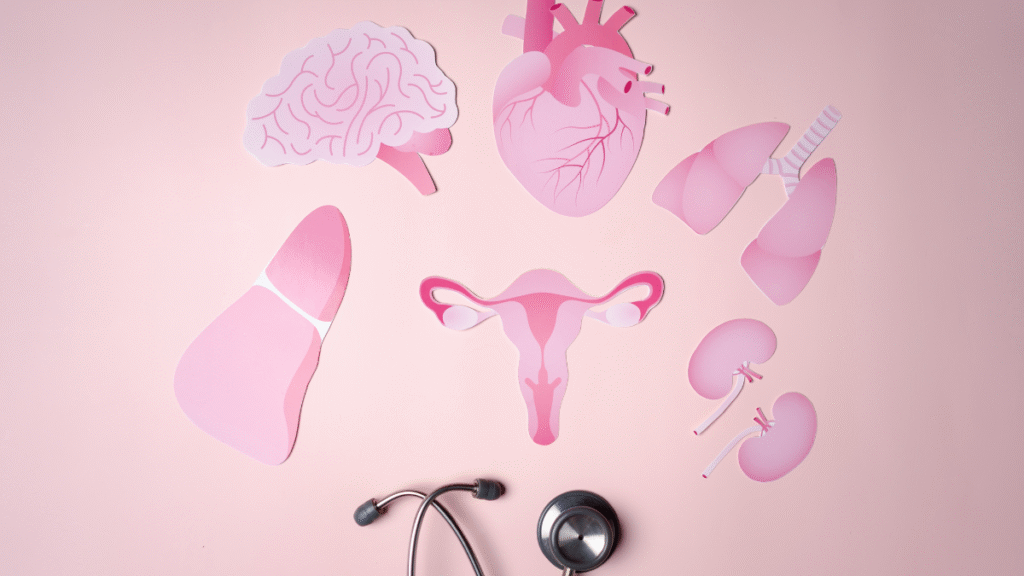
Before discussing diet, it’s important to understand why does PCOS happen. PCOS is a hormonal imbalance characterized by:
- Elevated androgen (male hormone) levels
- Irregular or absent ovulation
- Insulin resistance
- Multiple small cysts on the ovaries
The exact cause is unknown, but several factors contribute:
- Insulin resistance: High insulin levels increase androgen production
- Hormonal imbalance: Disrupted estrogen, progesterone, and testosterone
- Genetics: PCOS often runs in families
- Inflammation: Chronic low-grade inflammation worsens symptoms
This is where pcos nutrition becomes critical, as diet directly affects insulin levels, inflammation, and hormone balance.
Role of PCOS Nutrition in Hormonal Balance
PCOS Nutrition: Why Diet Is the Foundation of PCOS Management
A well-planned polycystic ovary syndrome diet can:
- Improve insulin sensitivity
- Reduce androgen levels
- Support ovulation
- Aid in weight loss
- Reduce inflammation
Unlike crash diets, pcos diet food focuses on long-term hormonal health rather than short-term weight changes.
Polycystic Ovary Syndrome Diet: What Should You Eat?
PCOS Diet Food for Hormonal Health
A balanced pcos diet food plan emphasizes:
- Low glycemic index (GI) carbohydrates
- Lean proteins
- Healthy fats
- Fiber-rich foods
This approach helps stabilize blood sugar and reduce insulin spikes.
Best Foods for PCOS Weight Loss
Best Foods for PCOS Weight Loss That Actually Work
Weight management is often challenging with PCOS due to insulin resistance. Including the best foods for PCOS weight loss can make a significant difference:
- Whole grains (quinoa, brown rice, oats)
- Lean proteins (eggs, fish, chicken, tofu)
- Healthy fats (avocado, nuts, seeds)
- High-fiber foods
These foods keep you full longer and prevent sugar cravings.
Vegetables for PCOS: Power Foods for Hormonal Balance
Vegetables for PCOS That Reduce Inflammation
Vegetables are essential pcos reducing food options because they are low in calories and rich in antioxidants.
Best vegetables for PCOS include:
- Spinach
- Broccoli
- Kale
- Bell peppers
- Zucchini
- Cauliflower
Cruciferous vegetables help detox excess estrogen and improve hormonal balance.
Fruits for PCOS: Choosing the Right Ones
Fruits for PCOS That Support Insulin Balance
Fruits are nutritious but should be chosen wisely. The best fruits for PCOS are low-GI and fiber-rich:
- Berries (blueberries, strawberries)
- Apples
- Pears
- Kiwi
- Pomegranate
These fruits support insulin control and reduce oxidative stress.
PCOS Reducing Food: What Helps Control Symptoms?
PCOS Reducing Food That Supports Recovery
Certain foods actively help reduce PCOS symptoms:
- Cinnamon (improves insulin sensitivity)
- Turmeric (anti-inflammatory)
- Flaxseeds (hormone regulation)
- Chia seeds
- Green leafy vegetables
Including these pcos reducing food items regularly can enhance the effectiveness of your overall diet plan.
Polycystic Ovary Syndrome Foods to Avoid
Polycystic Ovary Syndrome Foods to Avoid for Better Results
Dietary triggers can worsen insulin resistance and inflammation. Knowing polycystic ovary syndrome foods to avoid is crucial.
Key foods to avoid with PCOS include:
- Refined sugars
- White bread and pasta
- Fried and processed foods
- Sugary beverages
- Packaged snacks
These foods spike insulin levels and increase weight gain.
Foods to Avoid During PCOS for Hormonal Stability
Foods to Avoid During PCOS That Disrupt Hormones
In addition to sugar and refined carbs, foods to avoid during PCOS include:
- Excess dairy (especially flavored milk and ice cream)
- Red meat in excess
- Trans fats
- Artificial sweeteners
Limiting these can help reduce inflammation and androgen levels.
Best Morning Drink for PCOS
Best Morning Drink for PCOS to Kickstart Metabolism
Starting your day right can improve hormonal balance. The best morning drink for PCOS options include:
- Warm water with lemon
- Cinnamon water
- Spearmint tea
- Apple cider vinegar diluted in water
- Turmeric water
These drinks help improve digestion, insulin sensitivity, and inflammation control.
Polycystic Ovary Syndrome Diet Plan: Practical Tips
Polycystic Ovary Syndrome Diet Tips for Daily Life
To make your polycystic ovary syndrome diet sustainable:
- Eat small, frequent meals
- Combine carbs with protein
- Avoid skipping meals
- Stay hydrated
- Limit caffeine and alcohol
Consistency is more important than perfection.
Remedy for PCOD Problem Through Diet
Remedy for PCOD Problem Using Food as Medicine
While PCOS has no single cure, diet acts as a natural remedy for PCOD problem. Along with balanced nutrition:
- Maintain regular physical activity
- Manage stress through yoga or meditation
- Get adequate sleep
When combined with the right pcos nutrition, these habits significantly improve quality of life.
Sample PCOS Diet Food Plate
Ideal PCOS Diet Food Combination
A balanced meal should include:
- 50% vegetables for PCOS
- 25% lean protein
- 25% whole grains or complex carbs
- Healthy fats in moderation
This structure supports blood sugar balance and hormone regulation.
Final Thoughts: What You Eat Truly Matters
PCOS is a complex condition, but it is manageable with the right lifestyle choices. Understanding why does PCOS happen and focusing on pcos nutrition empowers women to take control of their health naturally.
By following a well-planned polycystic ovary syndrome diet, choosing the right pcos diet food, including best foods for PCOS weight loss, and avoiding harmful triggers, you can reduce symptoms, improve hormonal balance, and enhance overall well-being.
Remember, food is not just fuel—it’s information for your hormones. When you eat right, your body responds positively. 🌱
If you’re struggling with PCOS, start with small dietary changes today—because when it comes to PCOS, what you eat truly matters.
Frequently Asked Questions (FAQs) on PCOS Nutrition and Diet
1. What is the role of PCOS nutrition in managing symptoms?
PCOS nutrition plays a crucial role in balancing hormones, improving insulin sensitivity, and reducing inflammation. A well-planned polycystic ovary syndrome diet helps regulate menstrual cycles, support weight loss, and lower androgen levels. Choosing the right PCOS diet food can significantly reduce common symptoms like acne, hair growth, and irregular periods.
2. Why does PCOS happen and can diet help control it?
PCOS happens due to hormonal imbalance, insulin resistance, genetics, and chronic inflammation. While diet cannot cure PCOS, following proper PCOS nutrition can control insulin spikes, reduce inflammation, and improve hormone regulation, making it an effective long-term management strategy.
3. What are the best foods for PCOS weight loss?
The best foods for PCOS weight loss include lean proteins, low-GI carbohydrates, healthy fats, vegetables for PCOS, and fiber-rich foods. These foods improve insulin sensitivity and help prevent fat storage, which is common in women with PCOS.
4. Which foods should be avoided during PCOS?
Foods to avoid during PCOS include refined sugar, white bread, processed foods, fried items, sugary drinks, and trans fats. These foods worsen insulin resistance and hormonal imbalance, making PCOS symptoms more severe.
5. What are the top polycystic ovary syndrome foods to avoid?
Key polycystic ovary syndrome foods to avoid are pastries, fast food, packaged snacks, excessive dairy products, red meat in excess, and artificial sweeteners. Avoiding these foods supports better hormonal stability and weight management.
6. Which vegetables for PCOS are the most beneficial?
The best vegetables for PCOS include spinach, broccoli, kale, cauliflower, zucchini, and bell peppers. These vegetables are low in calories, high in fiber, and rich in antioxidants, making them effective PCOS reducing food options.
7. Are fruits good for PCOS and which fruits should be chosen?
Yes, fruits are beneficial when chosen wisely. The best fruits for PCOS are berries, apples, pears, kiwi, and pomegranate. These fruits have a low glycemic index and help regulate blood sugar levels without causing insulin spikes.
8. What is the best morning drink for PCOS?
The best morning drink for PCOS includes warm lemon water, cinnamon water, spearmint tea, or turmeric water. These drinks help improve digestion, reduce inflammation, and enhance insulin sensitivity when consumed regularly.
9. Can diet act as a natural remedy for PCOD problem?
Yes, diet can serve as a natural remedy for PCOD problem by controlling insulin resistance, reducing inflammation, and supporting hormonal balance. Combined with regular exercise, stress management, and good sleep, proper PCOS nutrition can significantly improve symptoms.
10. What is the ideal polycystic ovary syndrome diet for long-term health?
An ideal polycystic ovary syndrome diet includes balanced meals with vegetables for PCOS, lean proteins, whole grains, healthy fats, and PCOS reducing food options. Consistency, portion control, and avoiding trigger foods are key to long-term PCOS management.