
Fertility drops considerably after 40, but pregnancy is still possible until you’ve gone a full year without a period, which means contraception after 40 still matters even as the odds of...
Endometriosis affects roughly one in ten women of reproductive age, and most of them wait years for a diagnosis. Not because the condition is rare or mysterious, but because its symptoms get mistaken...
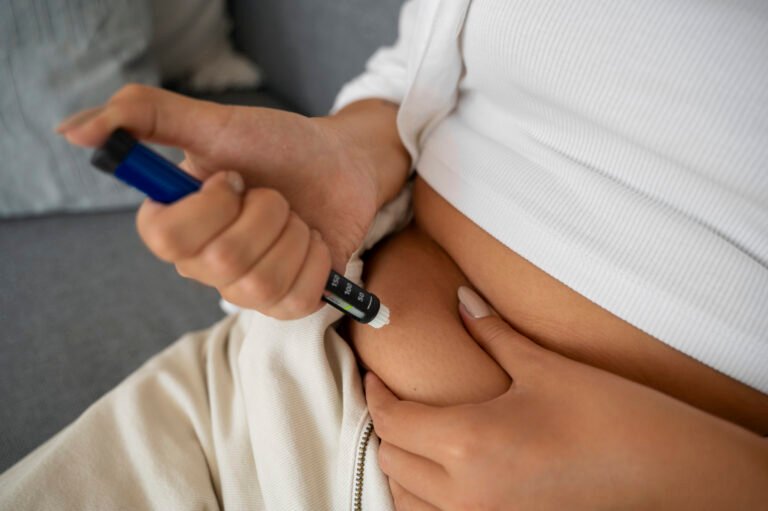
GLP-1 medications are the most effective weight loss drugs ever brought to market, and the question worth asking is no longer whether they work but what you lose along with the fat. For women in...

Migraine is roughly three times more common in women than men, and the reason is oestrogen – specifically, the drop in oestrogen rather than the level itself. That is why attacks cluster in the...
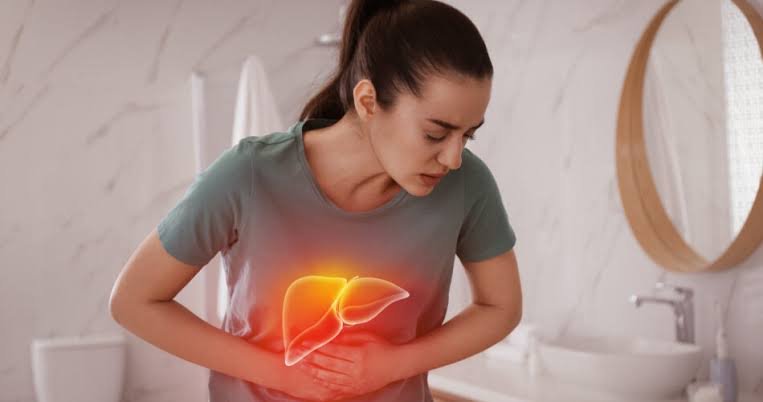
Fatty liver means fat has accumulated in liver cells to the point where it can be seen on a scan, and in India it is now one of the most common findings on a routine ultrasound. It usually causes no...

Heavy bleeding in your forties is common, but it is not something to simply endure – and its most damaging consequence is usually invisible. Years of heavy periods drain iron stores slowly...

A urinary tract infection counts as recurrent when you have had two or more in six months, or three or more in a year – and after menopause, the single most effective preventive treatment is...
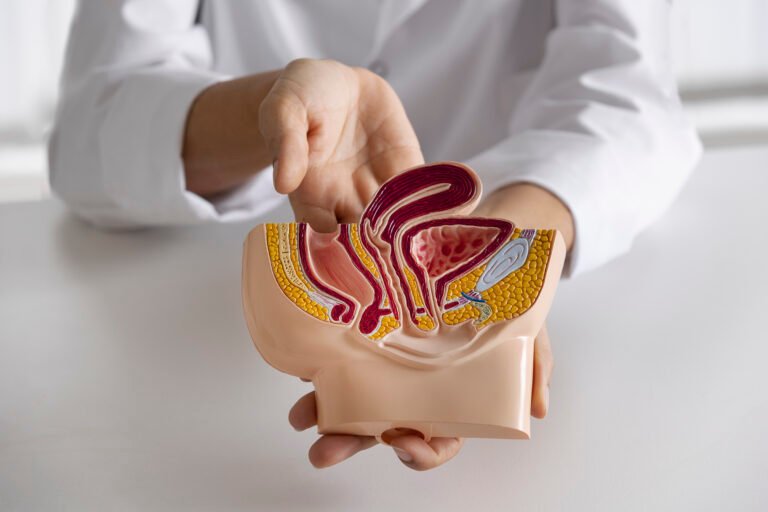
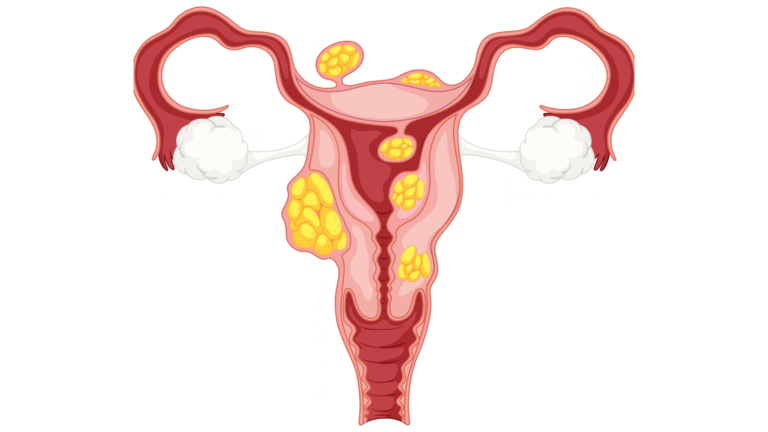
Uterine fibroids are non-cancerous growths of the muscular wall of the uterus, and by the age of 50 the majority of women have at least one. Most cause no symptoms at all and need no treatment. The...
Unlike hot flushes, vaginal dryness does not fade with time – it gets worse without treatment. That single fact is the most important thing to know about genitourinary syndrome of menopause, or...
Urinary incontinence is the involuntary leaking of urine, and while it becomes more common with age, it is never something you simply have to live with. Around one in three women over 40 experiences...

The same drink affects you differently at 50 than it did at 30, and not because of tolerance. Women have less body water and lower levels of the enzyme that breaks alcohol down in the stomach, so a...
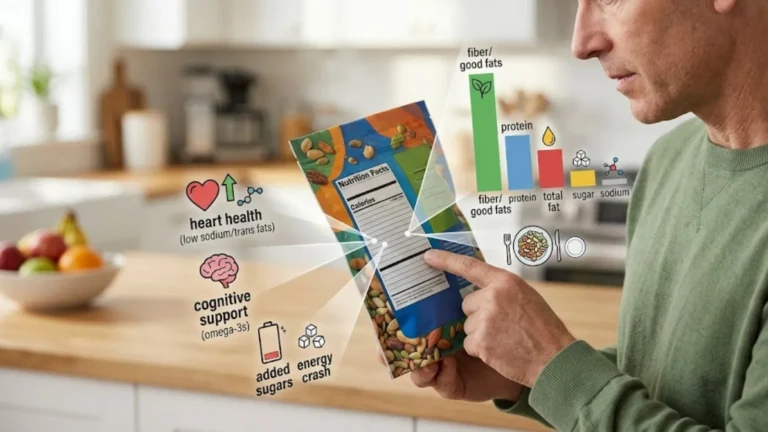
The front of a packet is marketing. The back is regulated. Almost every misleading impression a shopper forms comes from reading the first and not the second – and the gap between the two is...
Plant-based meats are a convenience, not a health food. A nutritionist explains what to check on the label, how they compare to meat, and how often to eat them...
Not all plant protein is equal. A nutritionist ranks the best sources, names the ones that overpromise, and shows how to hit your daily target on a vegetarian diet...
After 50 a diet has to protect muscle, bone and heart at once. A nutritionist explains the five that do it best and what to prioritise every day...
The best diet is the one you can still follow in two years. A nutritionist reviews nine evidence-backed plans, what they have in common, and how to pick yours...